Mercedes-Benz has spent 140 years building its reputation around the automobile. For its anniversary year, the company is putting one of its most important nameplates back at center stage.
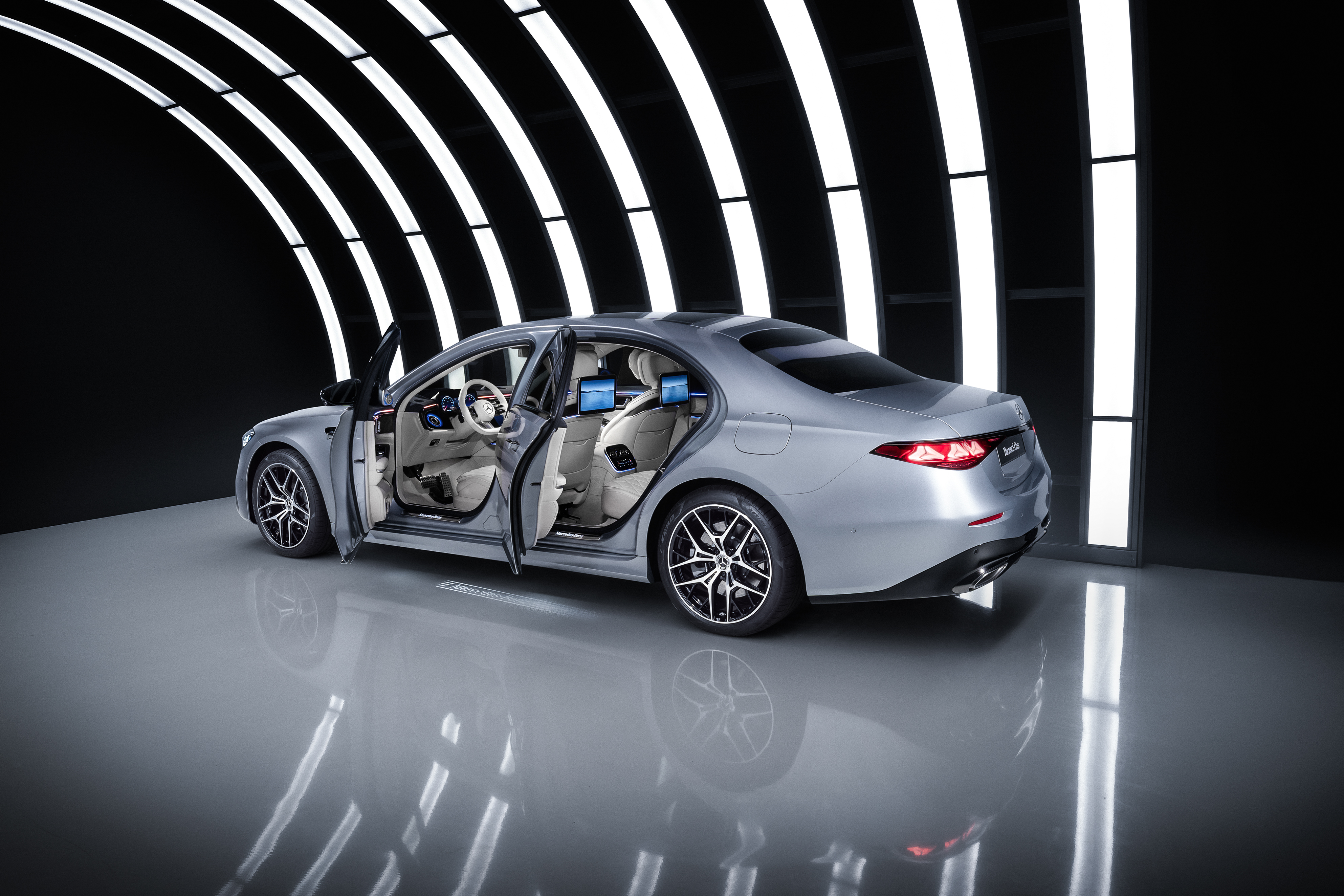
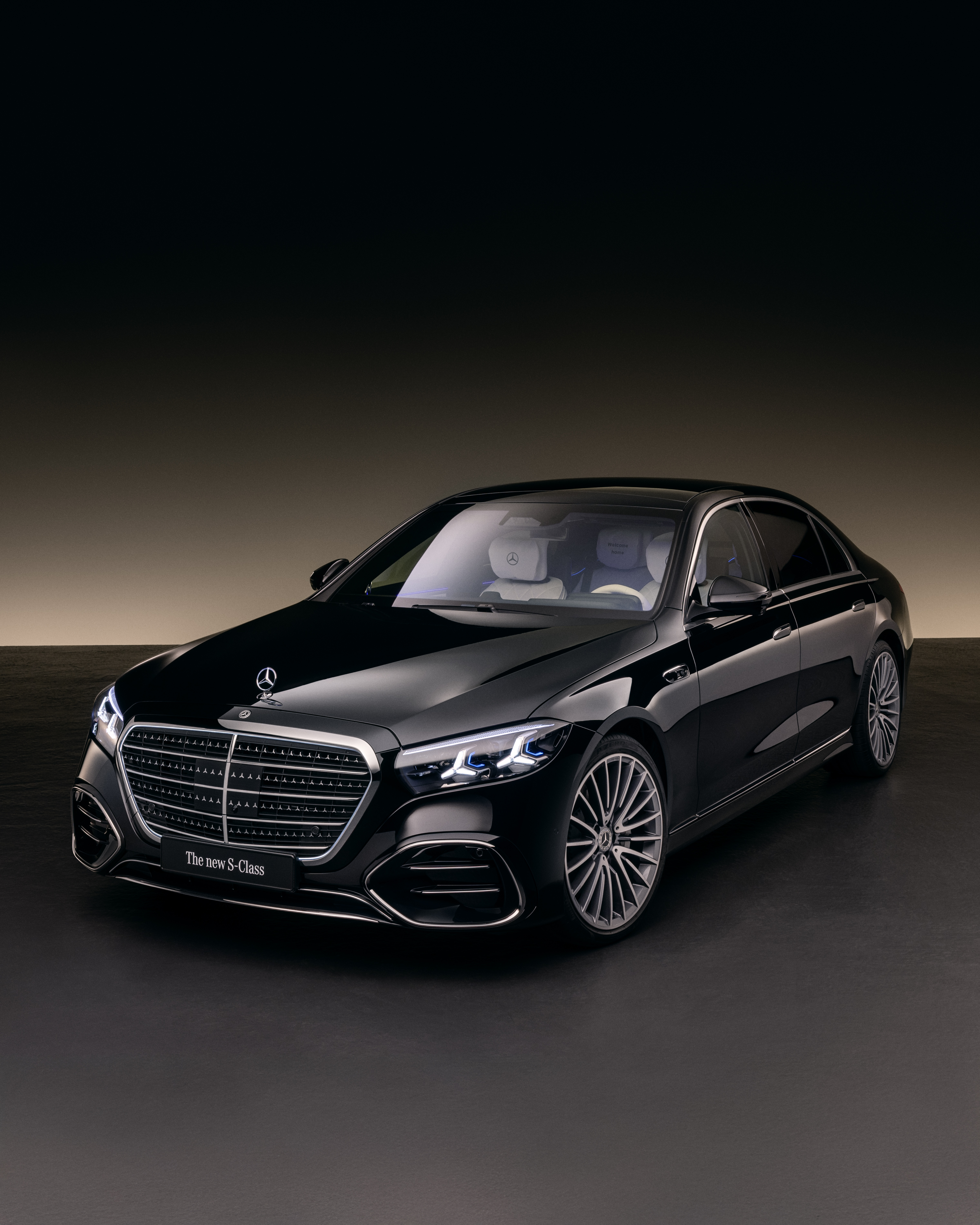
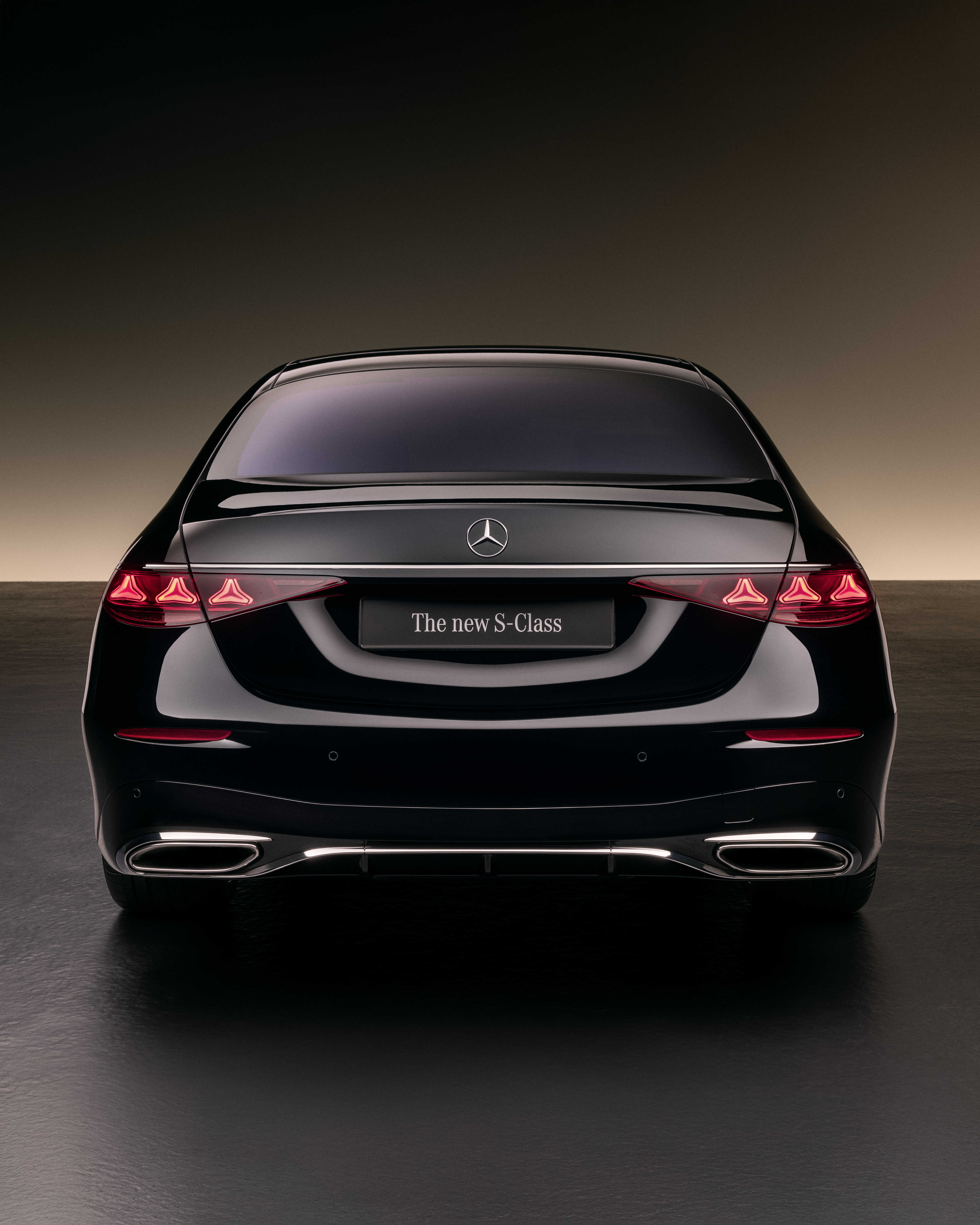
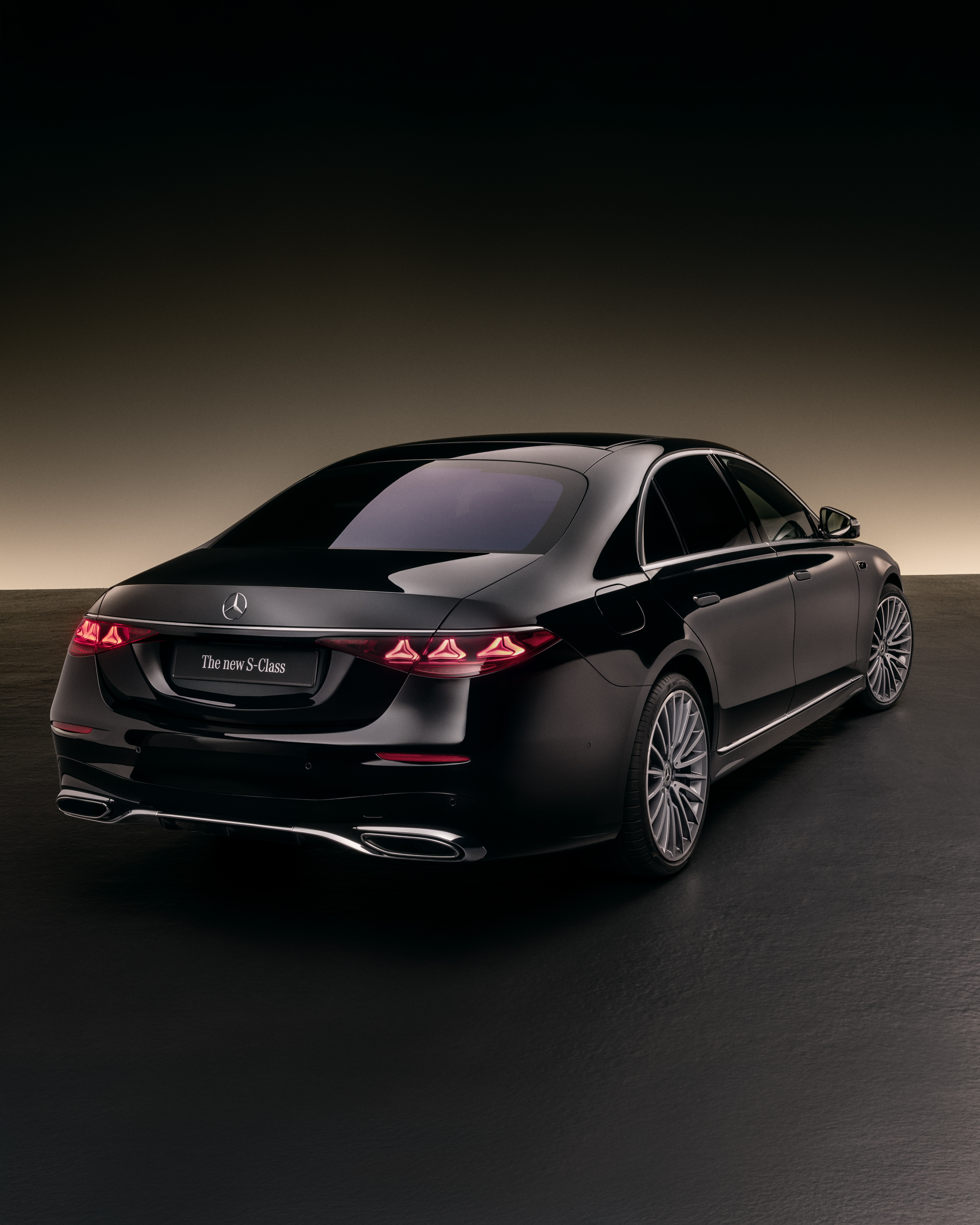
The new Mercedes-Benz S-Class represents the most extensive update to the current generation, with roughly 2,700 components, or more than half of the car, newly developed or re-engineered. The changes reach considerably deeper than the usual mid-cycle combination of revised lights, new wheels and upgraded software. Mercedes has reworked the flagship’s electronics, driver-assistance systems, interior technology, suspension and powertrains while giving the car a noticeably more assertive exterior.
 In Germany, ordering opened January 30, with the S 350 d 4MATIC starting at €121,356.20 including VAT.
A More Recognizable S-Class
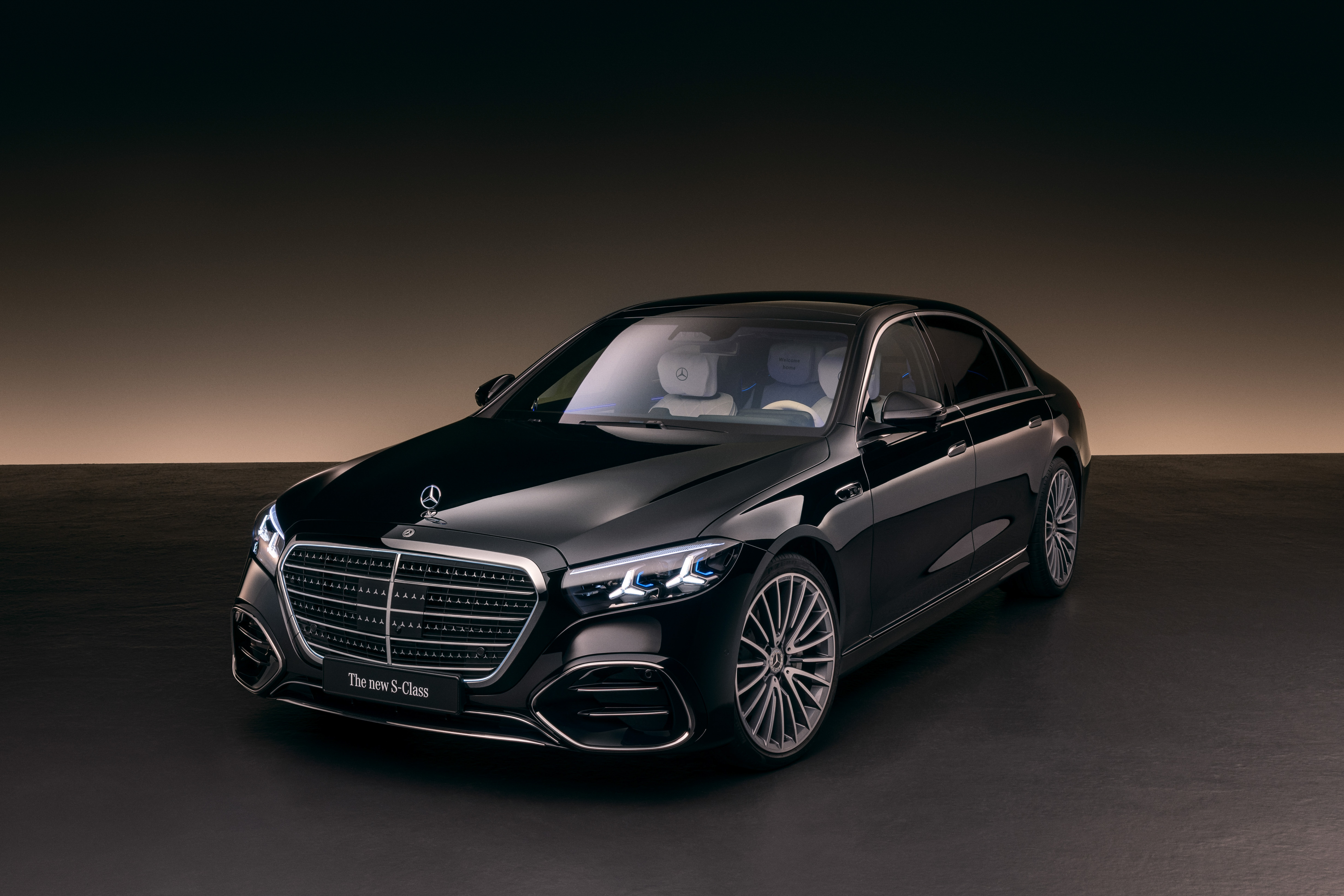
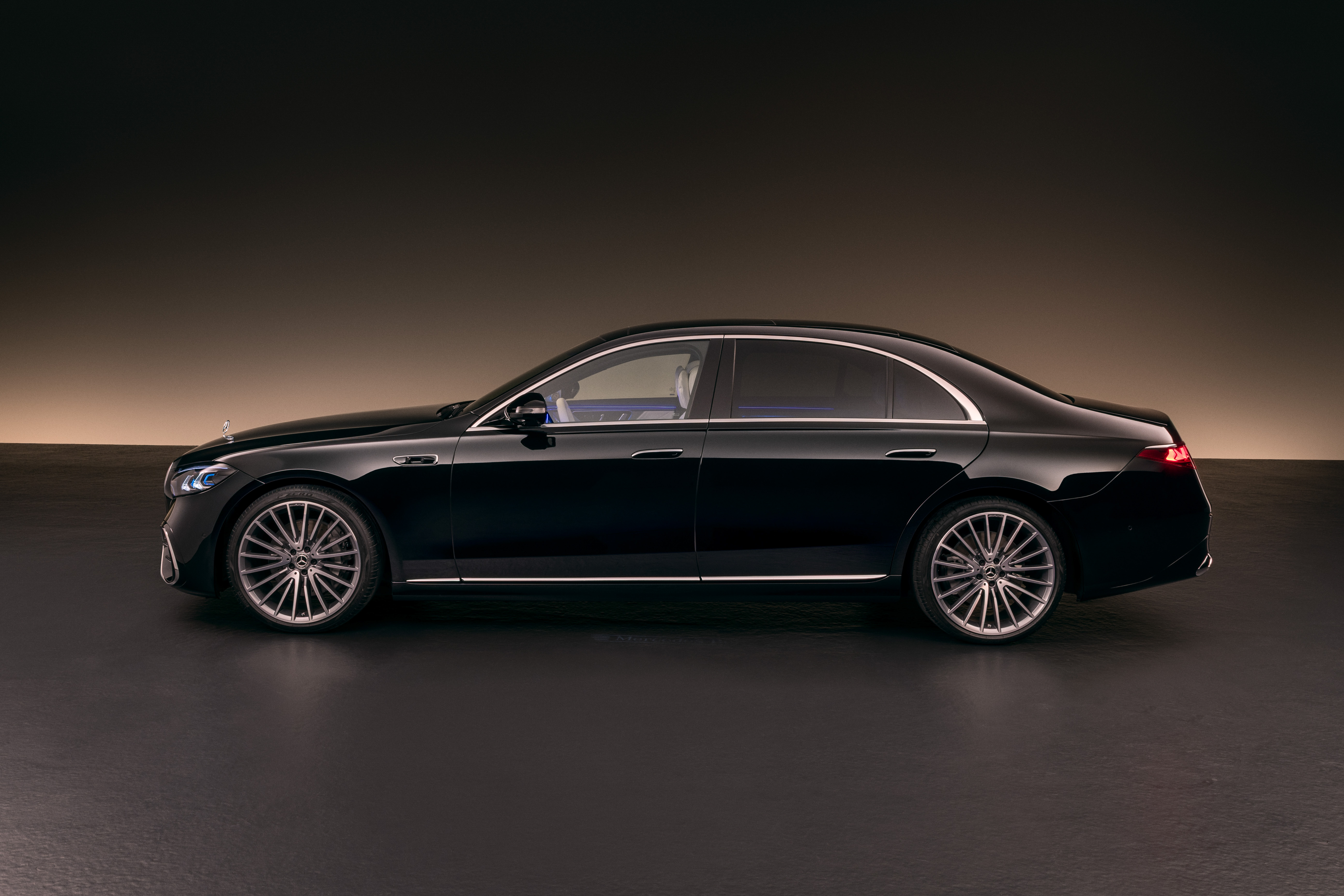
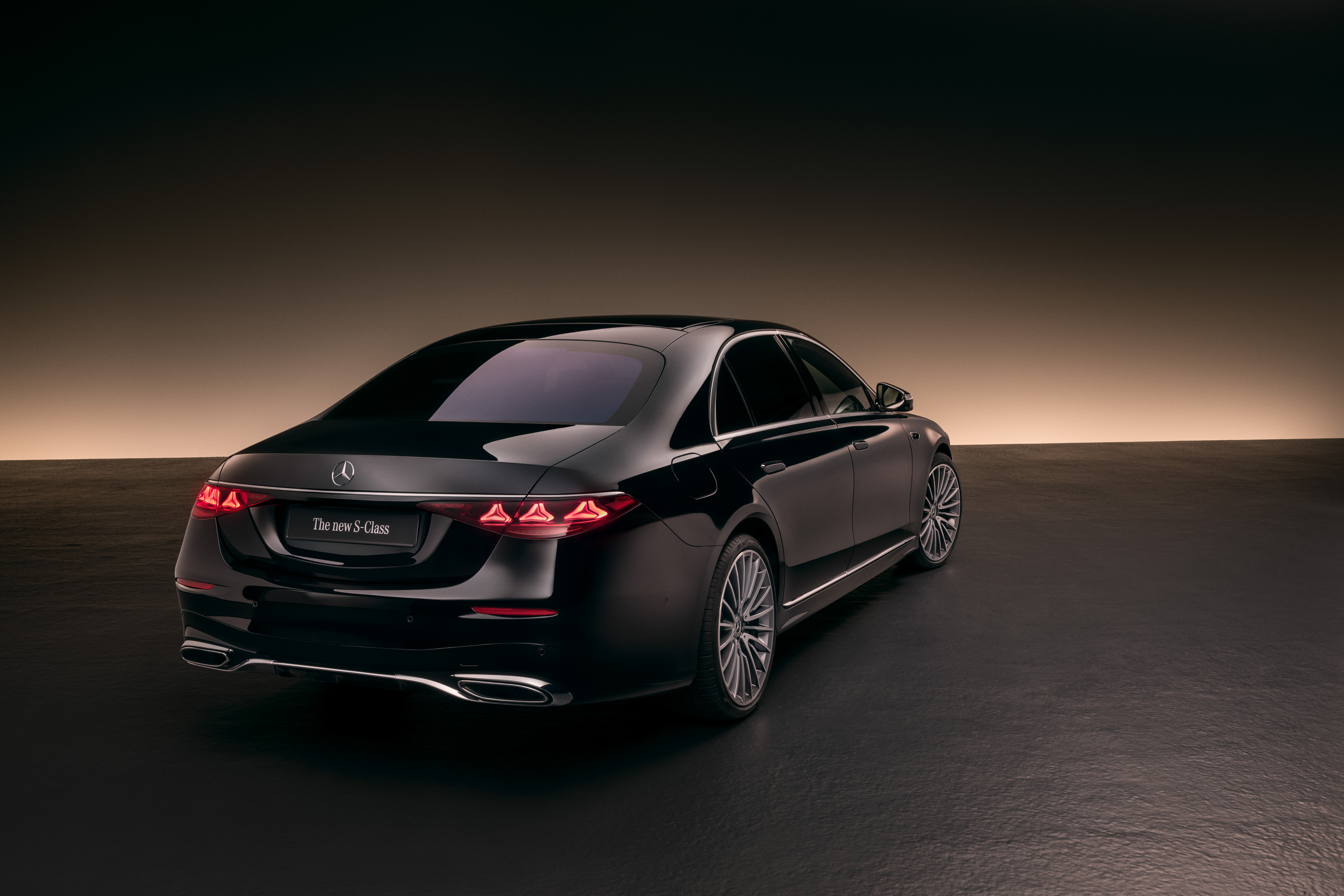
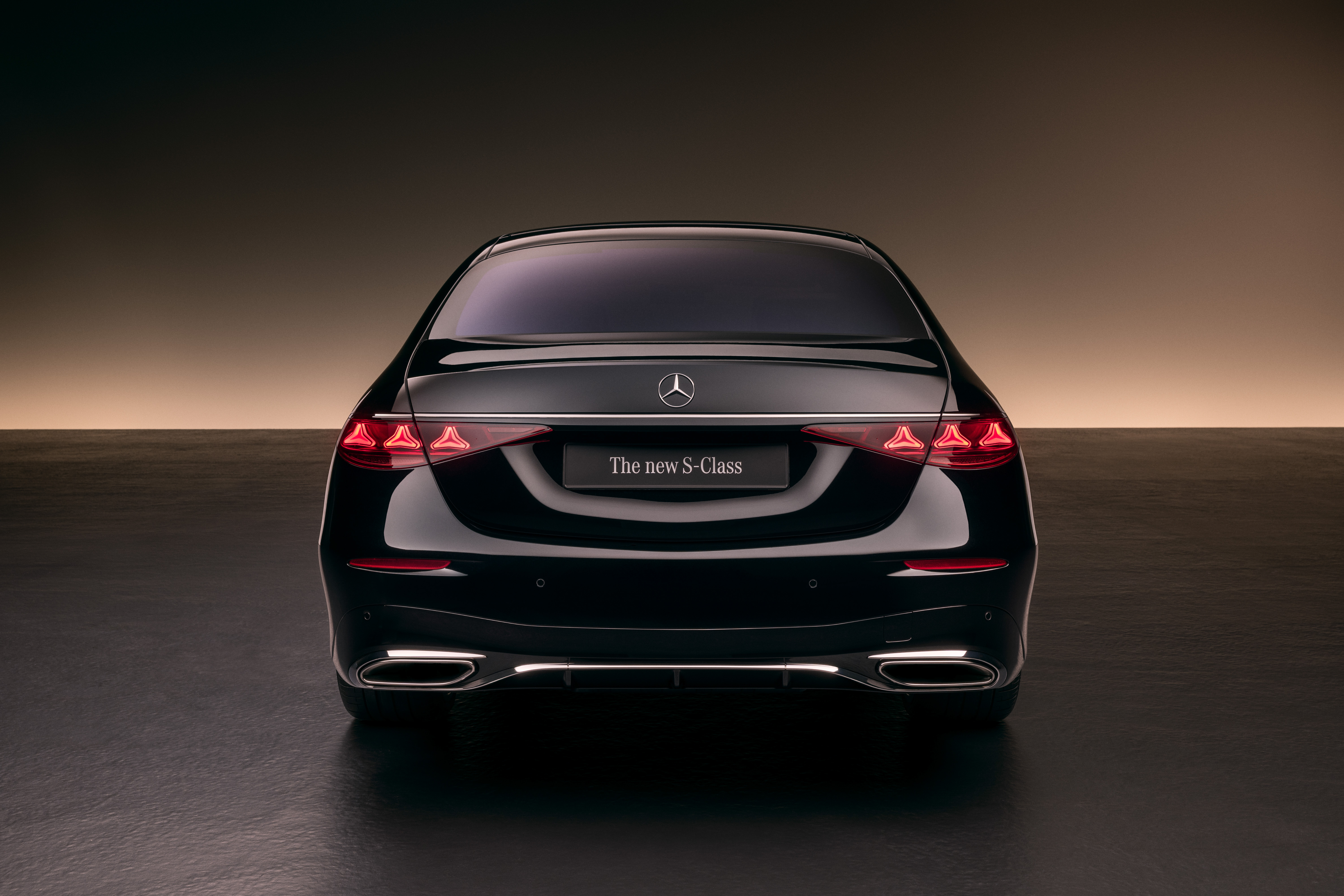
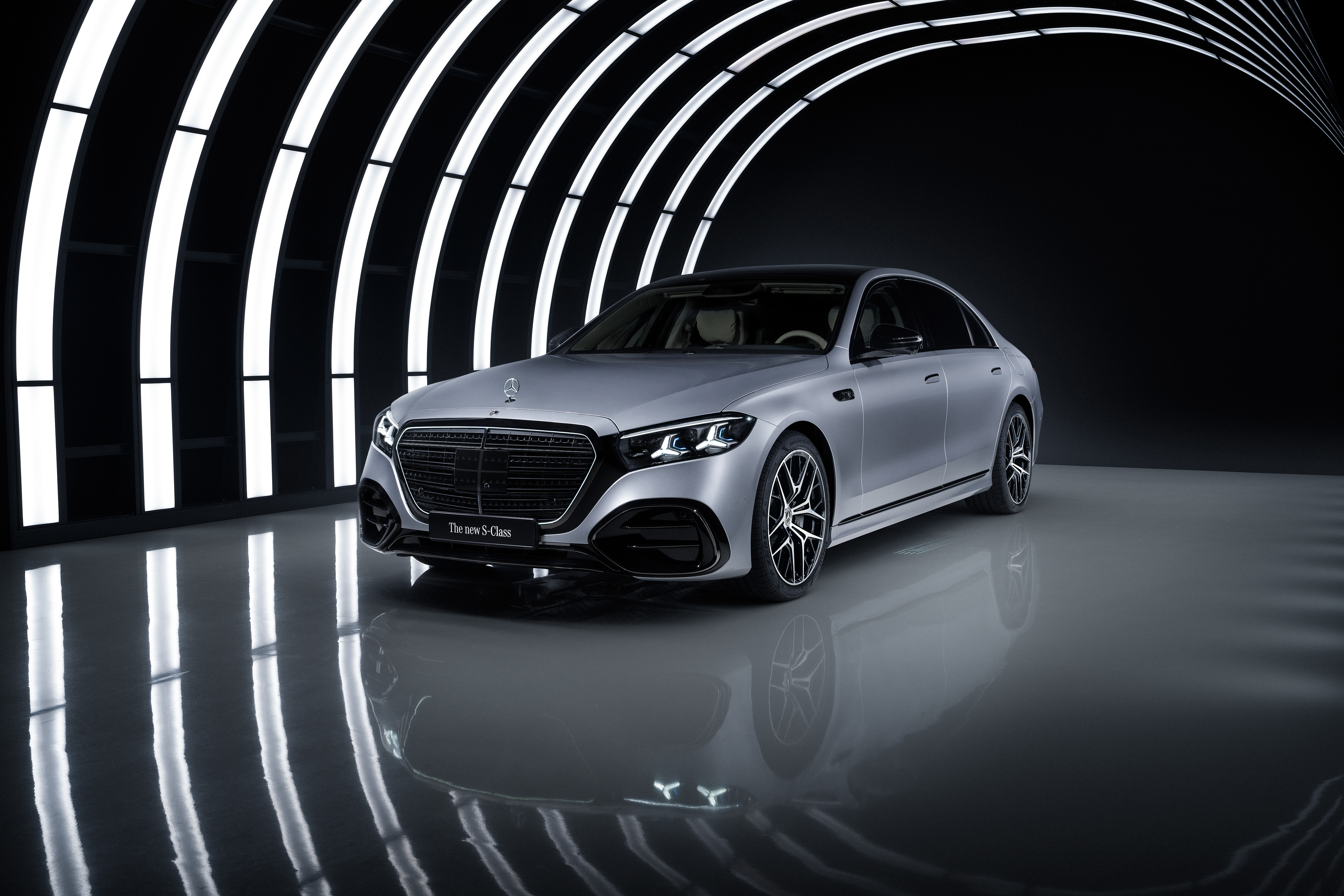
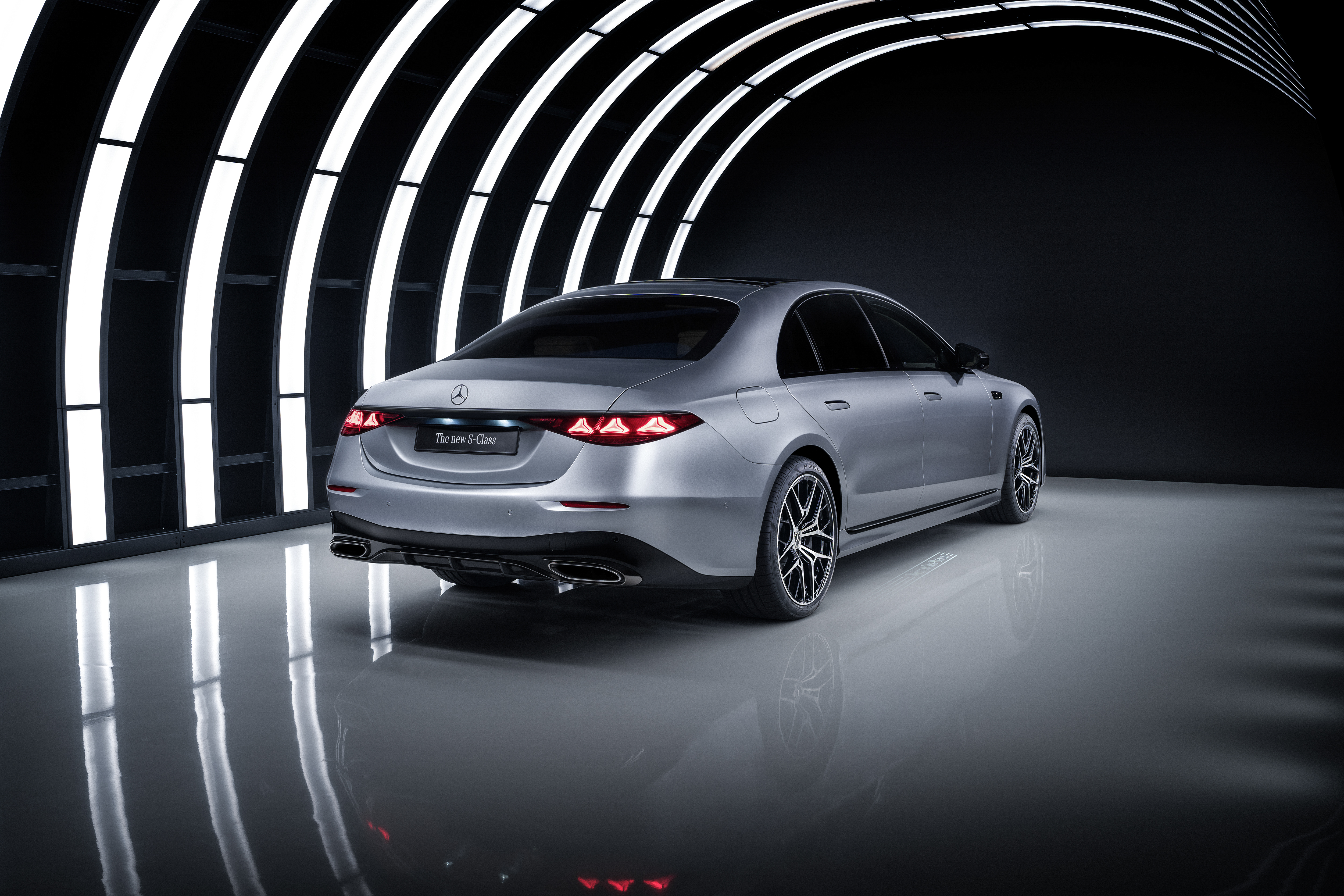
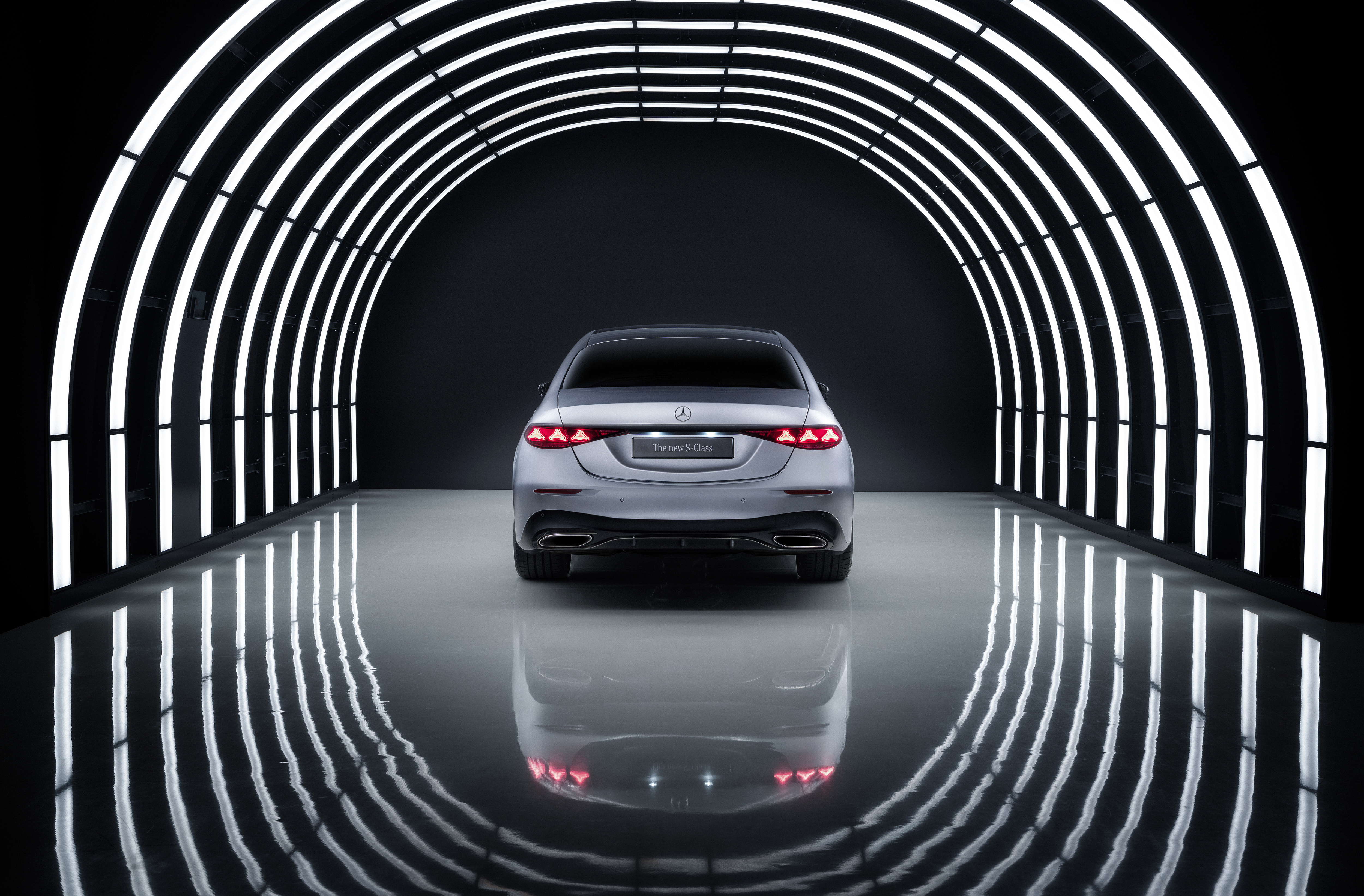
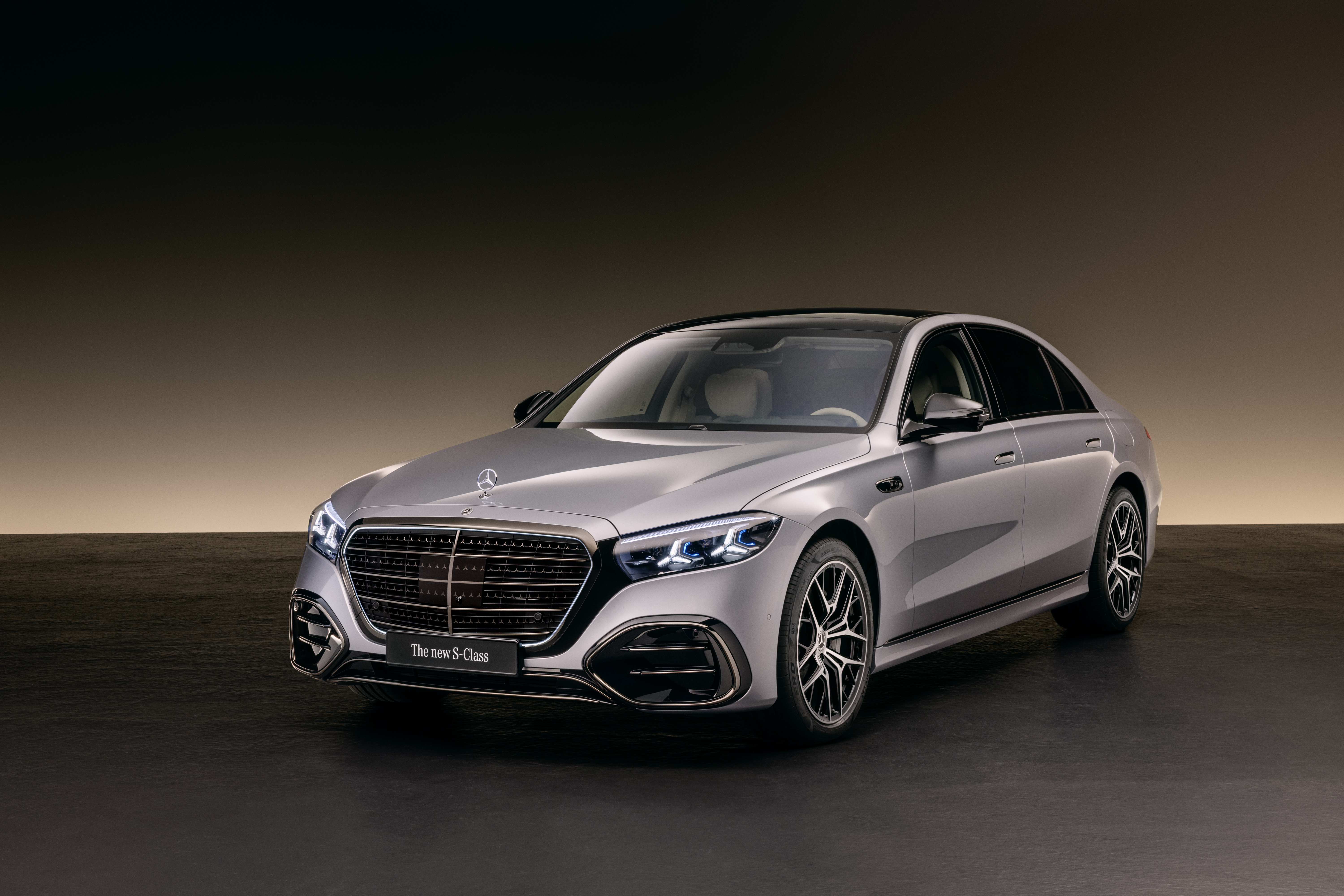
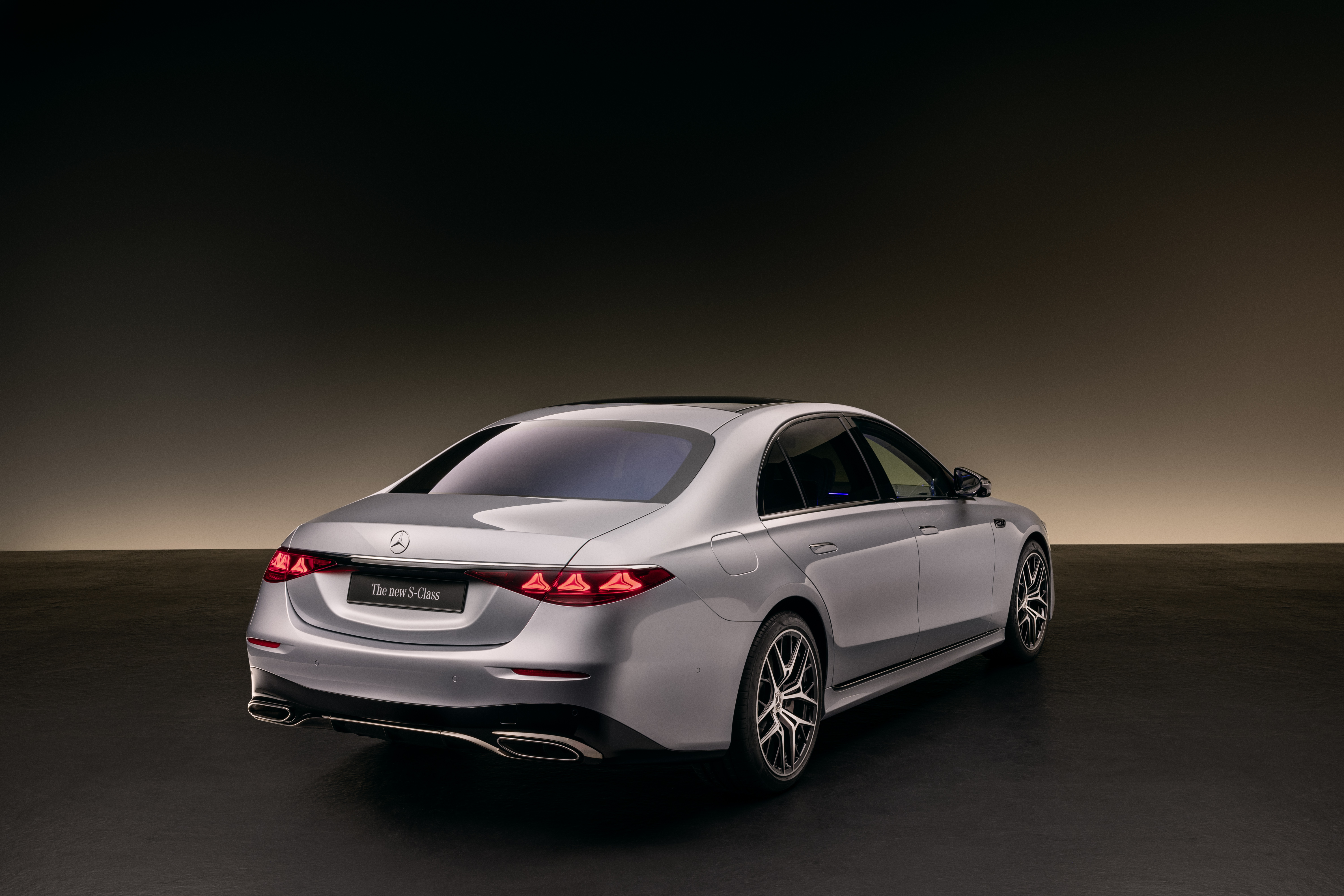
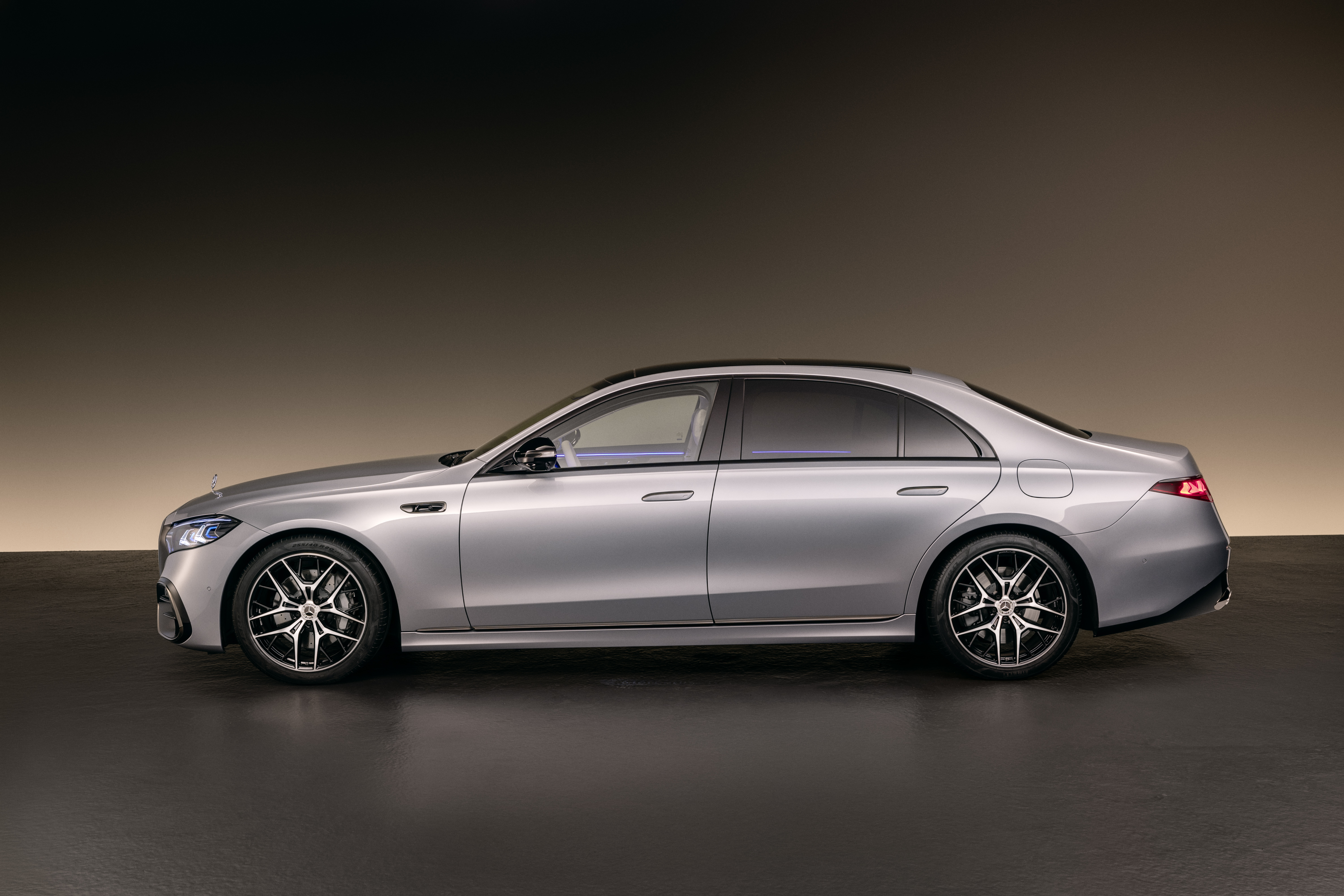
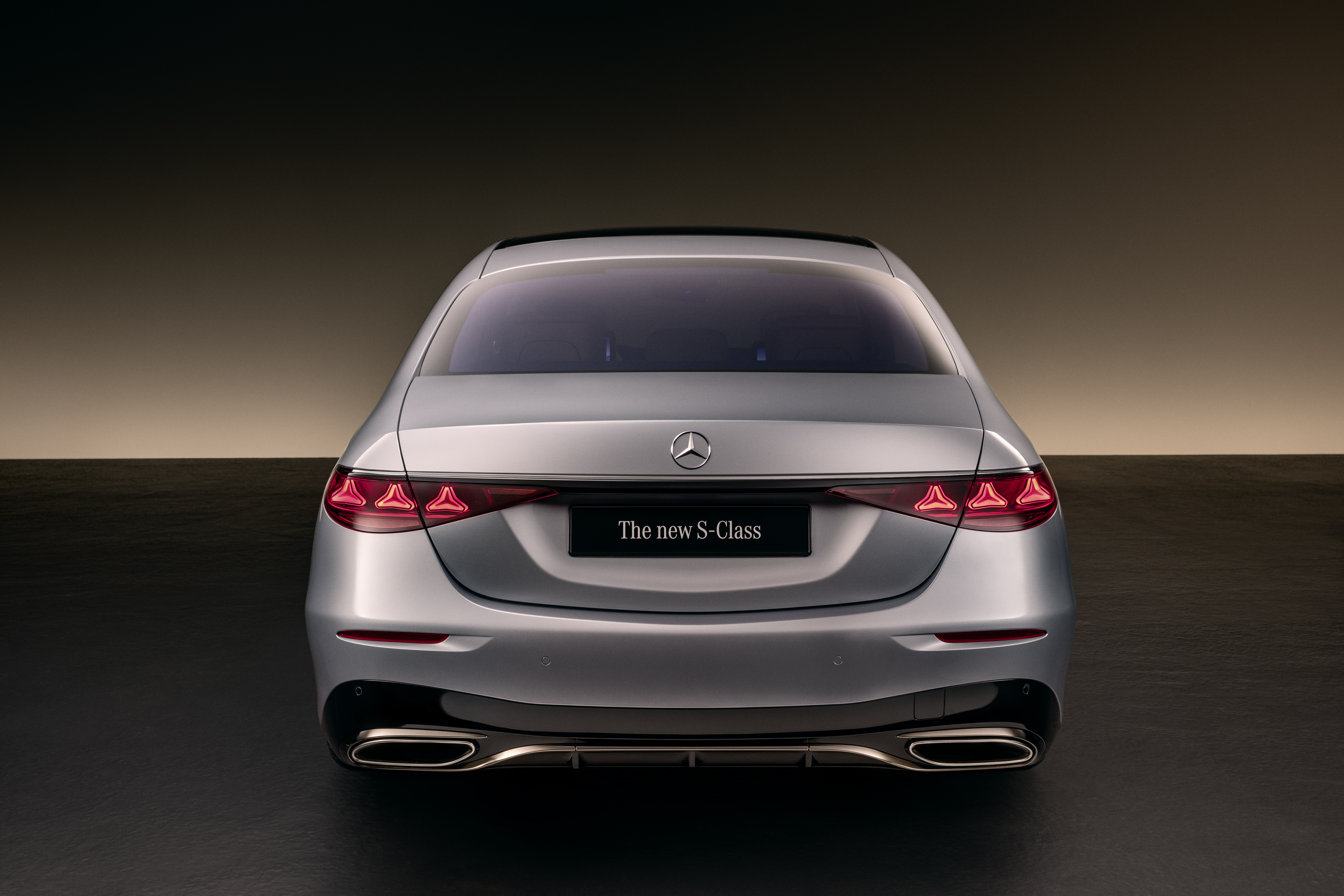
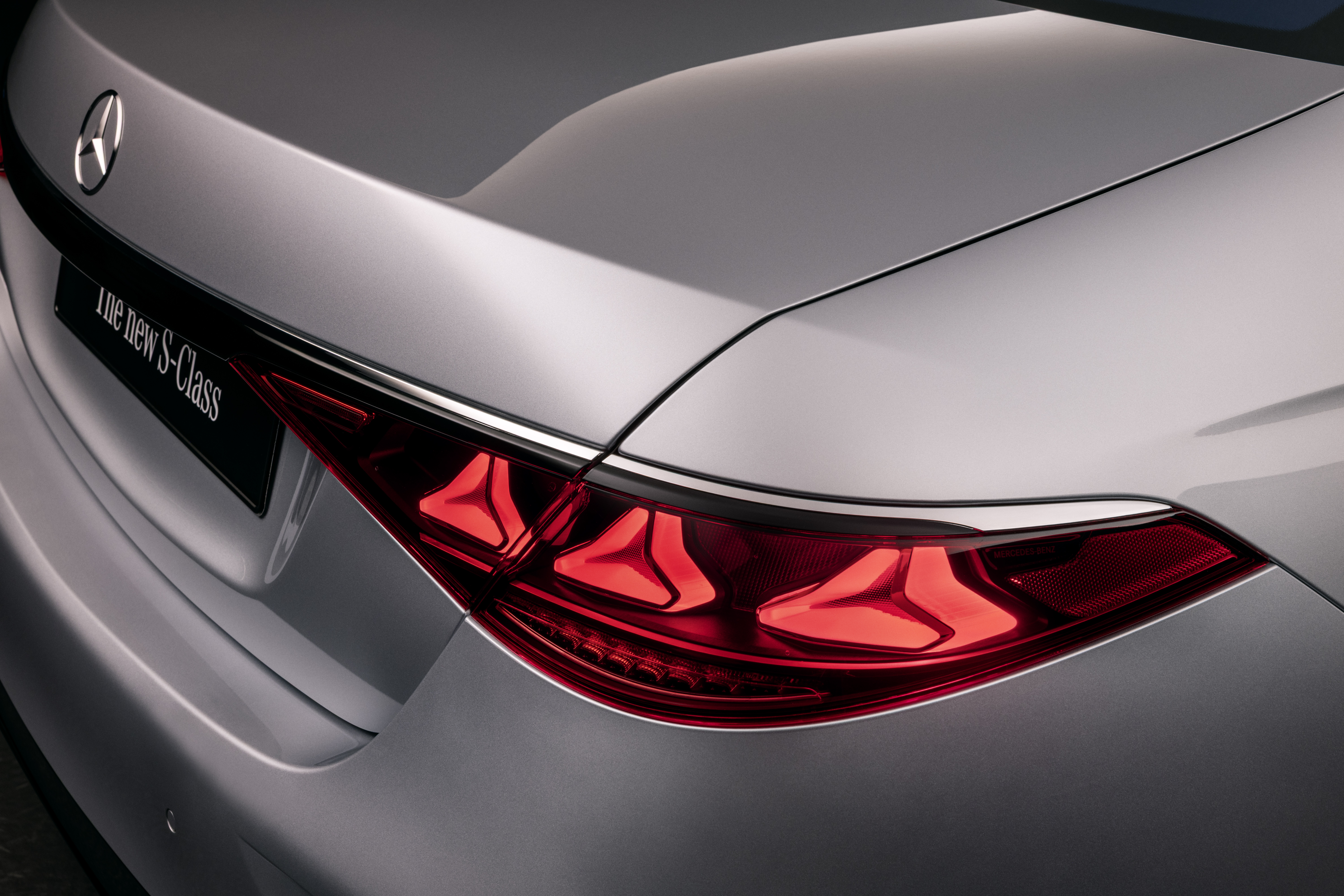
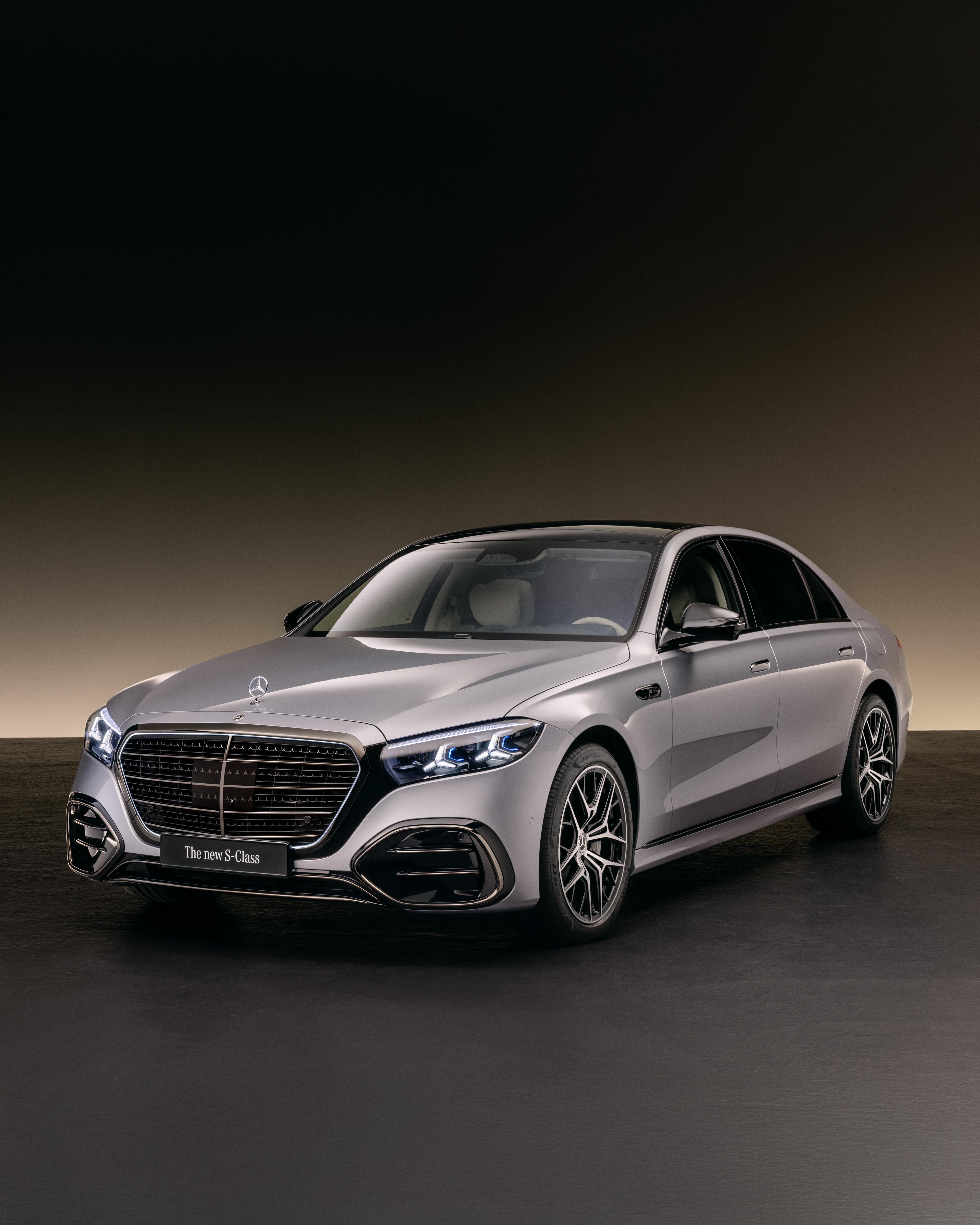
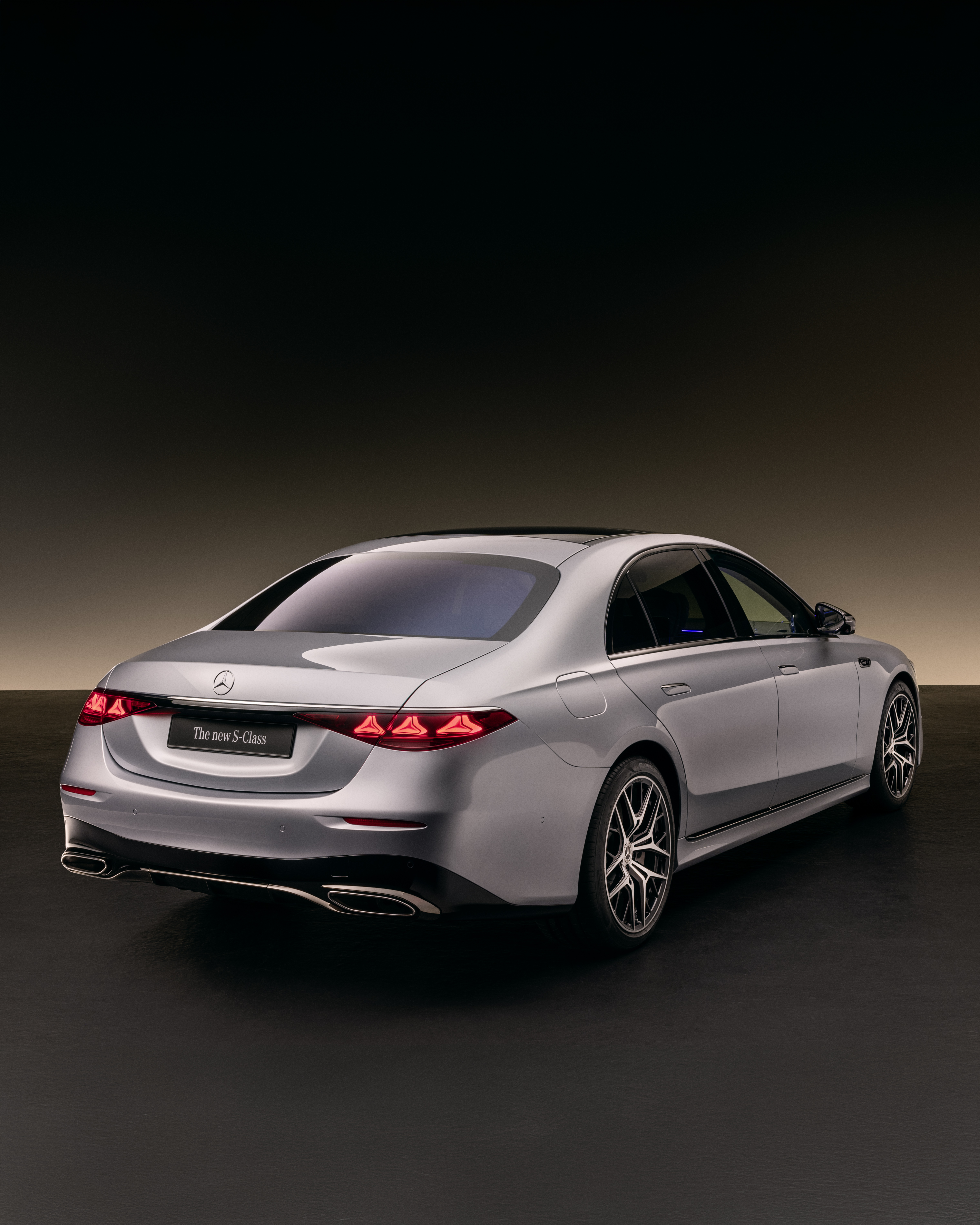
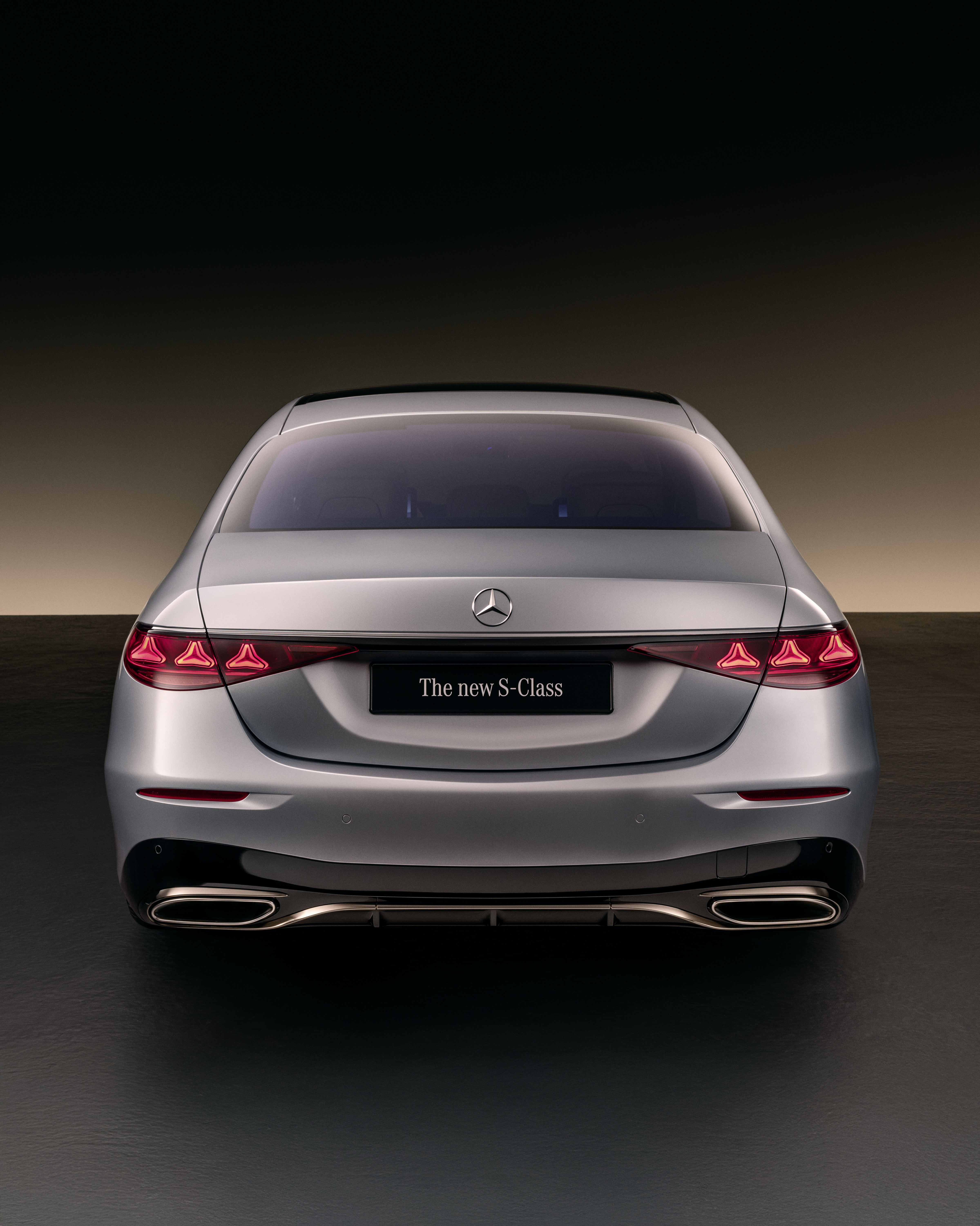
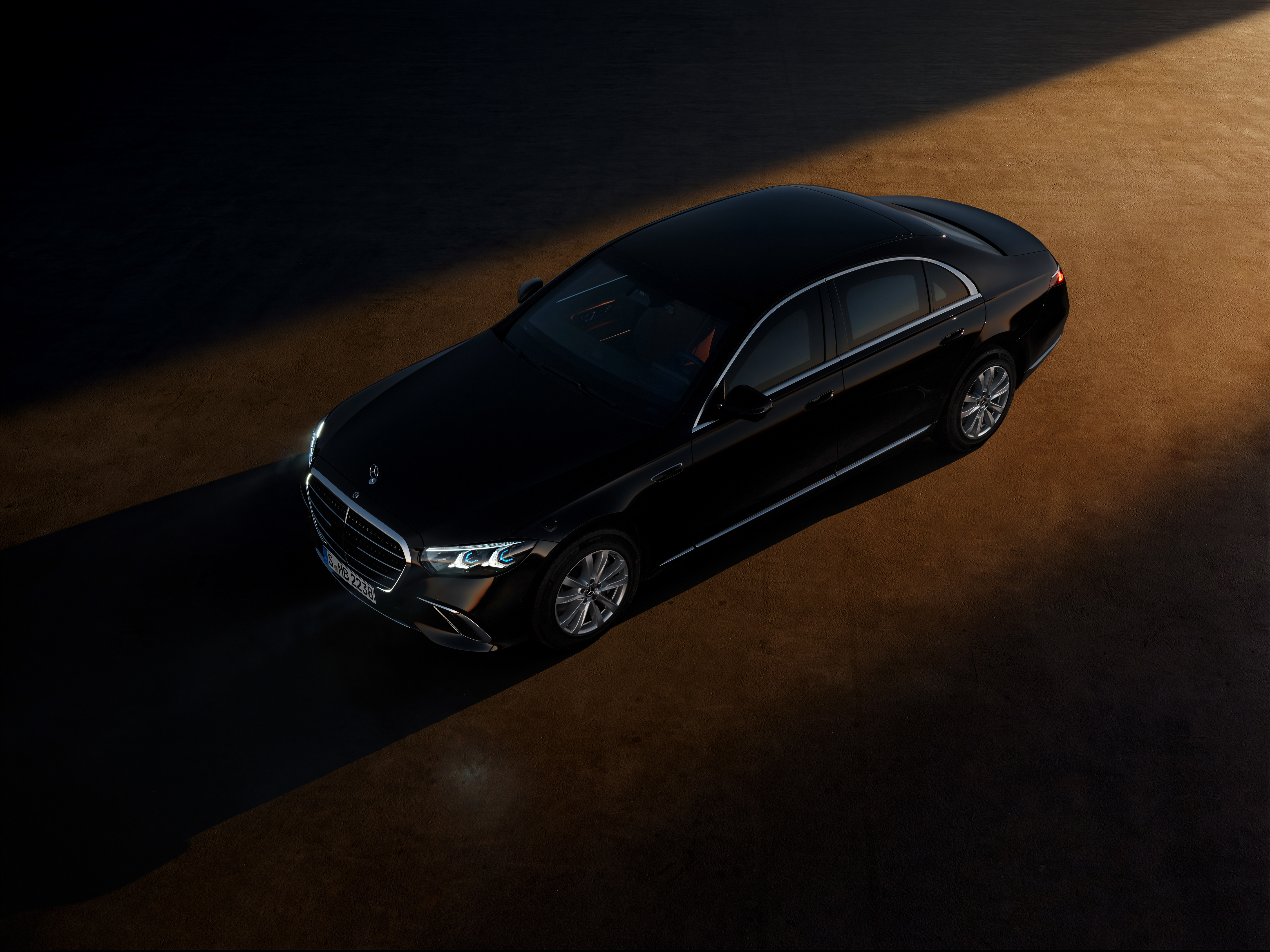
Mercedes hasn’t abandoned the traditional S-Class shape, but it has given the sedan more visual presence.
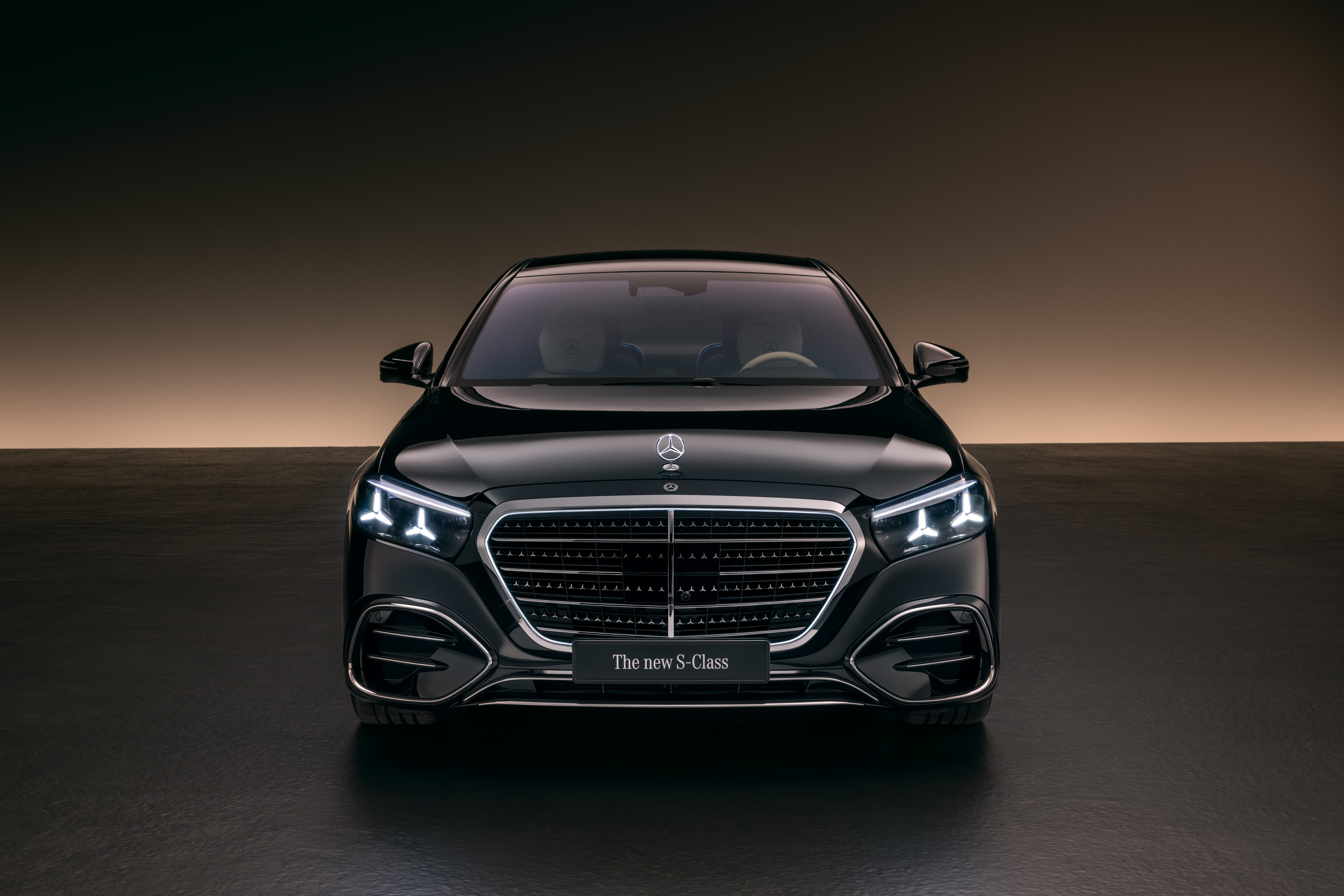
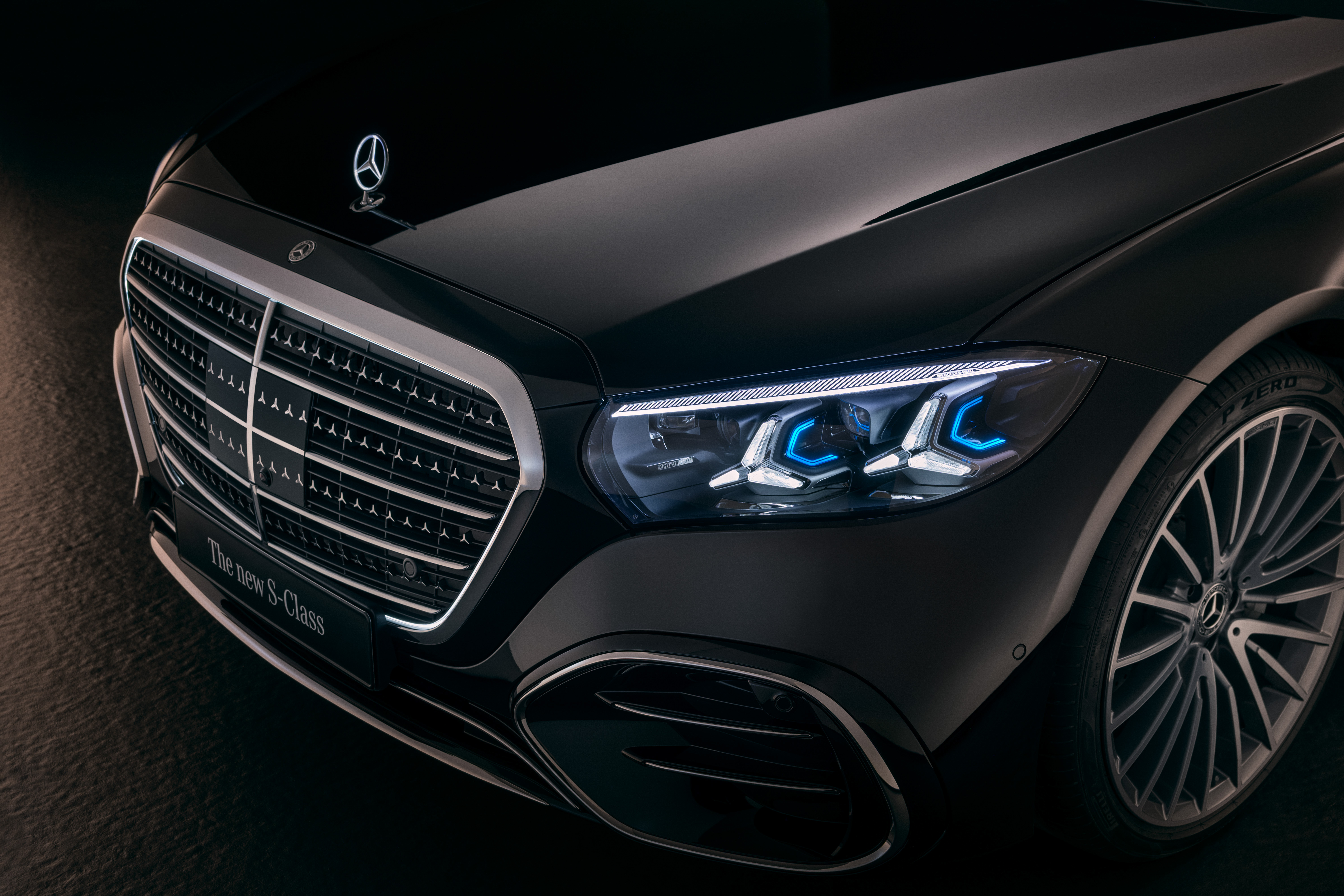
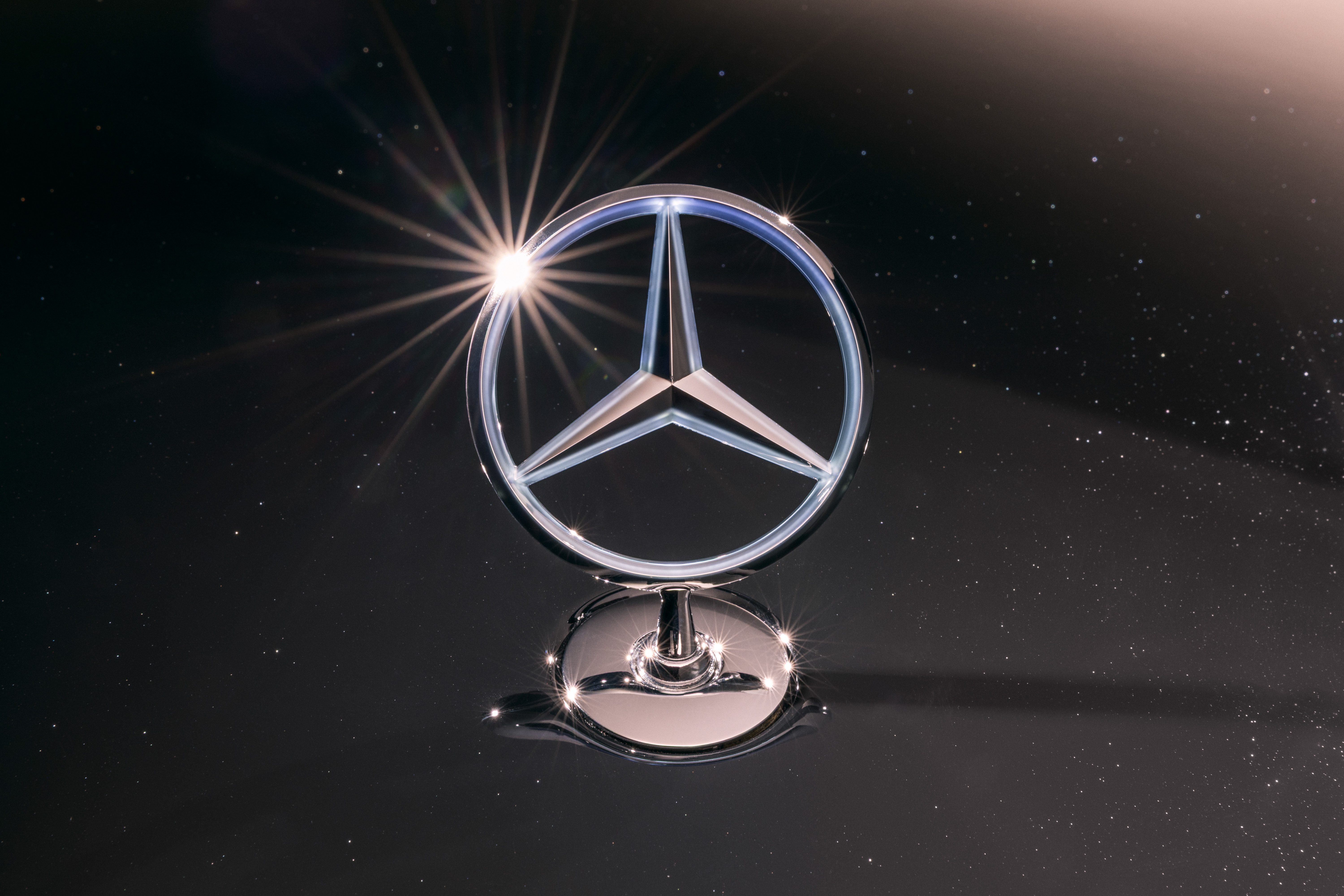
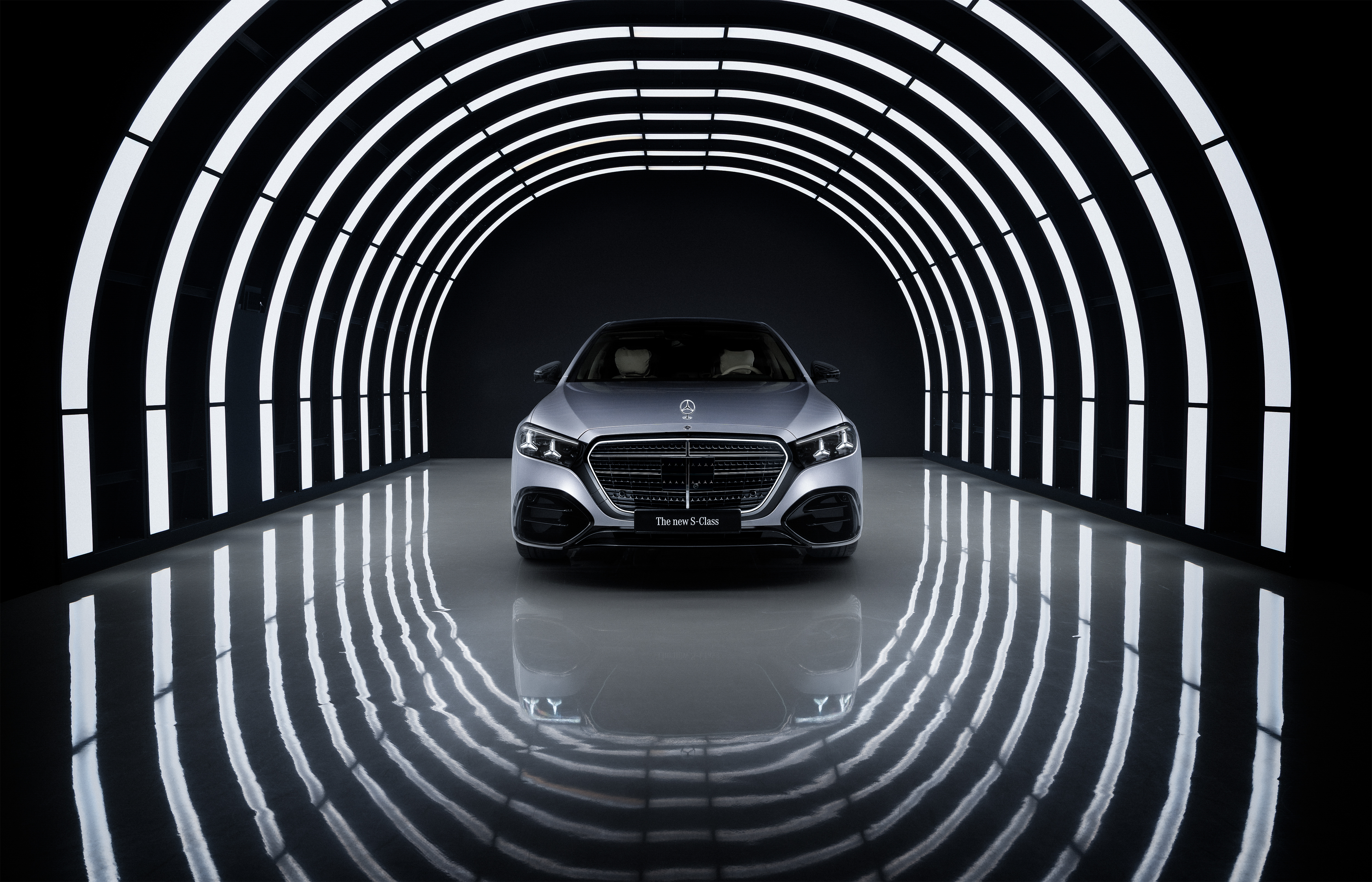
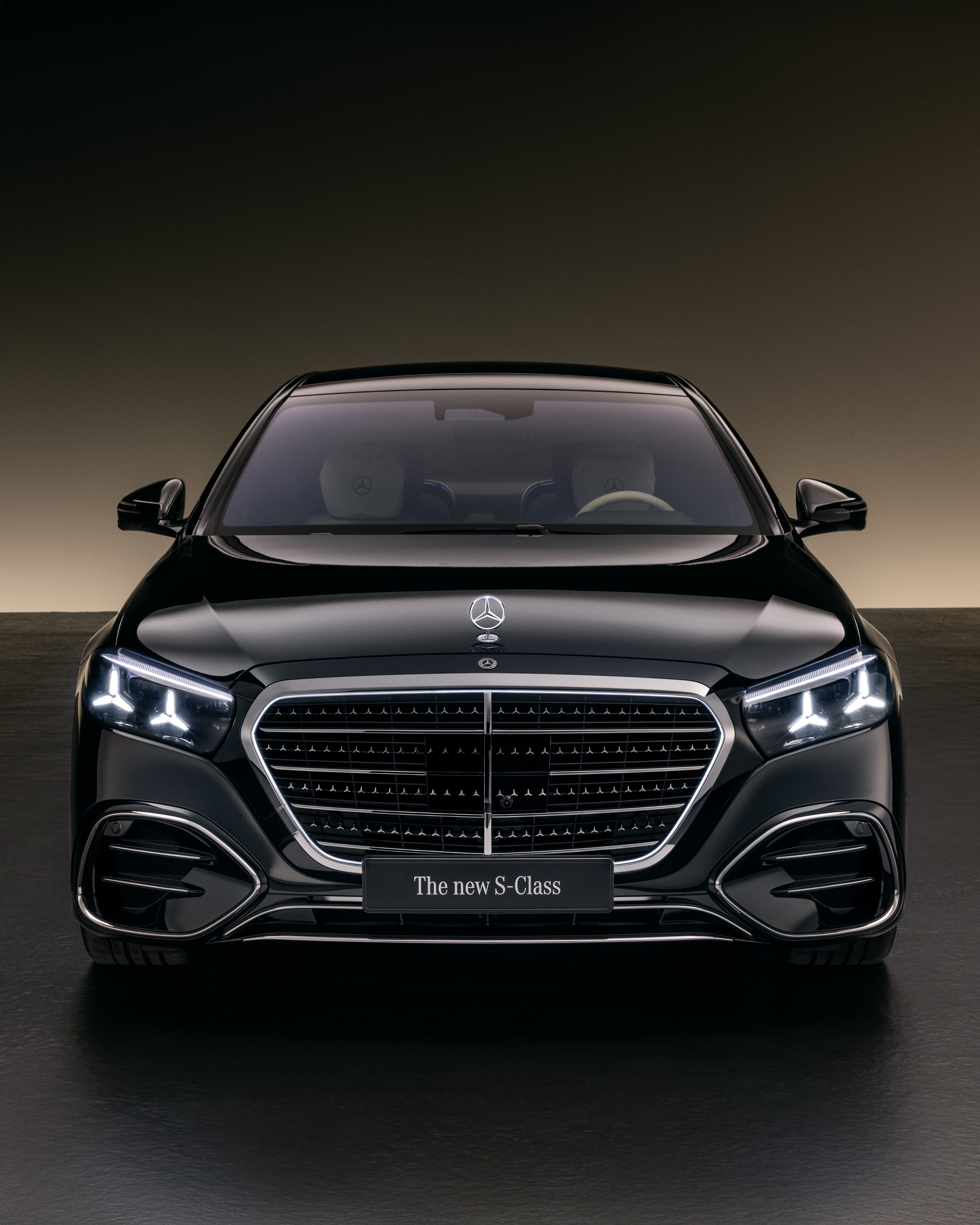
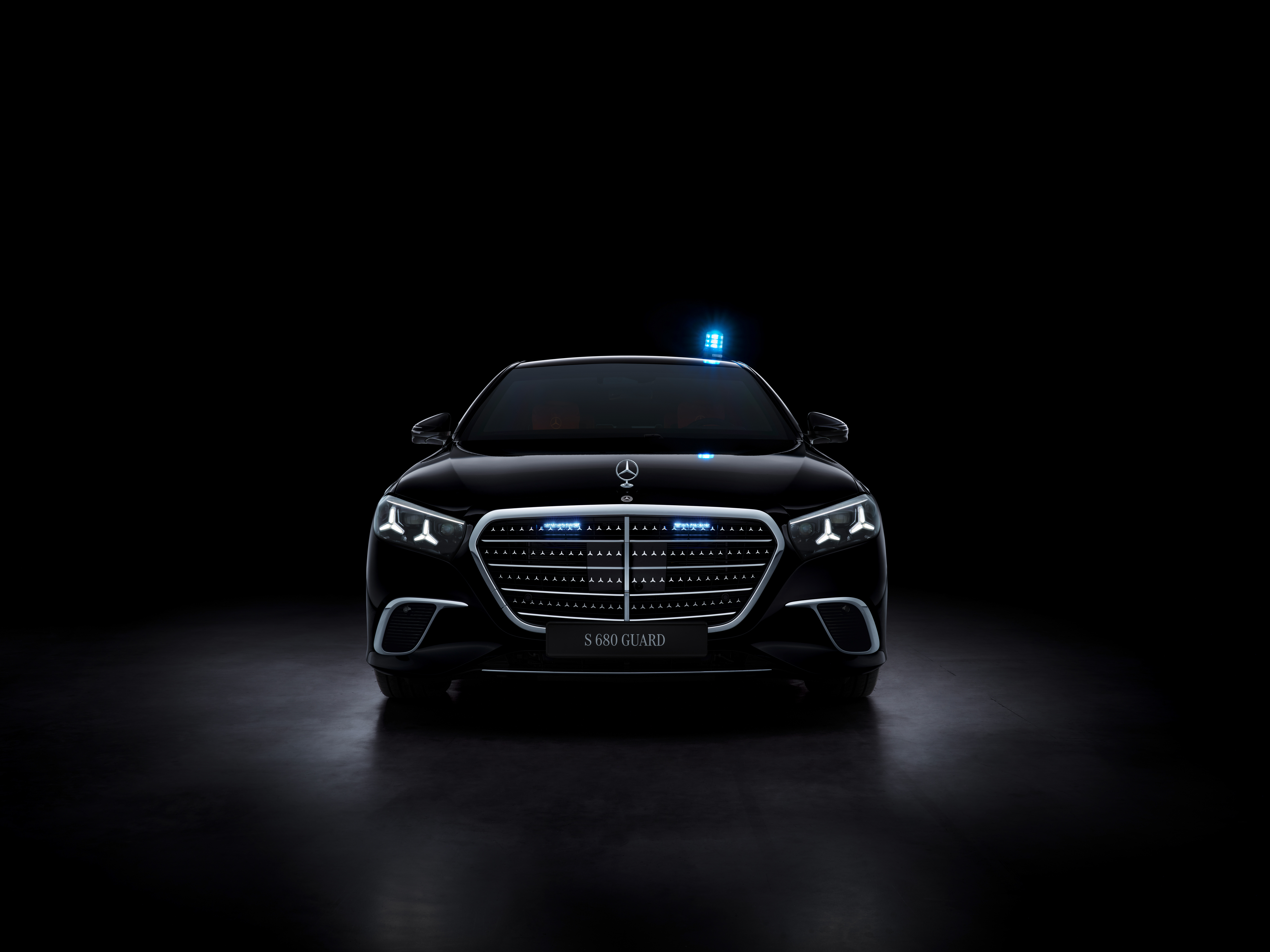
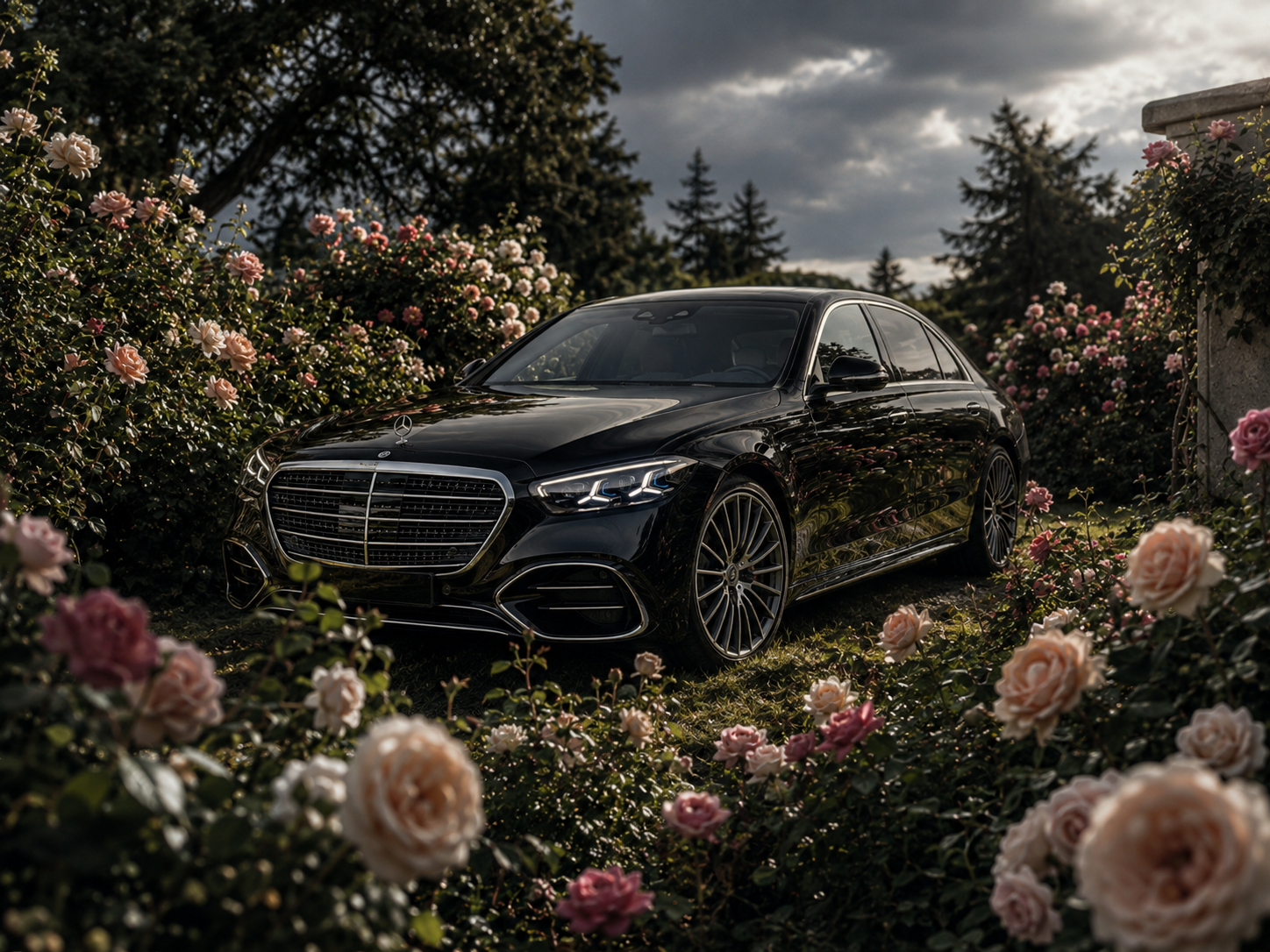
The grille is approximately 20 percent larger and illuminated, with three-dimensional chrome stars integrated into its design. For the first time, buyers can also specify an illuminated version of the upright Mercedes star on the hood.
New twin-star DIGITAL LIGHT headlamps use micro-LED technology and provide an illumination field approximately 40 percent larger than the previous system. ULTRA RANGE high beams can reach up to 600 meters, while cameras and map data help adapt the lighting to corners and surrounding traffic.
It is unmistakably theatrical, but subtlety has rarely been the point of a modern flagship luxury sedan.
The Bigger Change Is Inside The Computer
The more consequential update is one you cannot see from the curb.
The new S-Class moves onto Mercedes-Benz Operating System, or MB.OS, a centralized computing architecture responsible for functions ranging from infotainment to driving assistance. Mercedes says the system connects the car to its cloud infrastructure and allows numerous vehicle functions to be updated over the air.
That architecture also supports the fourth generation of MBUX. The latest “Hey Mercedes” virtual assistant incorporates AI technology from ChatGPT, Microsoft and Google Gemini, allowing multi-turn conversations and limited conversational memory.
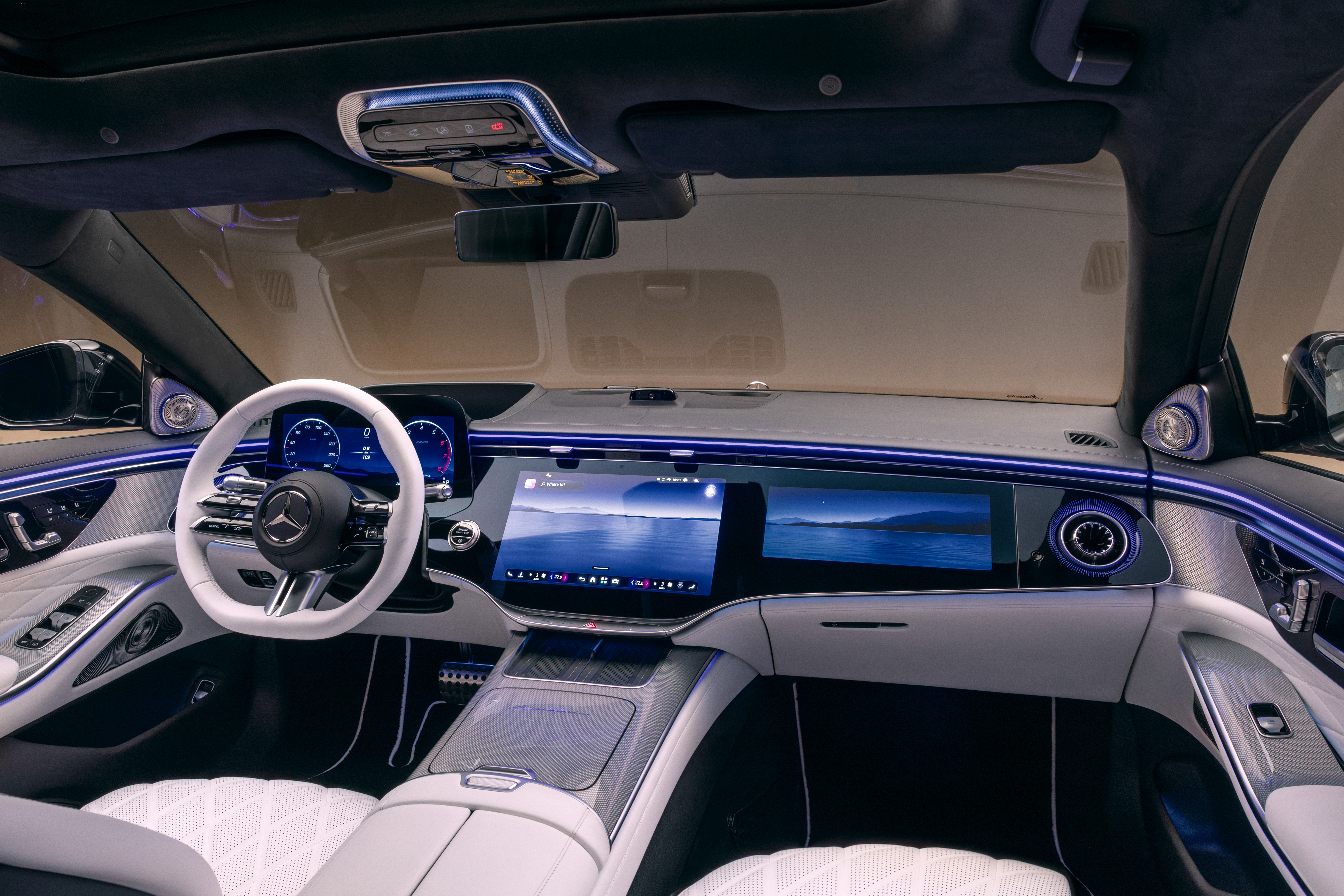
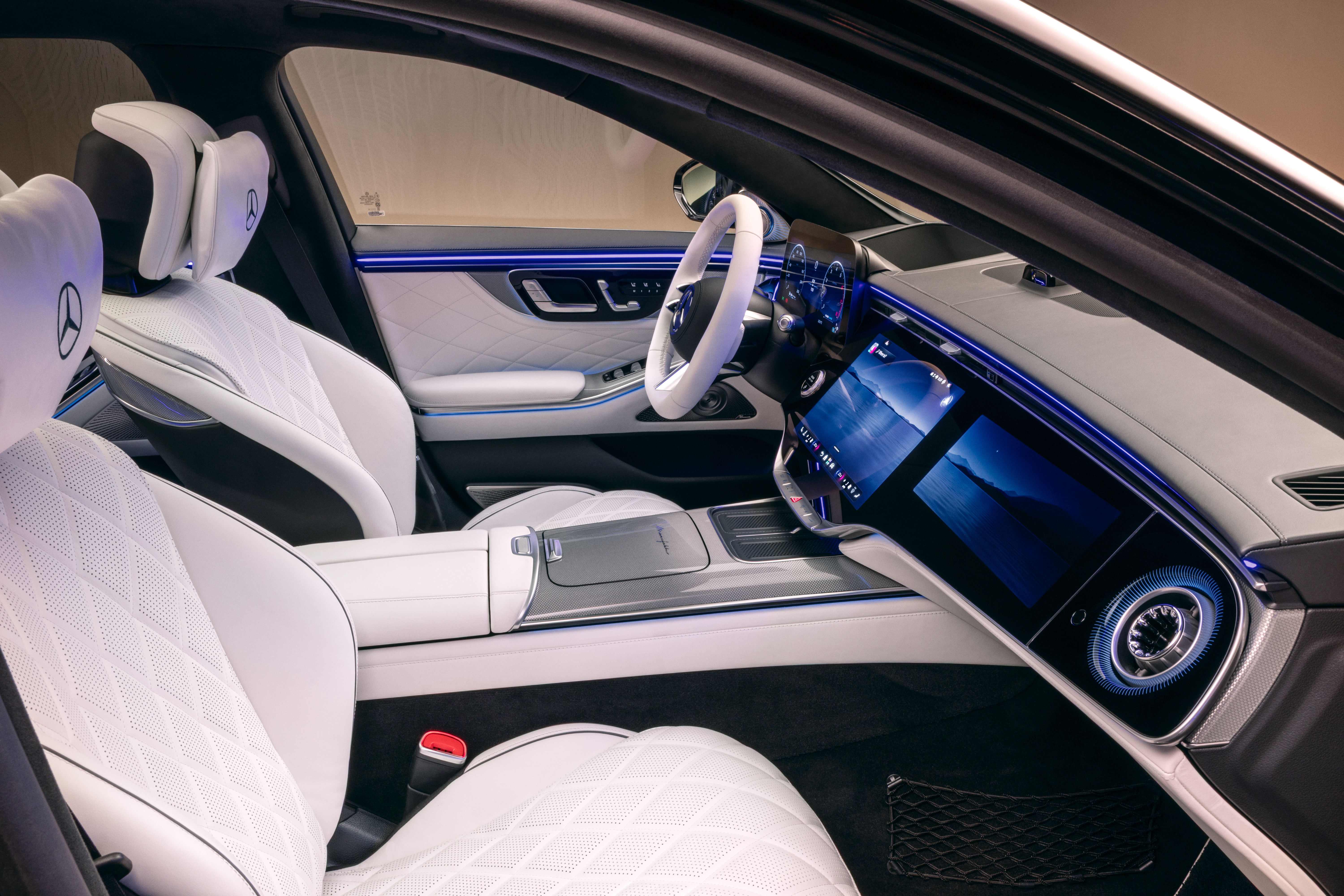
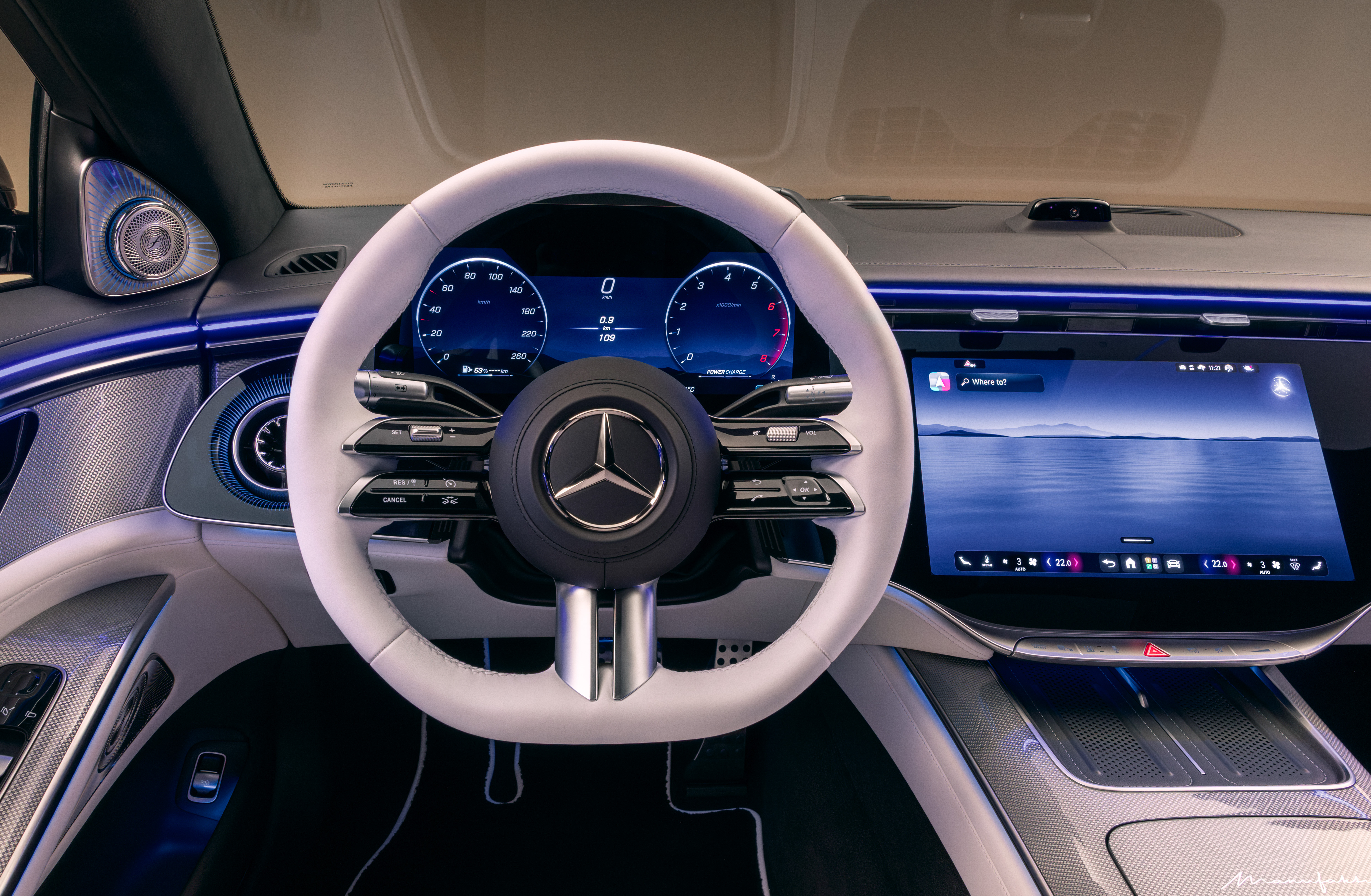
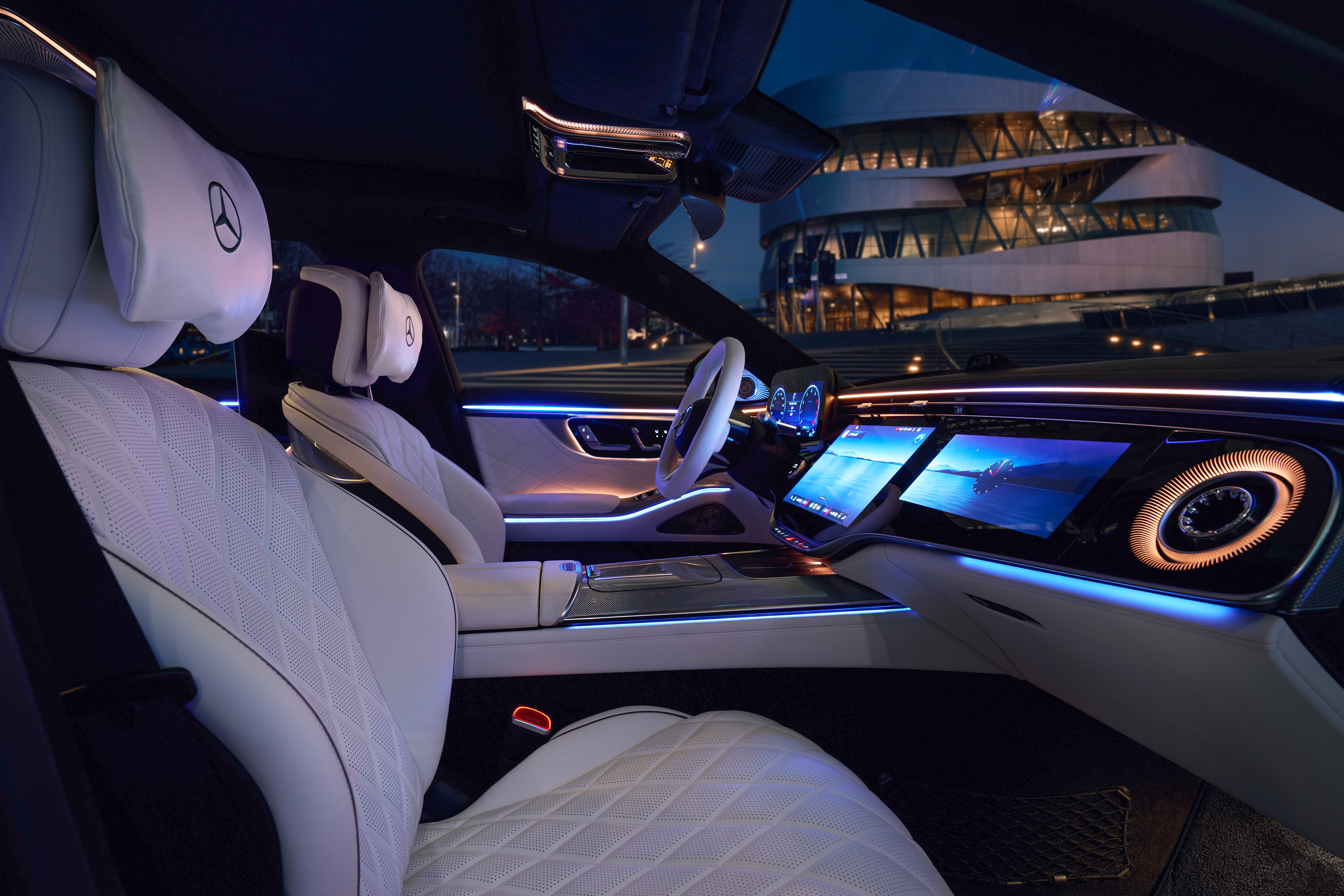
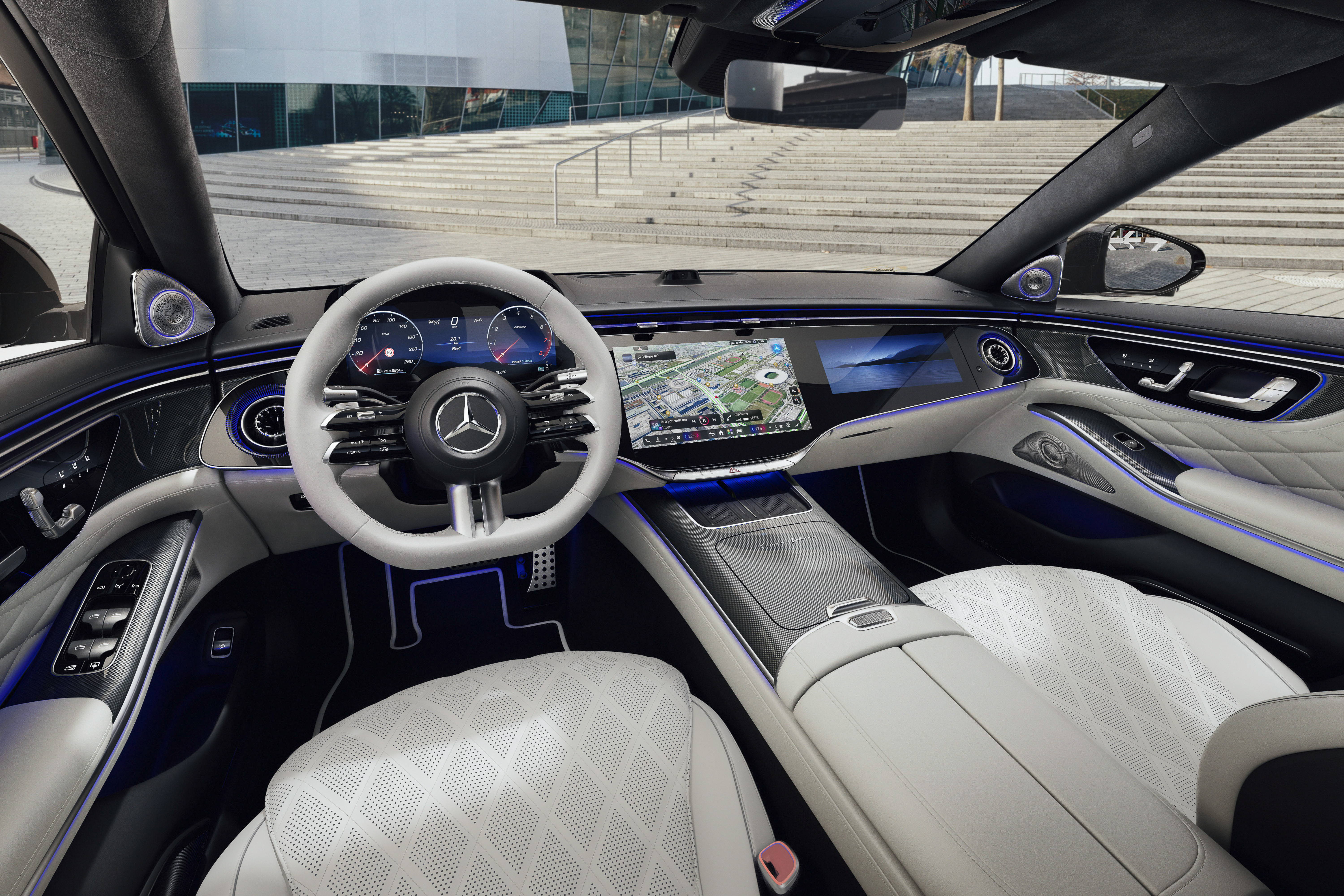
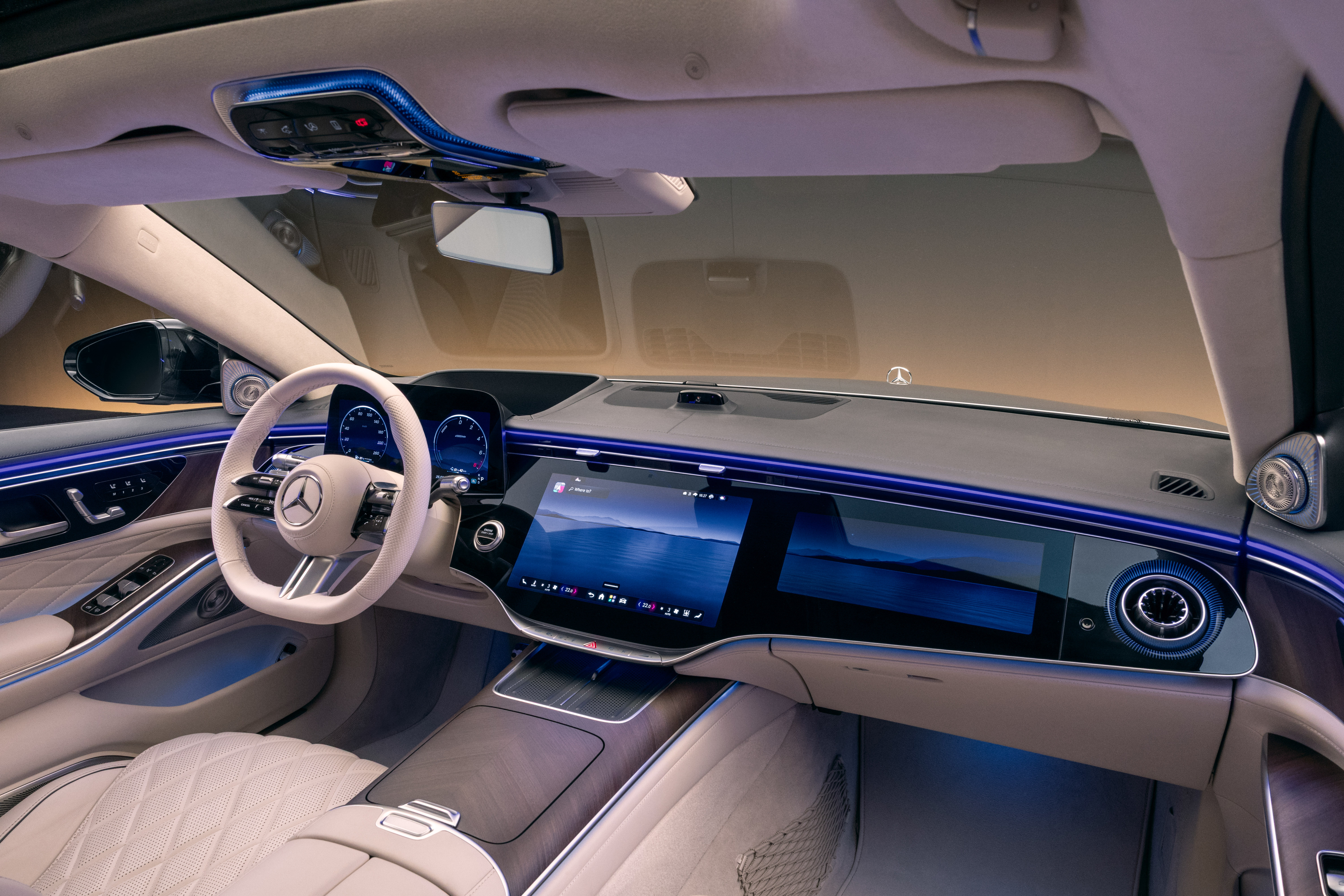
Up front, a new MBUX Superscreen combines a 14.4-inch central display and 12.3-inch passenger display beneath a single piece of glass. A separate 12.3-inch digital instrument cluster sits ahead of the driver.
Navigation is based on Google Maps, while Mercedes’ Surround Navigation system creates a 3D visualization of the vehicle’s surroundings and integrates information from the driver-assistance systems.
The S-Class also gets a substantial sensor suite: 10 exterior cameras, five radar sensors and 12 ultrasonic sensors feed information to the car’s new computing platform. MB.DRIVE ASSIST PRO is designed to support point-to-point assisted driving, including dense urban environments, although availability varies by market and regulation. China gets the system first, with the U.S. scheduled to follow later.
The Back Seat Still Matters
For all the attention paid to software, Mercedes hasn’t forgotten why many customers buy an S-Class in the first place.
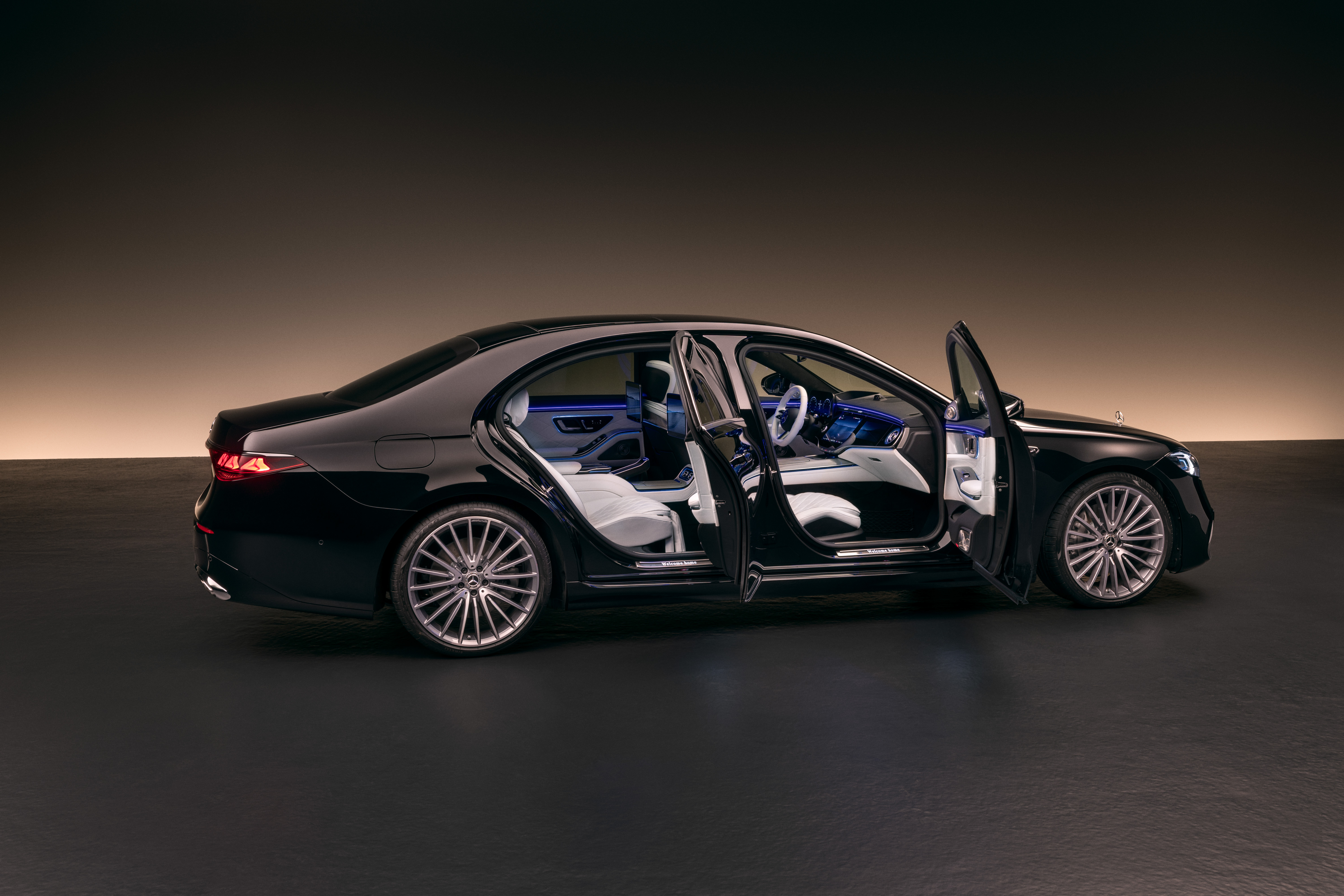
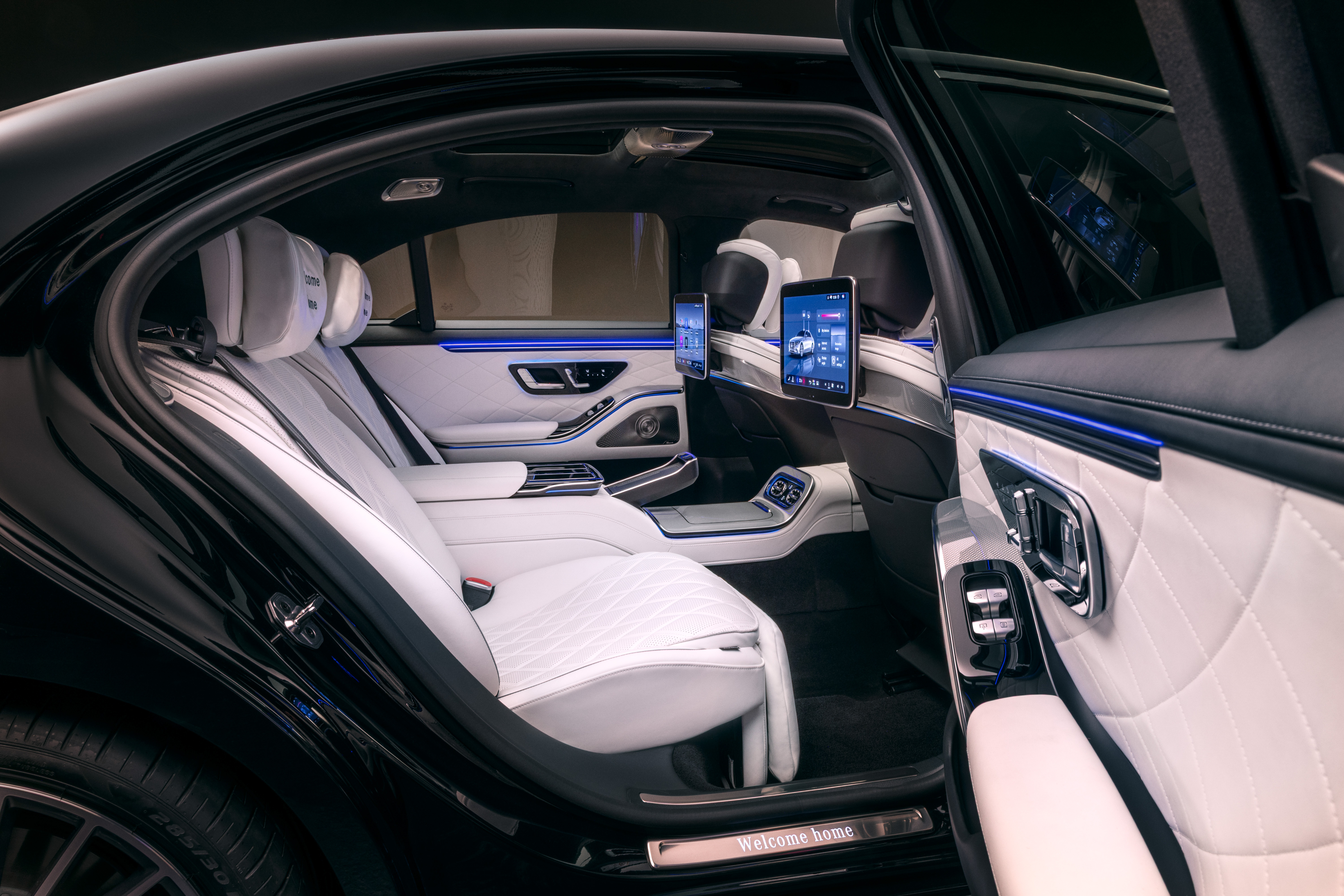
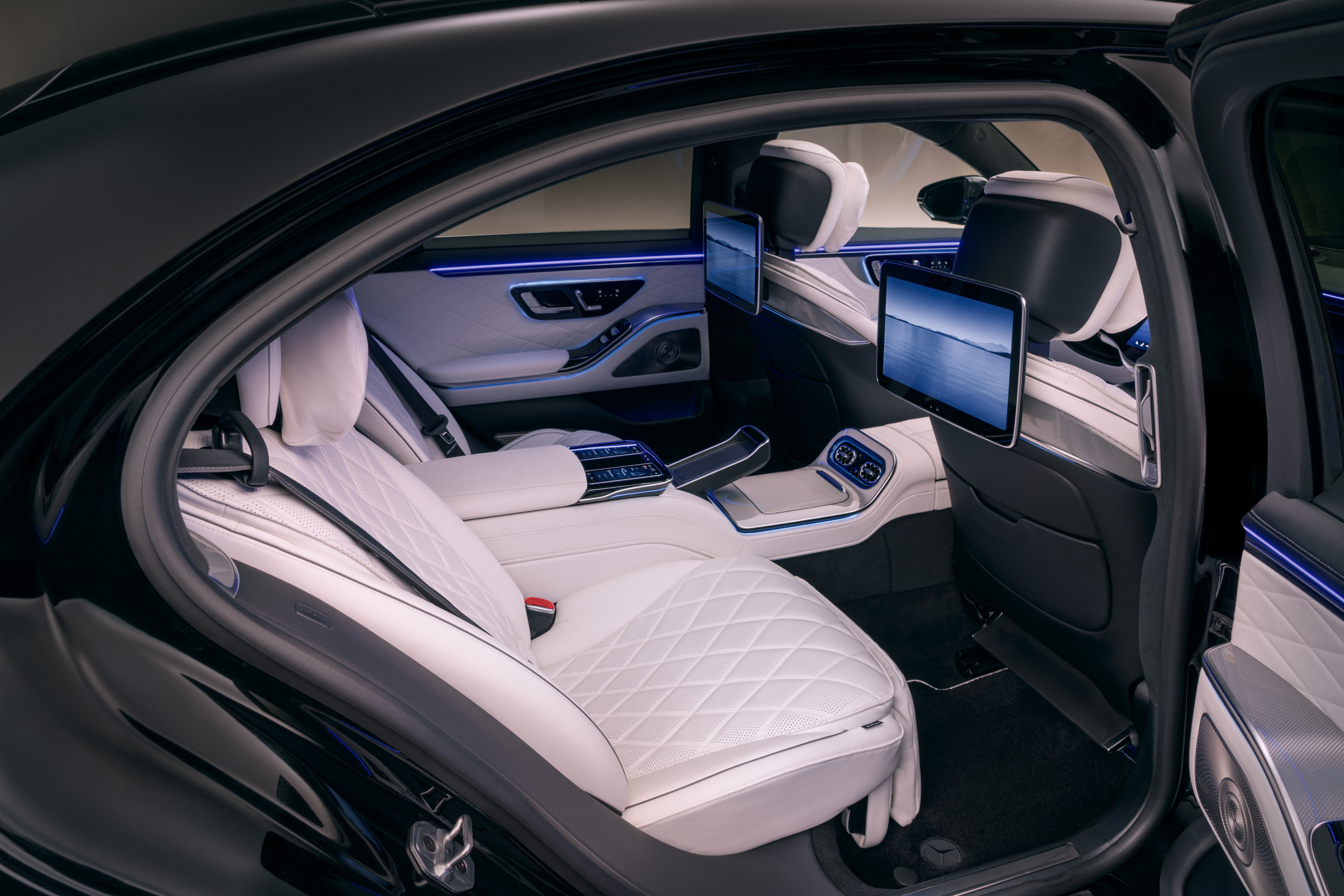
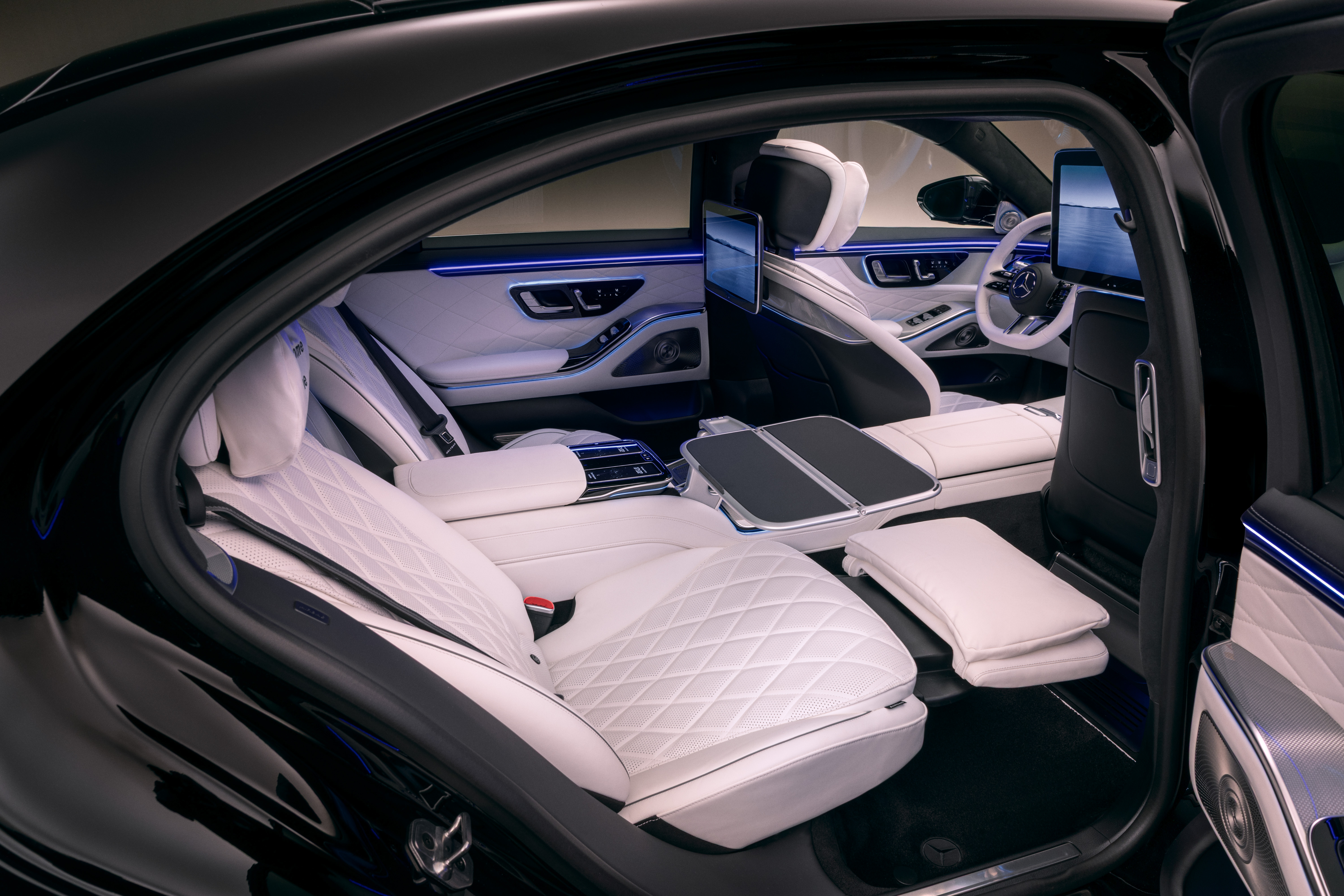
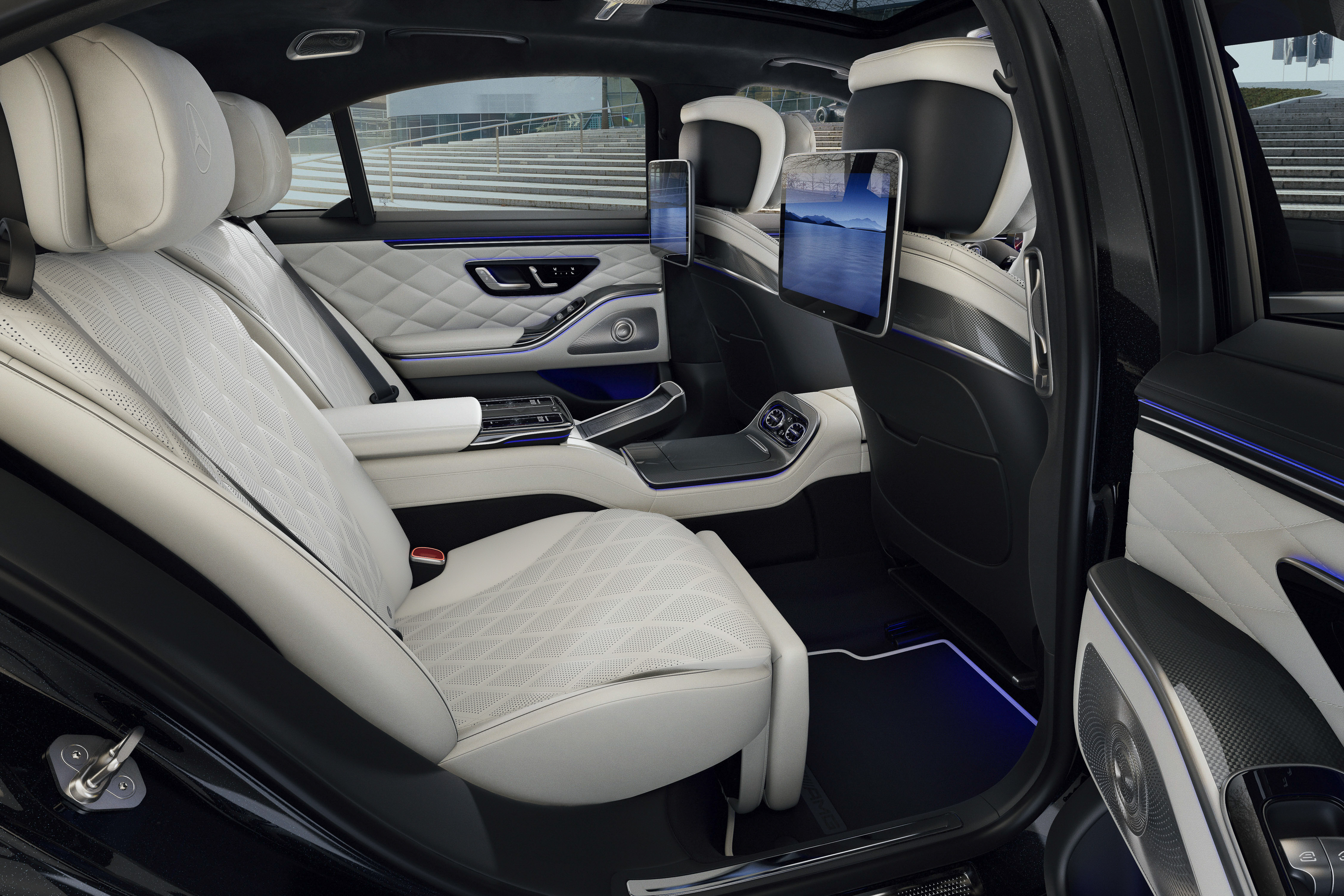
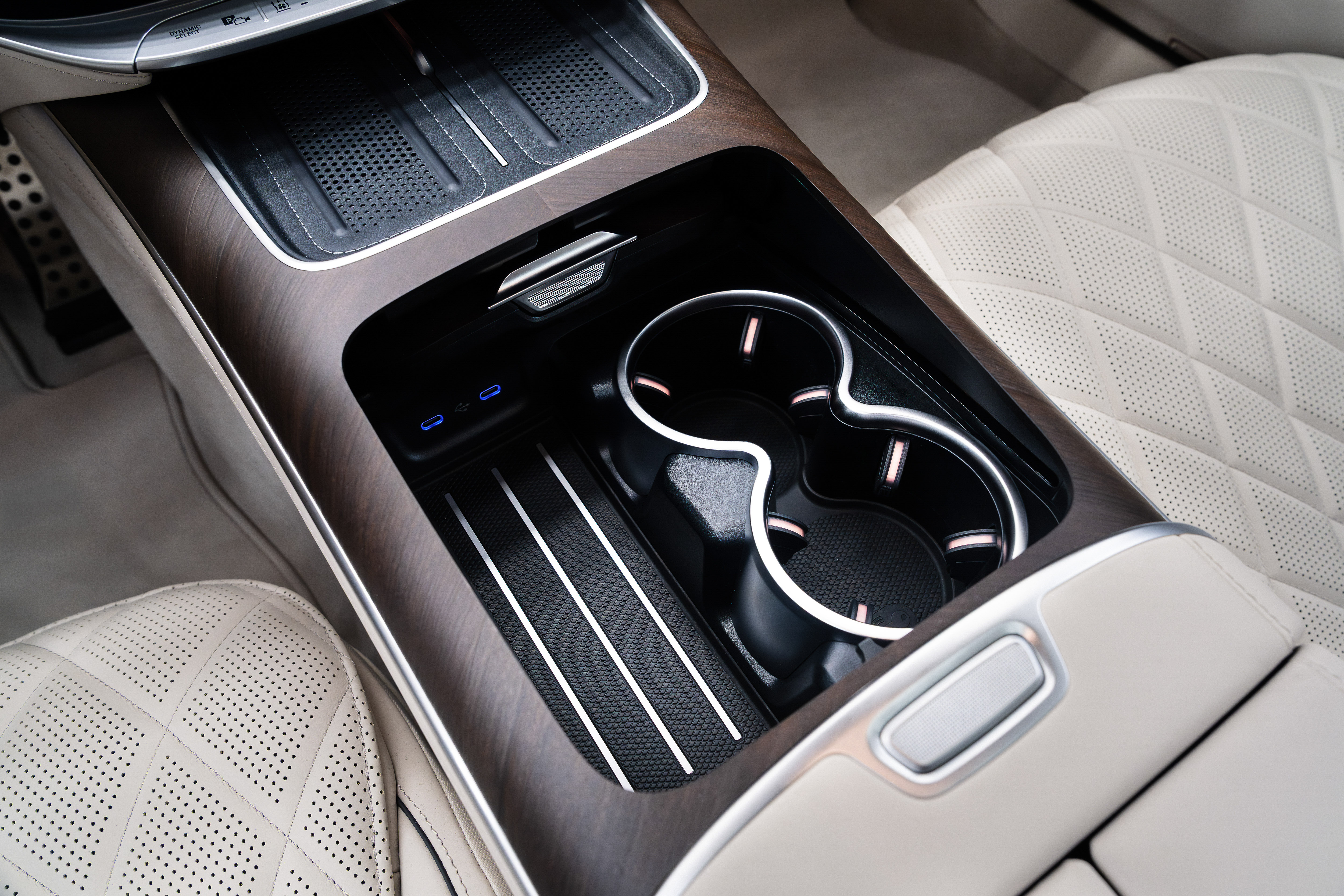
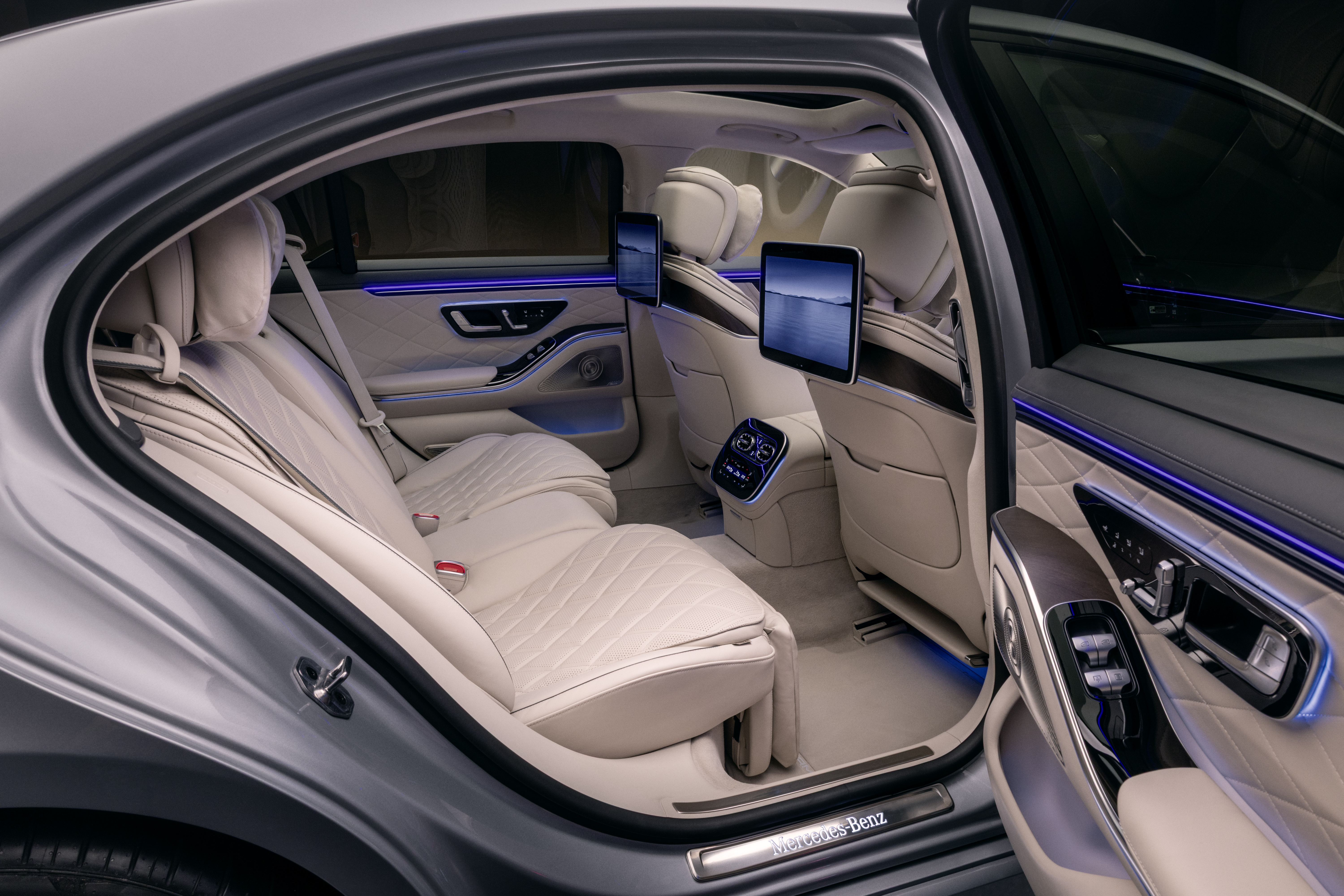
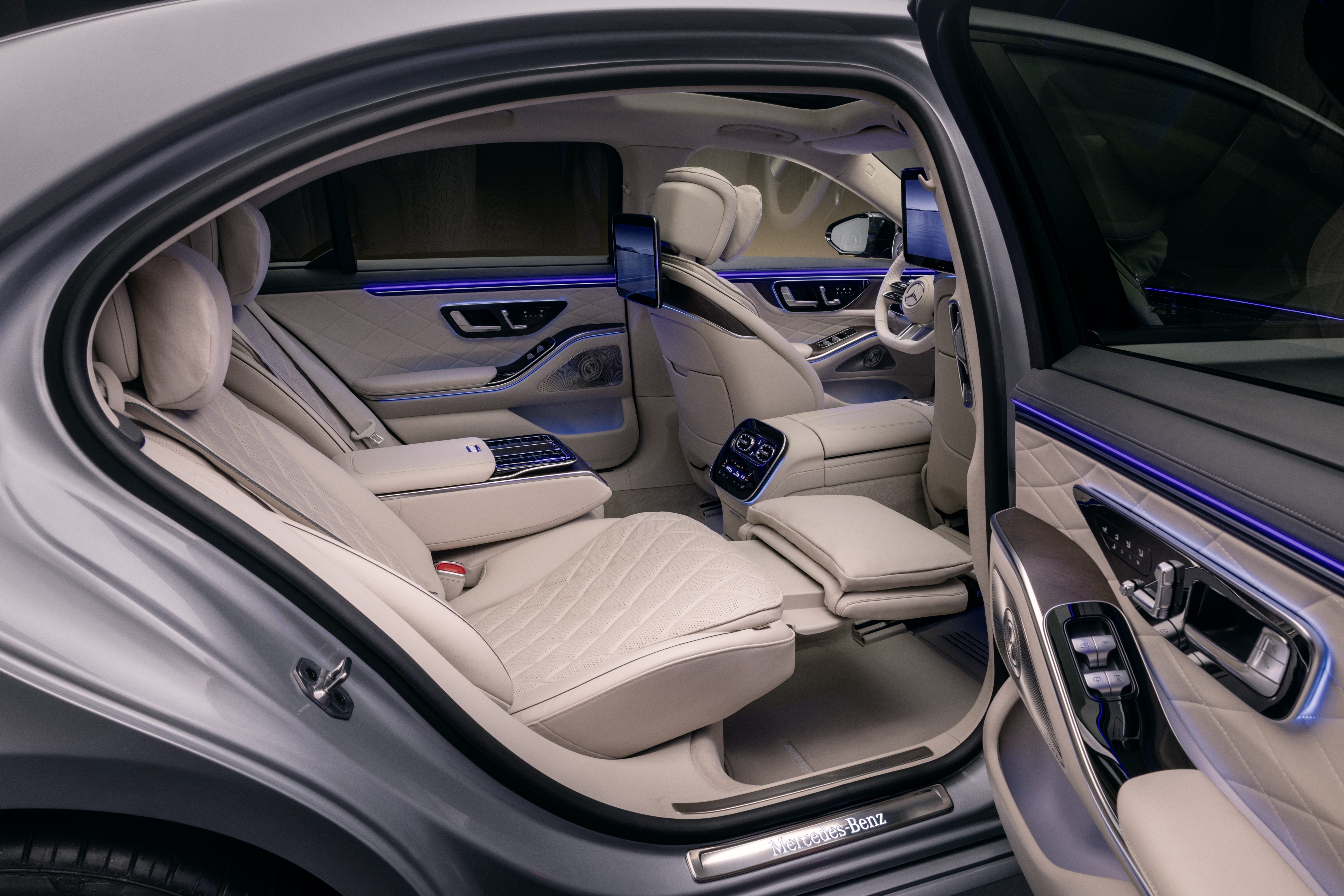
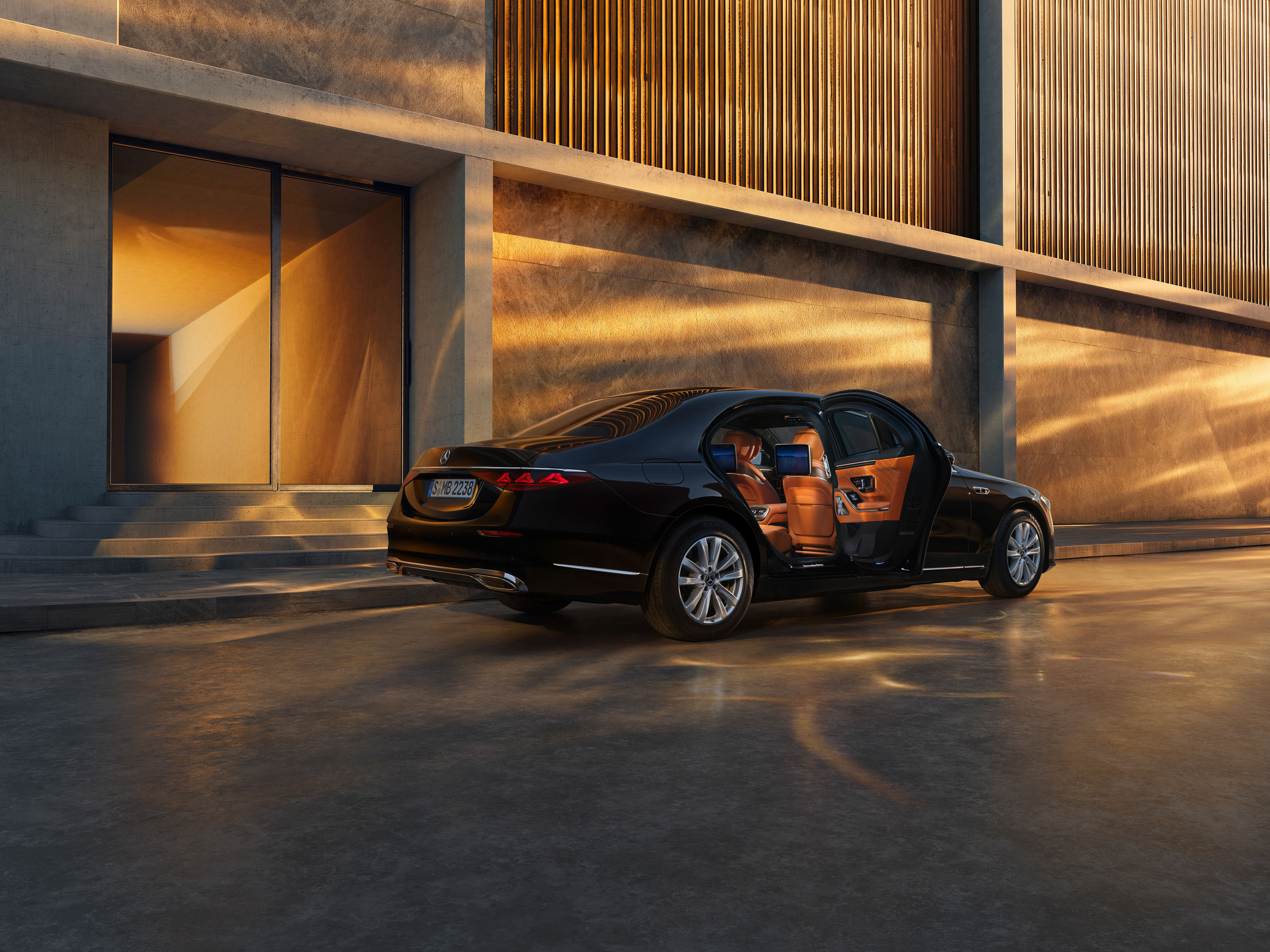
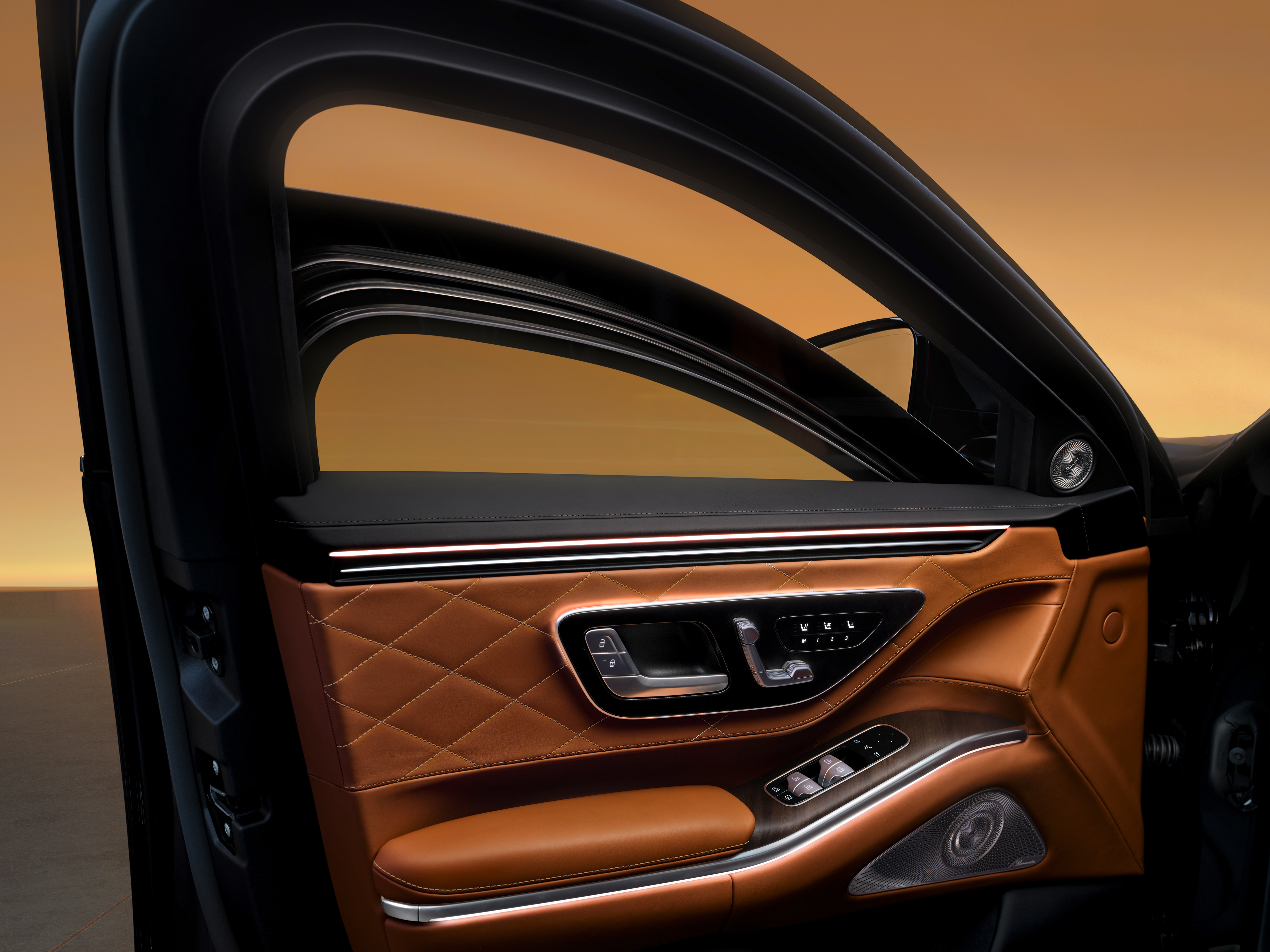
The long-wheelbase model can be configured with a four-seat First-Class rear compartment and full-length center console. Folding tables create a workspace, while refrigerated storage and temperature-controlled cupholders reinforce the executive-lounge brief.
Two removable MBUX controllers operate climate functions, shades and the 13.1-inch rear displays. Built-in HD cameras support Microsoft Teams, Zoom and Webex video conferencing, making the rear compartment a credible mobile office rather than simply a place to watch movies.
Elsewhere, Mercedes has added heated seat belts capable of reaching 44 degrees Celsius, electrically controlled air vents and a new filtration system designed to remove extremely fine airborne particles.
V8 Power Isn’t Gone
Despite the S-Class’s increasing reliance on software and electrification, Mercedes is keeping a broad range of combustion powertrains.
At the top of the conventional range, the S 580 4MATIC uses an updated M177 Evo V8 producing 537 hp and 750 Nm of torque. Changes include a revised injection system, intake and exhaust work, turbocharger revisions and a flat-plane crankshaft.
Six-cylinder gasoline and diesel engines remain available, as does a plug-in hybrid with approximately 100 kilometers, or 62 miles, of electric range. The gasoline and diesel engines incorporate a 17-kW integrated starter-generator and 48-volt electrical system.
AIRMATIC air suspension remains standard, while E-ACTIVE BODY CONTROL is optional. Both can now use vehicle and cloud-derived information to prepare the dampers for longer speed bumps. Rear-wheel steering is standard at 4.5 degrees, with a 10-degree system optional; on the long-wheelbase car, the latter can cut the turning circle by nearly two meters.
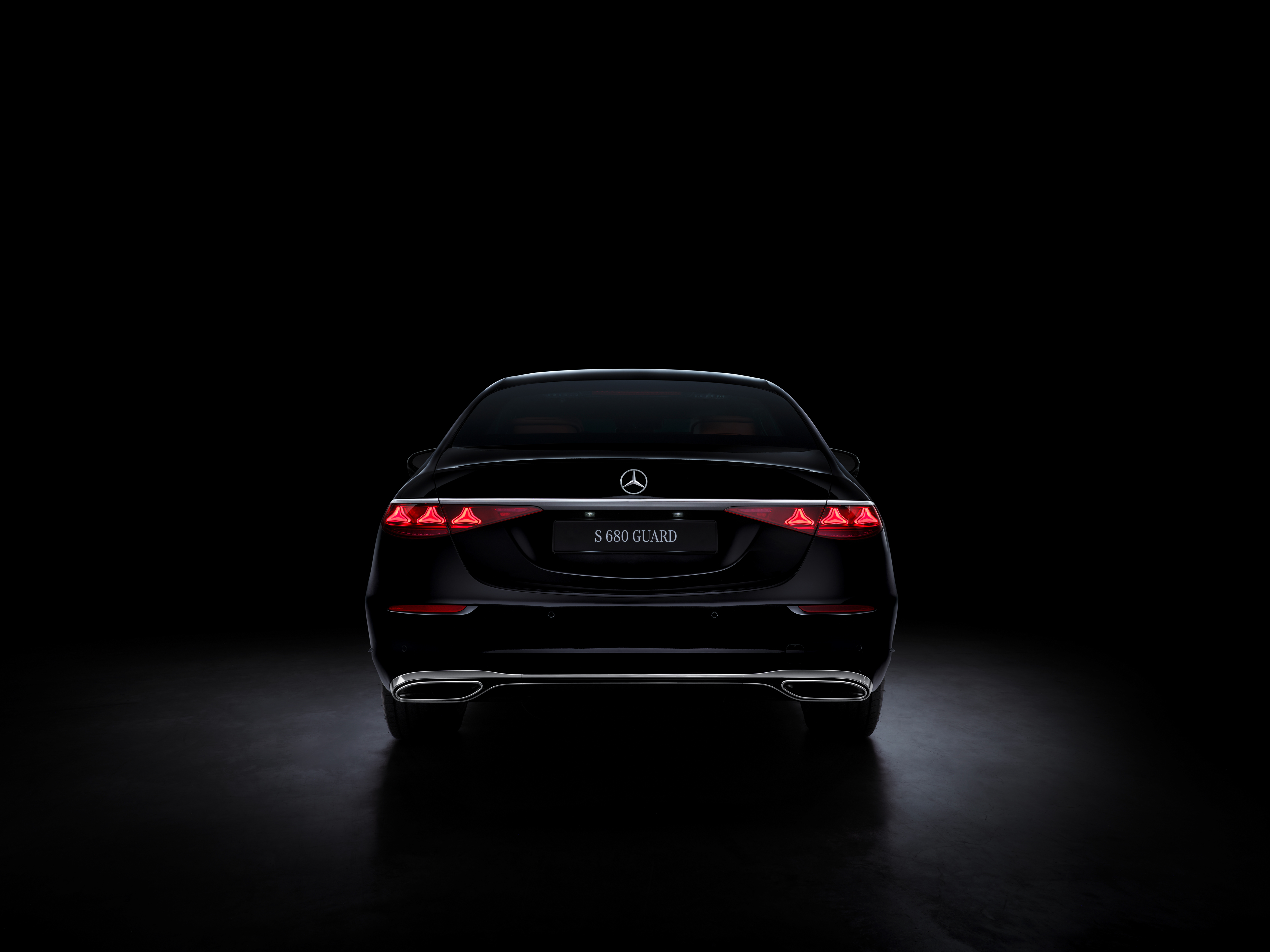
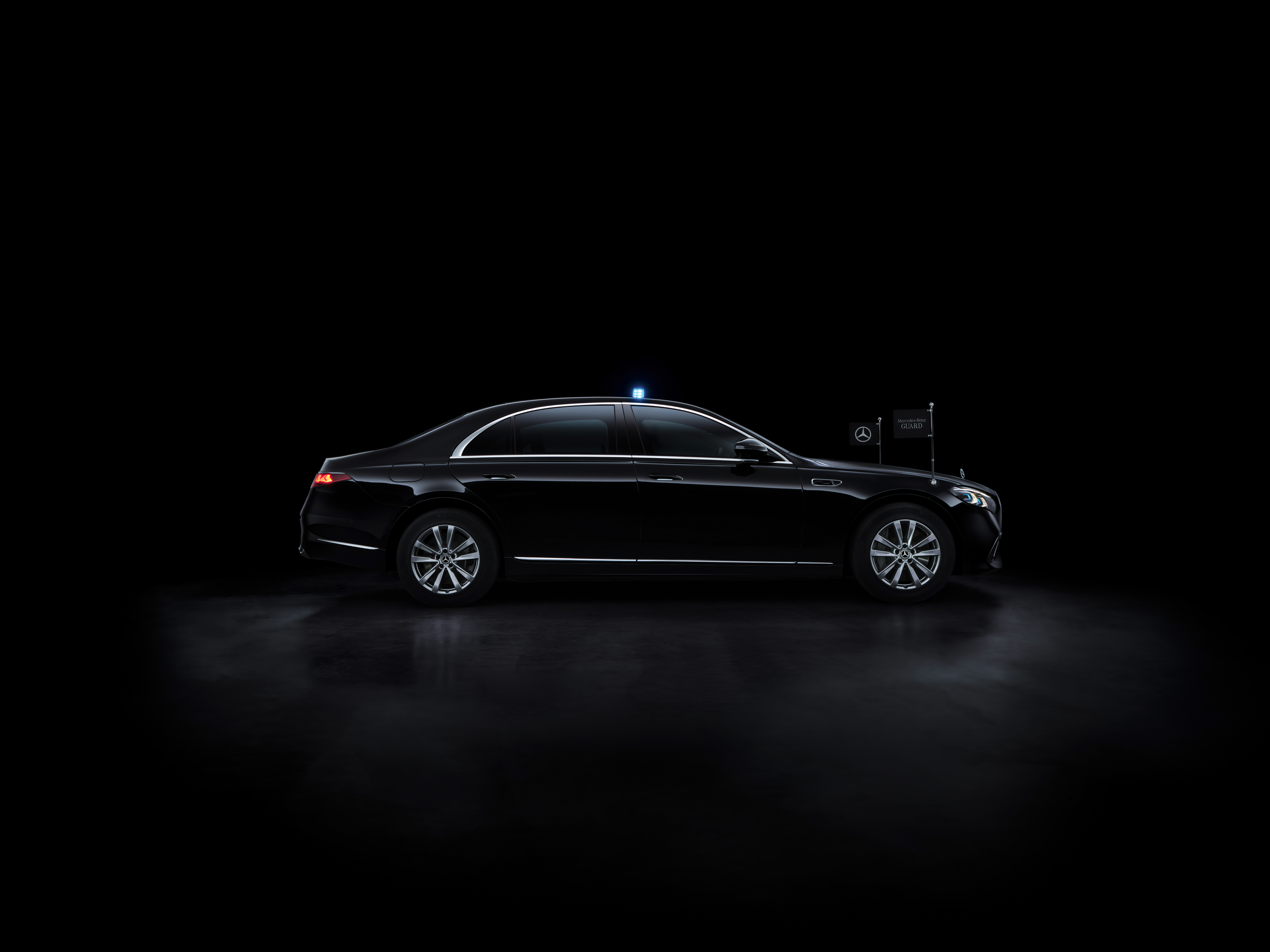
Mercedes is also expanding the other end of the S-Class spectrum. The S 680 GUARD 4MATIC pairs a 6.0-liter V12 biturbo engine with certified VR10 ballistic protection, the highest civilian protection level cited by Mercedes.
The S-Class has historically served as the place where Mercedes introduces technology before it filters into less expensive models. That makes this unusually extensive update worth watching beyond the relatively small world of six-figure luxury sedans.
The illuminated star may be what people notice first. The new operating system, computing architecture and increasingly software-defined cabin are more likely to tell us where Mercedes is headed next.