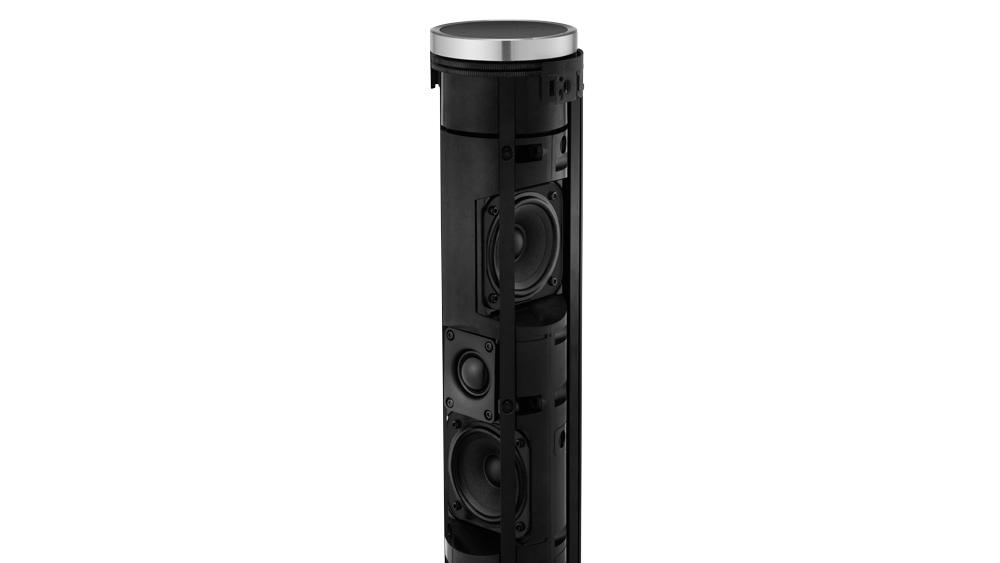
When you live with something as unapologetically bold as a G-Class, you become sensitive to design that stands on its own. Form follows feeling. Which is why, when I first saw the Bang & Olufsen Beolab 28, I knew I wanted them before I ever heard a note.
They look more like architecture than audio. Slim columns of aluminum and oak that seem to float, rising above their conical bases as if levitating on sound itself. There are no hard edges, no hint of conventional loudspeaker design. They feel alive, ready to wake at the slightest invitation.
They look more like architecture than audio
The first time I turned them on, they did exactly that. The curtains – Bang & Olufsen’s signature wooden covers – opened slowly, like a stage before a performance. Then came the music. Not from a single point, but from everywhere.
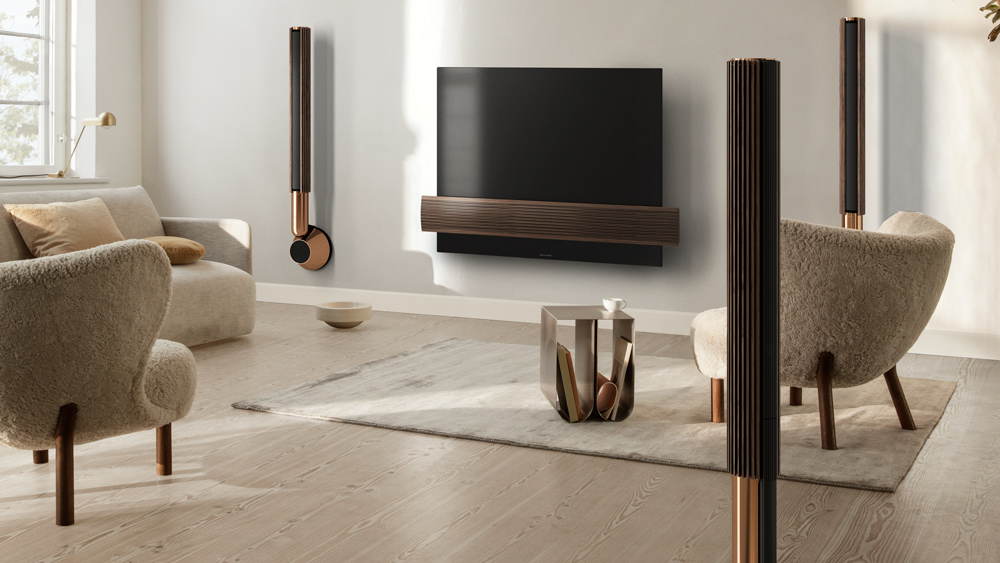
Bang & Olufsen Beolab 28
The Beolab 28s fill a space without overwhelming it. They sound rich and detailed, powerful yet somehow effortless. The bass feels physical but never heavy. Vocals stand out with startling clarity, floating mid-room, while the higher frequencies shimmer with texture. You do not have to find the “perfect” listening spot; the speakers adapt to you. Through their Adaptive Room Compensation technology, they measure the acoustics of your space and shape the sound to fit it – whether tucked into a corner of your living room or standing free beside a wall of windows.
I’ve lived with them long enough now that they feel less like equipment and more like company. On mornings when I start my G-Wagon and head out across the coast, I still hear echoes of last night’s playlist in my head – Coltrane, Lana Del Rey, Miles Davis. When I return, the Beolab 28s are waiting. I step inside, the room recognizes me, and the speakers awaken.
The speakers adapt to you, measuring the acoustics of your space and shaping the sound to fit it
Bang & Olufsen has always understood that design and performance are not opposing ideas. Since 1925, they’ve been crafting audio that appeals as much to the eyes as to the ears. The Beolab 28 continues that tradition, merging advanced wireless engineering with materials that feel timeless. Every piece of wood is sourced from a family-owned Danish mill that has worked with the company since 1949. The aluminum is anodized in-house, a finish so smooth it catches light like liquid.
They are as sustainable as they are sophisticated. The internal module that powers them can be upgraded in the future, meaning the technology evolves without the product becoming obsolete. It is a rare thing in a world obsessed with replacement – a product meant to stay.
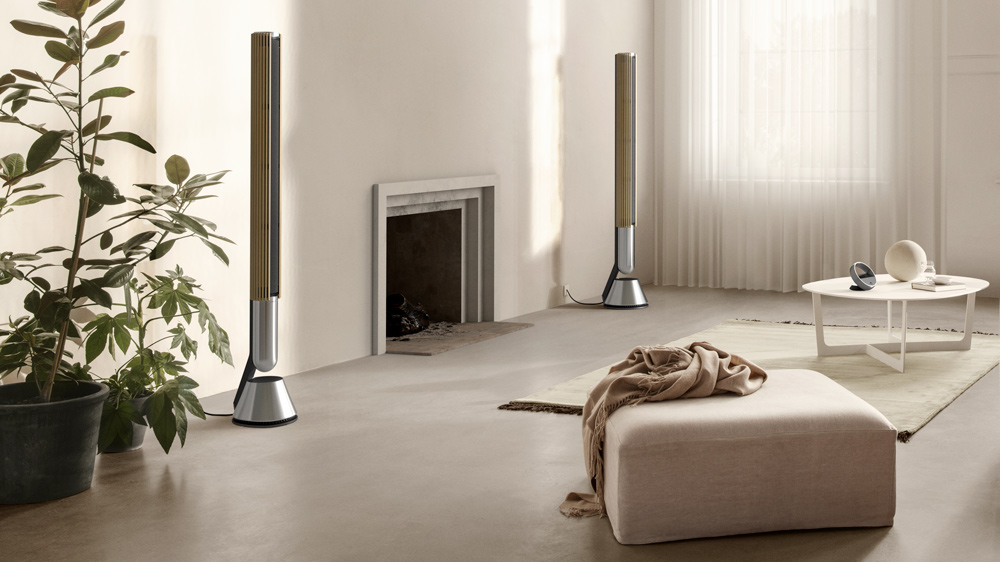
Bang & Olufsen Beolab 28
There is also something deeply tactile about them. You can stream through AirPlay, Chromecast, or Bluetooth, but I prefer to scroll through the Bang & Olufsen app late at night, cue up a vinyl transfer, and let the room come alive. The speakers are rated at 110 decibels of power, but it is not loudness that impresses me – it is precision. Every detail, every instrument, every breath between notes feels intentional.
Owning the Beolab 28 is a bit like owning a G-Class. Both are objects of performance and presence, machines that stir emotion. You do not buy them to blend in, you buy them because they make you feel something.
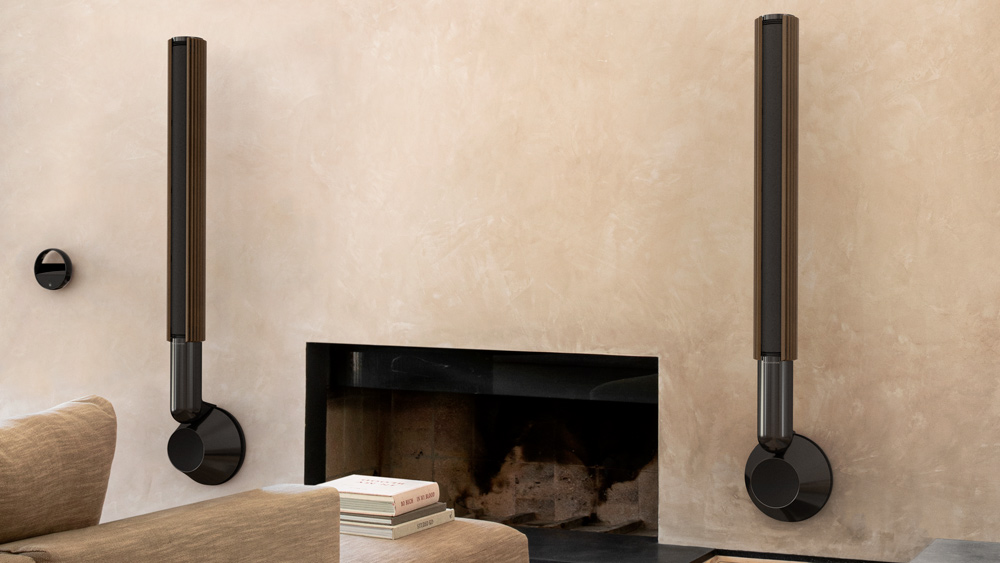
Bang & Olufsen Beolab 28
And that, to me, is the real luxury – the ability to create moments that feel alive every single day.