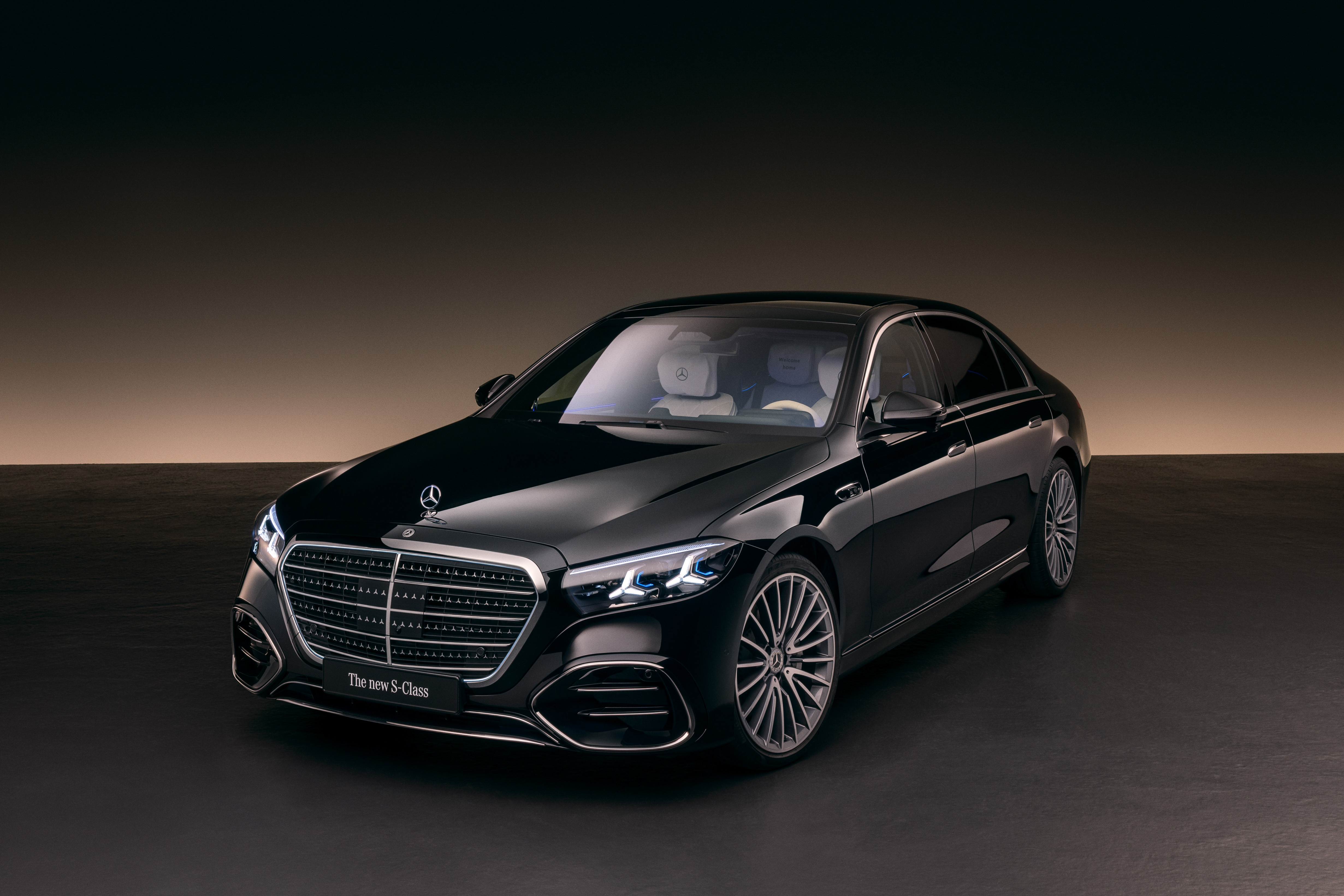
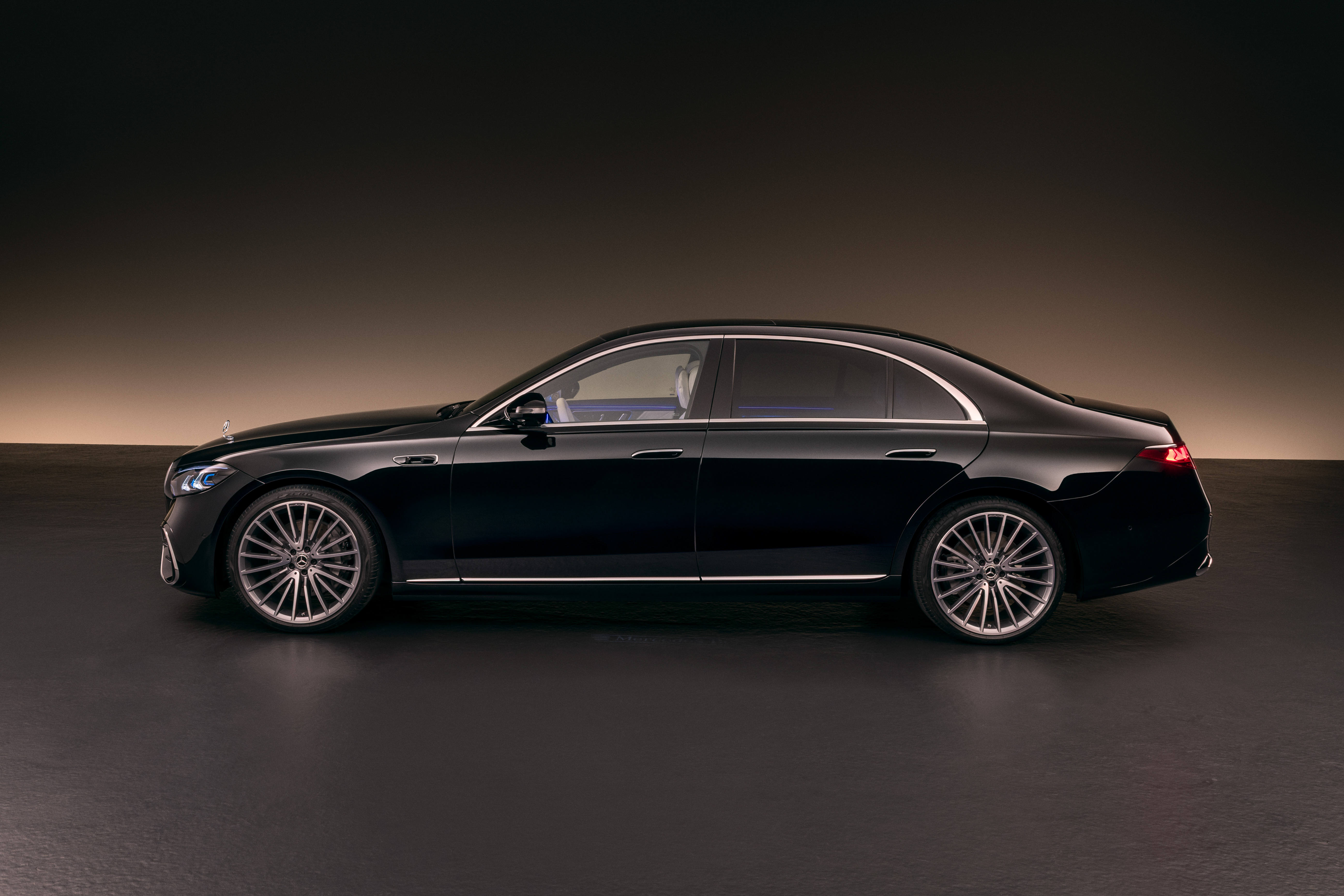
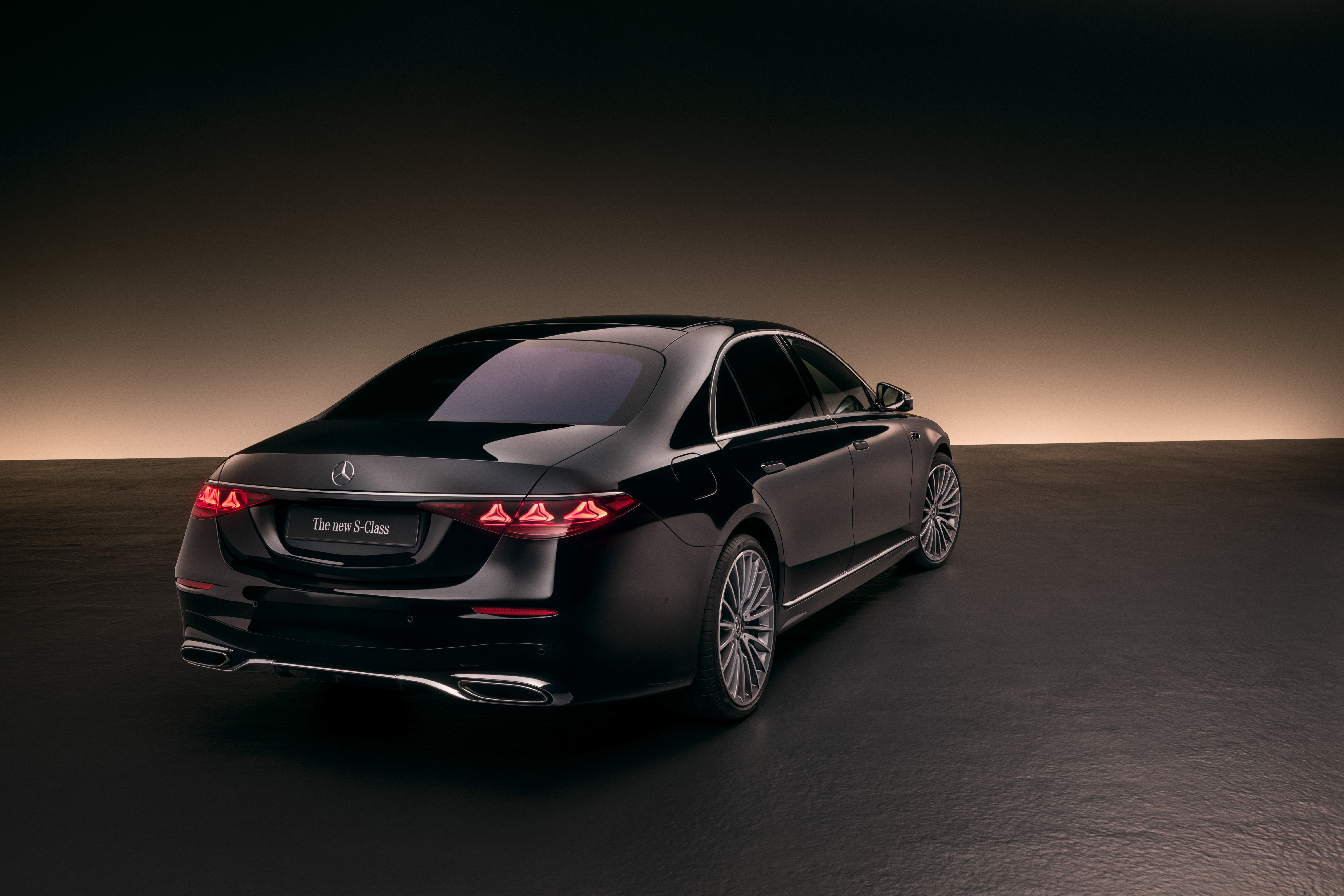
In the long and sometimes theatrical history of luxury sedans, the Mercedes-Benz S-Class has played the role of quiet authority. It does not shout. It does not chase trends. It simply arrives, adjusts the industry’s expectations, and waits for everyone else to catch up. With the newly updated S-Class, Mercedes is doing something subtly radical. It has rewritten more than half the car without changing its personality, a bit like renovating a grand old house and somehow making it feel even more like home.
Mercedes likes numbers, and one matters here. More than 50 percent of this S-Class has been newly developed or reworked. That translates to roughly 2,700 components touched by engineers, designers, and software teams who clearly had permission to go deep rather than merely cosmetic. The result is not a reinvention but a sharpening, an S-Class that feels more itself than ever.
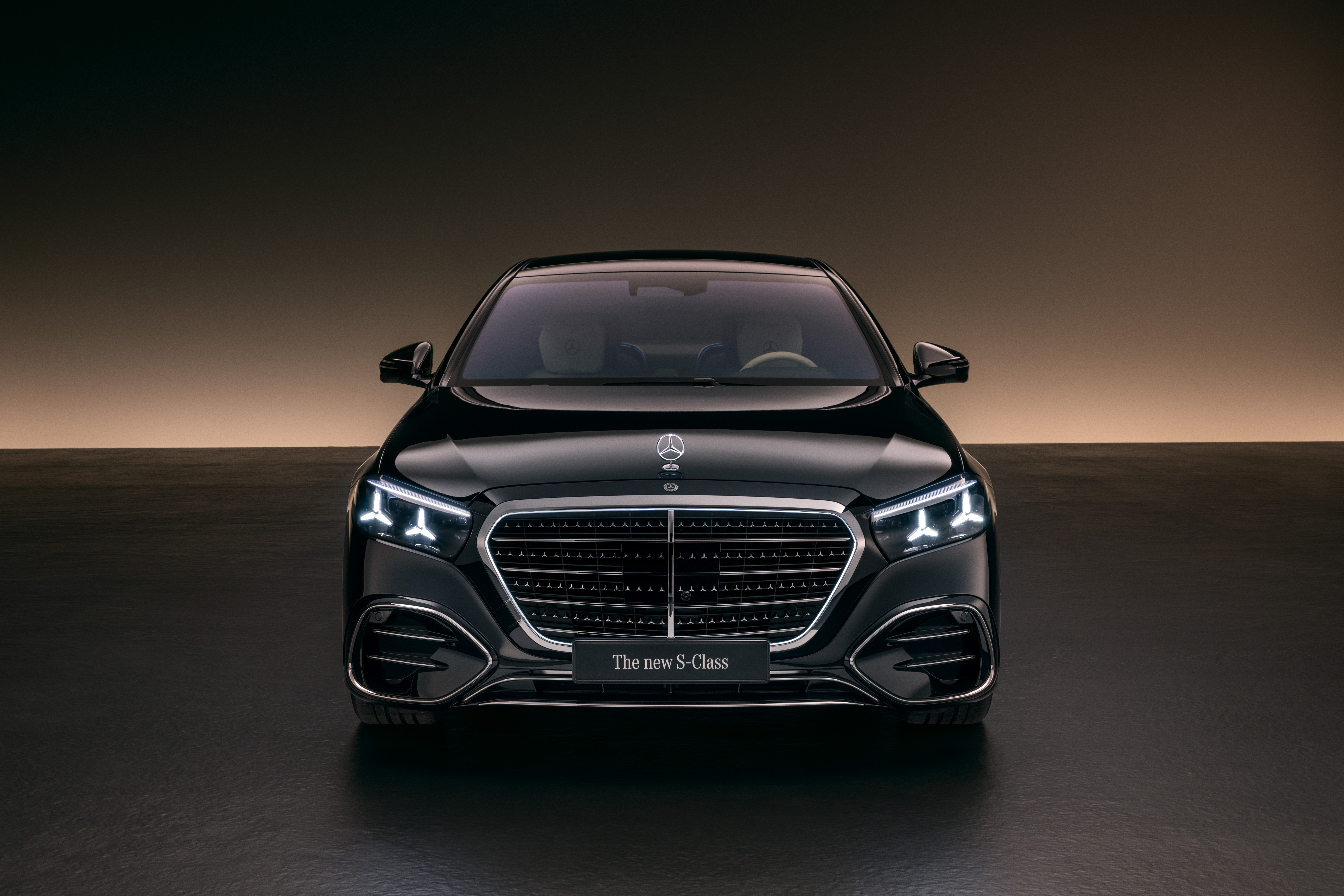
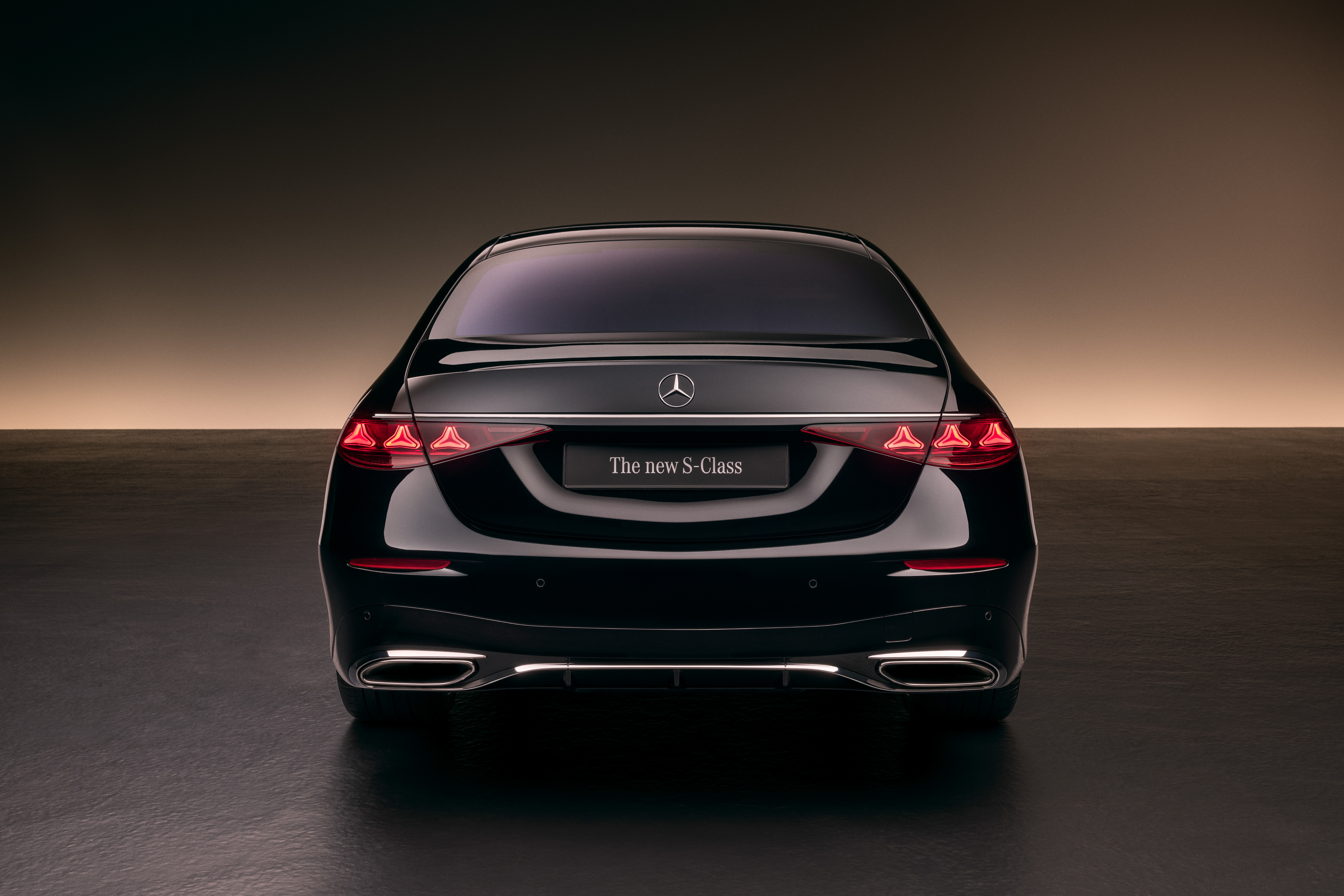
From the outside, the changes announce themselves politely but firmly. For the first time, buyers can specify an illuminated Mercedes star on the hood, a move that feels inevitable in retrospect. The grille is larger, brighter, and framed by a new light signature that makes the car instantly recognizable at night. The effect is stately rather than flashy, the automotive equivalent of excellent posture. You notice it because it looks correct.
The headlamps deserve special mention. Mercedes’ latest DIGITAL LIGHT system uses micro-LED technology to project a wider and sharper field of illumination, extending visibility to distances that feel almost theatrical on empty roads. The system adapts constantly, shaping light around corners, road users, and changing conditions. It is less about brightness than intelligence, a theme that runs throughout the car.
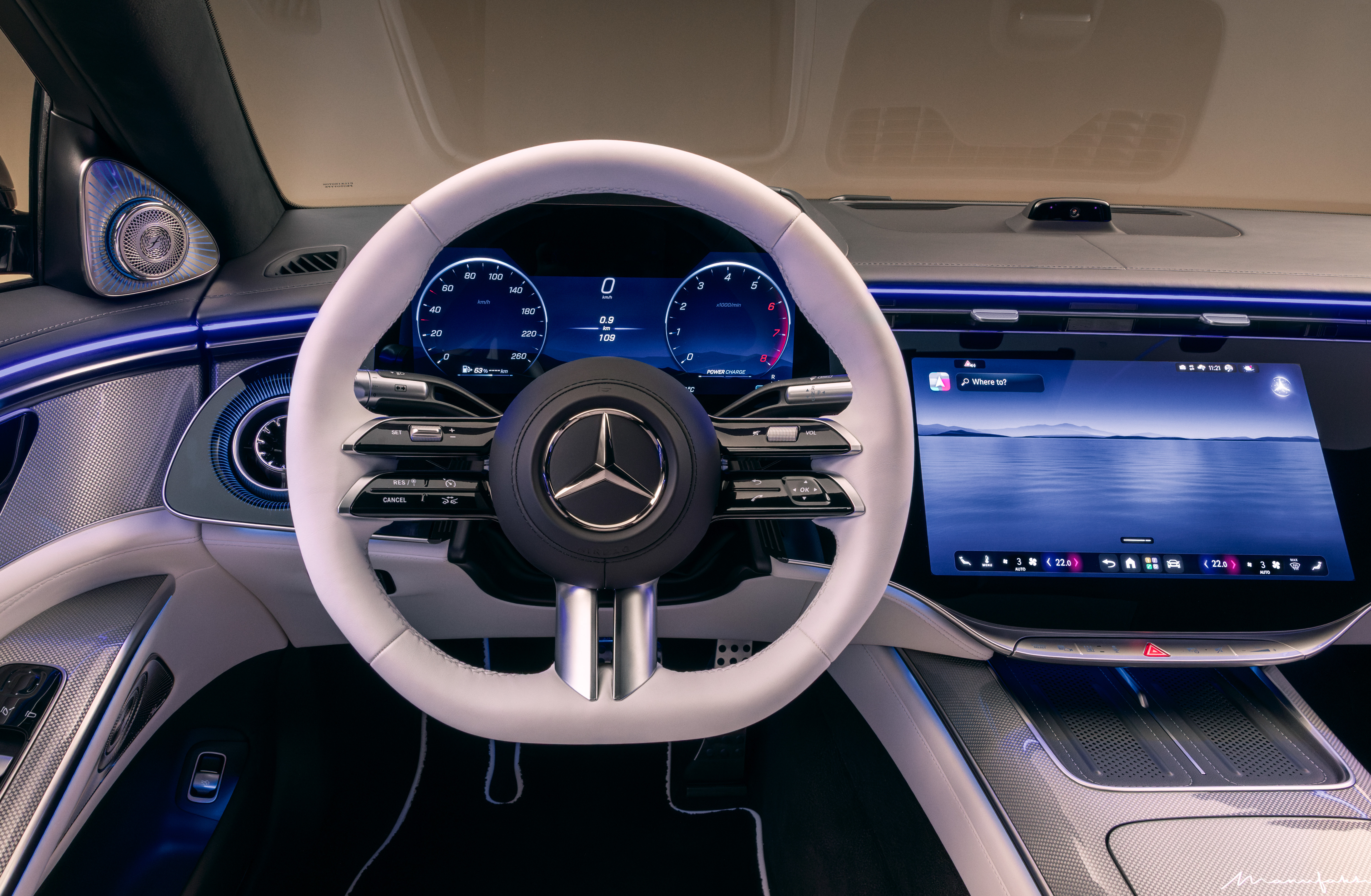
That intelligence begins with what Mercedes calls MB.OS, a new operating system that acts as the S-Class’s digital spine. In practice, it means the car behaves less like a collection of systems and more like a single thinking organism. Driver assistance, navigation, entertainment, and even future features are tied together and updated over the air. The S-Class no longer ages quietly in your driveway. It evolves.
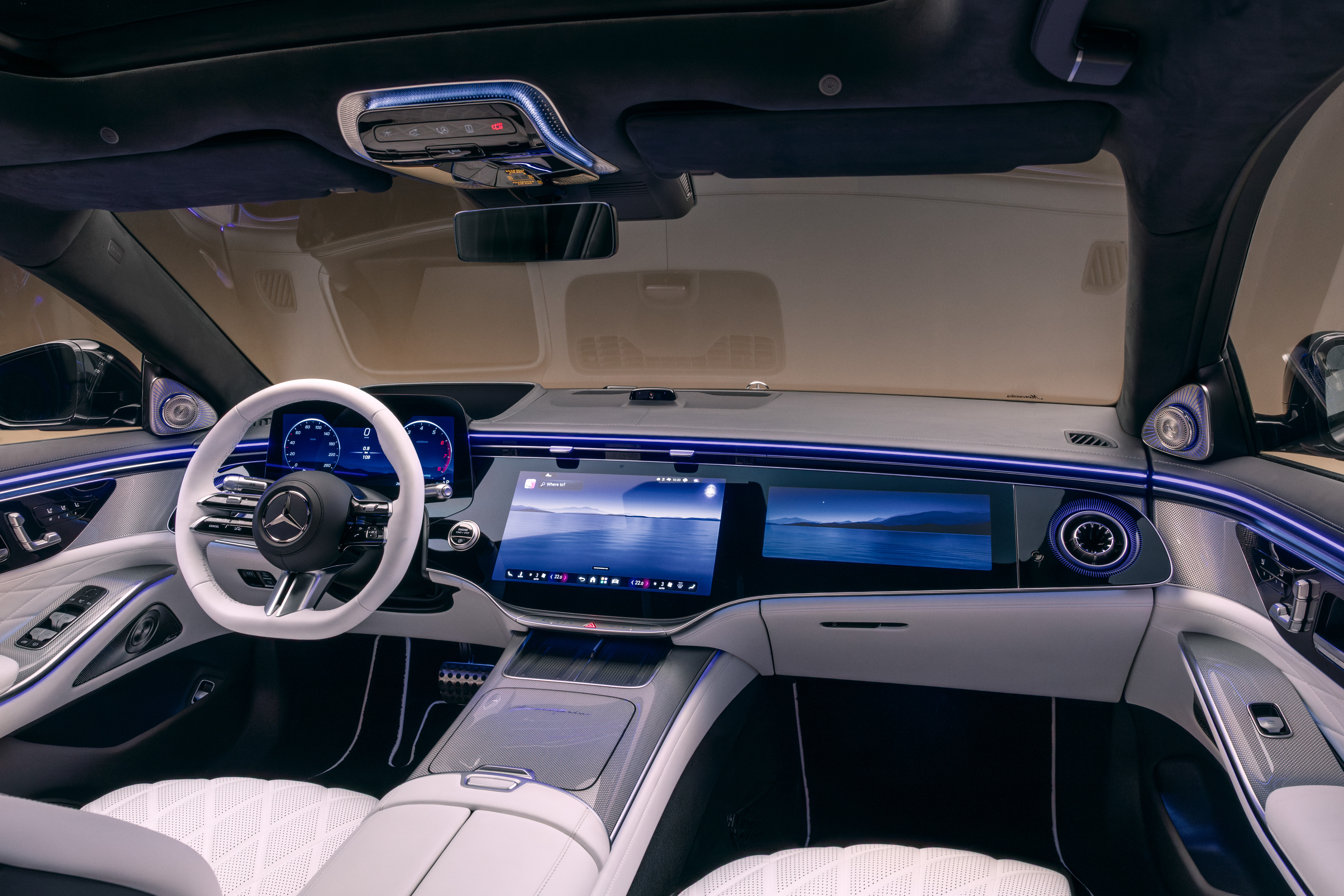
This is most evident in the latest version of MBUX, Mercedes’ infotainment interface, which now leans heavily on conversational artificial intelligence. Saying “Hey Mercedes” feels less like issuing commands and more like speaking to a capable assistant who remembers context and follows a conversation. The interface is calmer, more intuitive, and better organized, which matters when you are traveling at speed in something that weighs well over two tons.
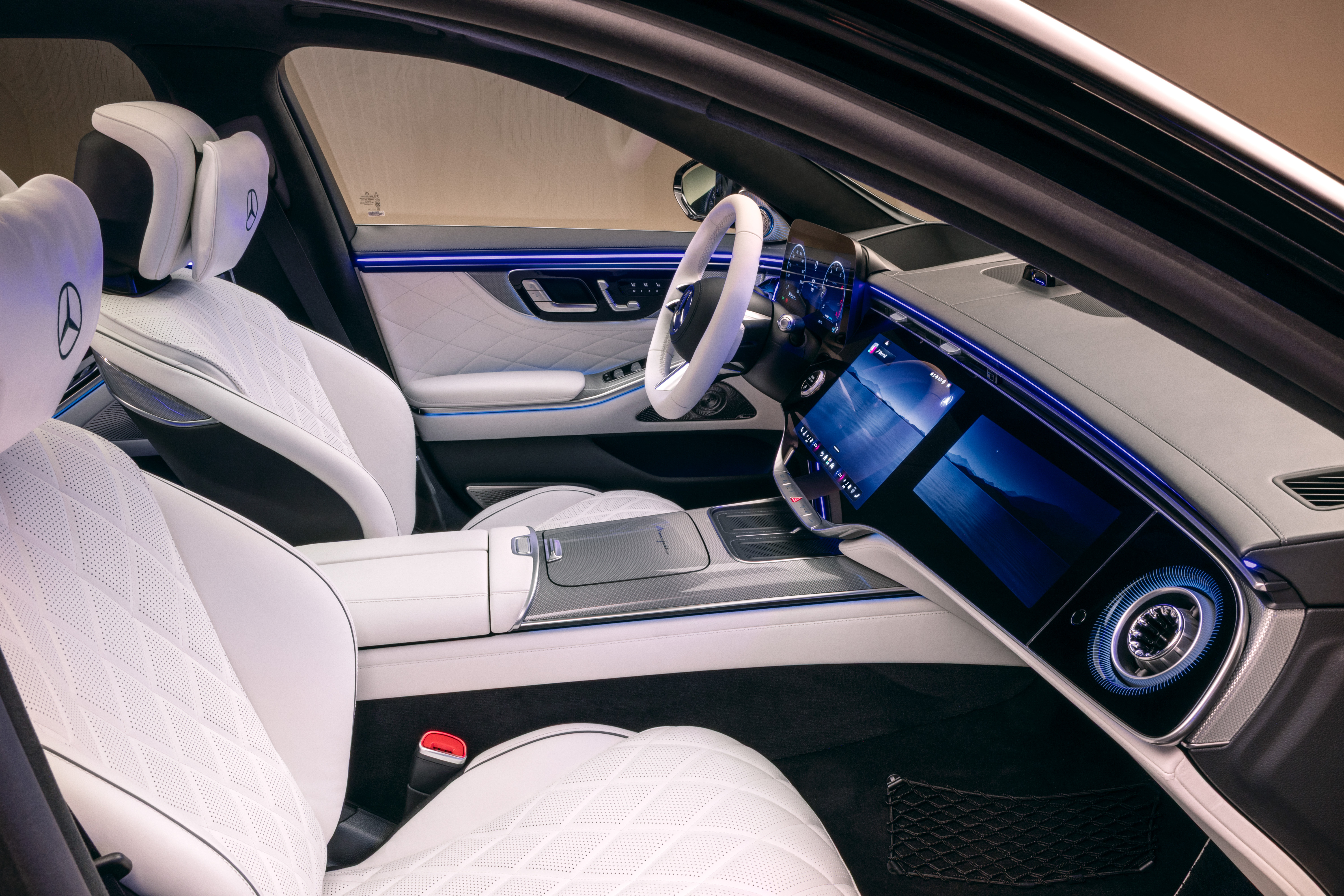
The optional Superscreen stretches across the dashboard beneath a single pane of glass, giving the front passenger their own digital world while keeping distractions away from the driver. Navigation now integrates Google Maps with a layered visual representation of the road ahead, blending real surroundings with digital guidance. In dense cities, it feels like cheating, which is probably the point.
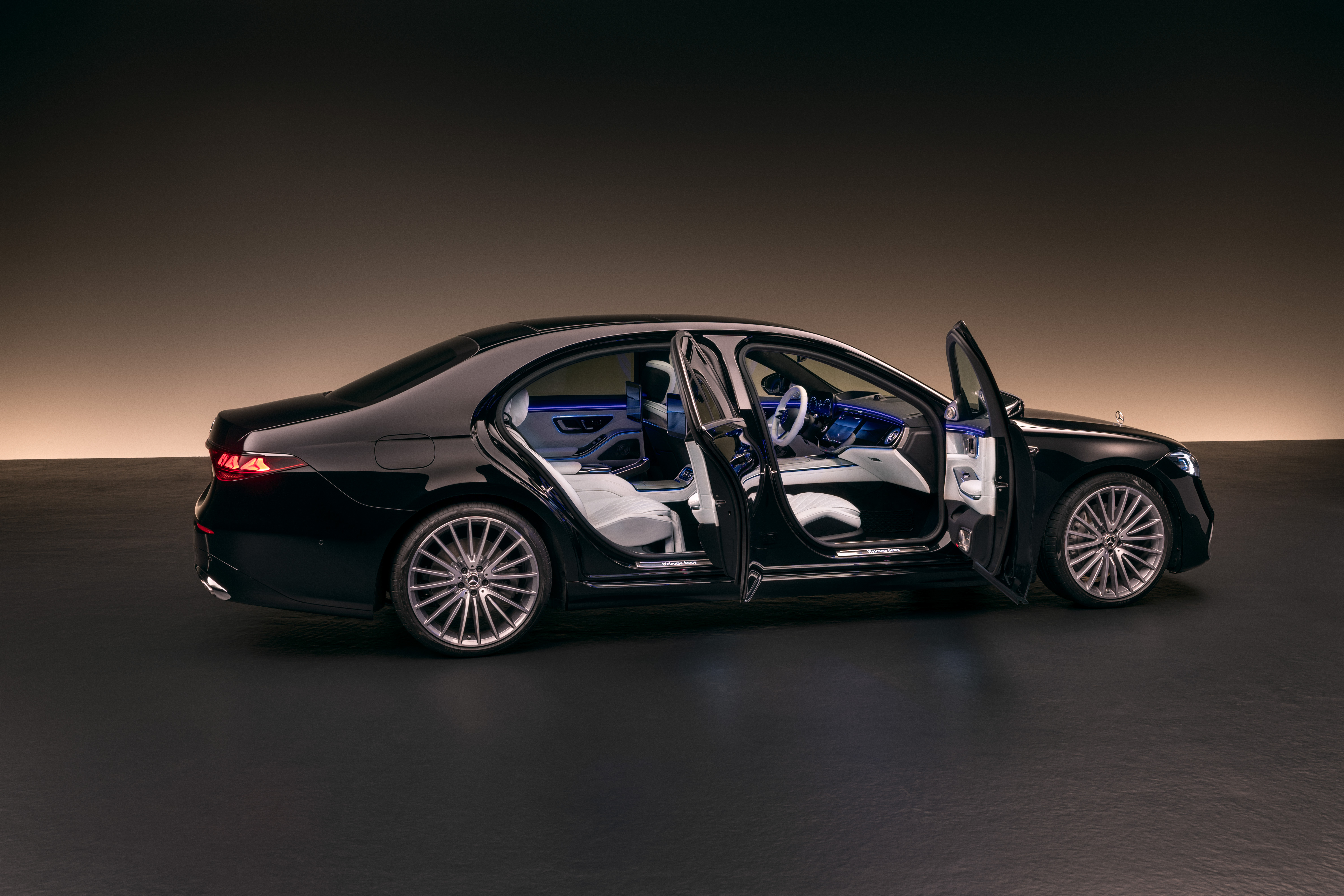
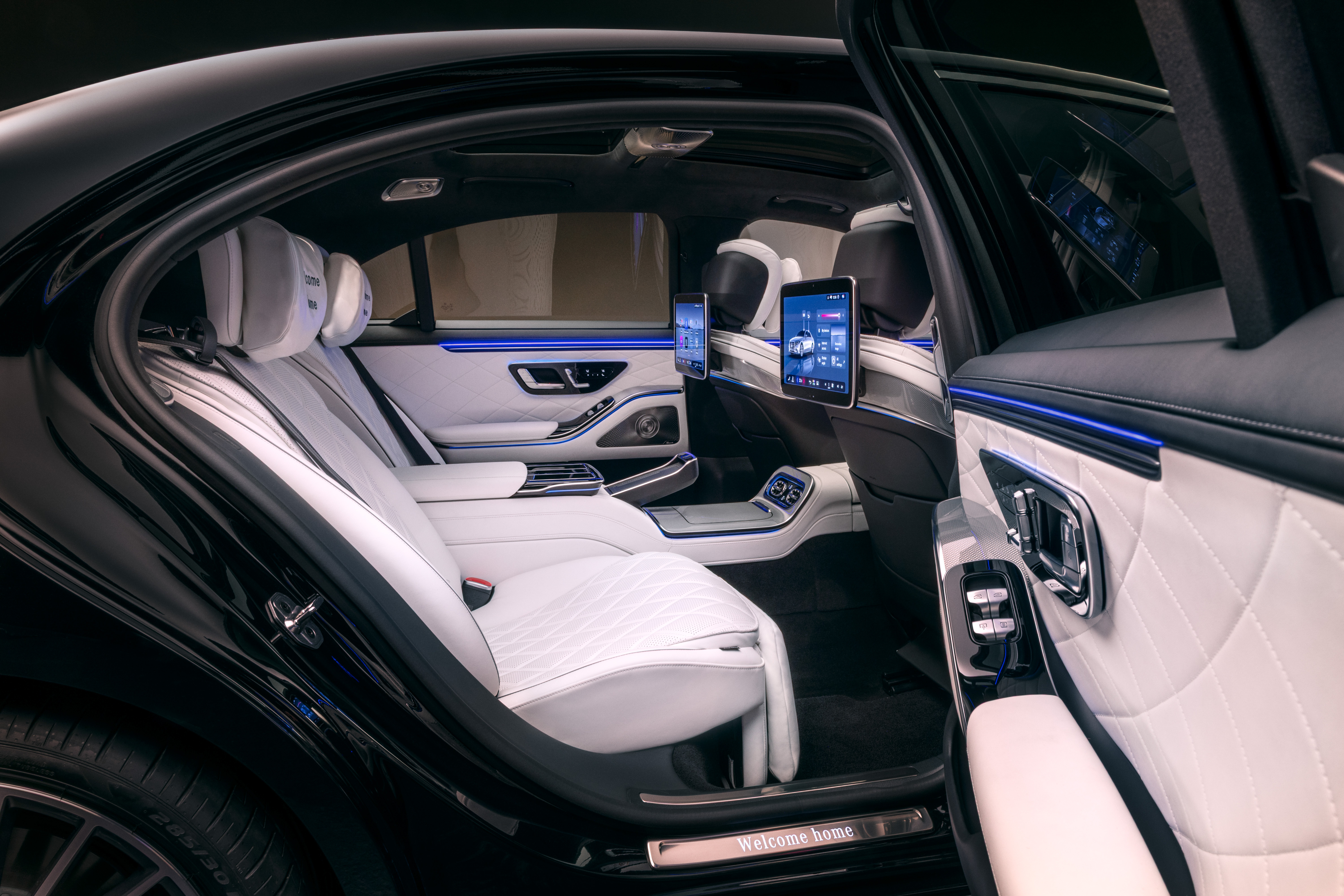
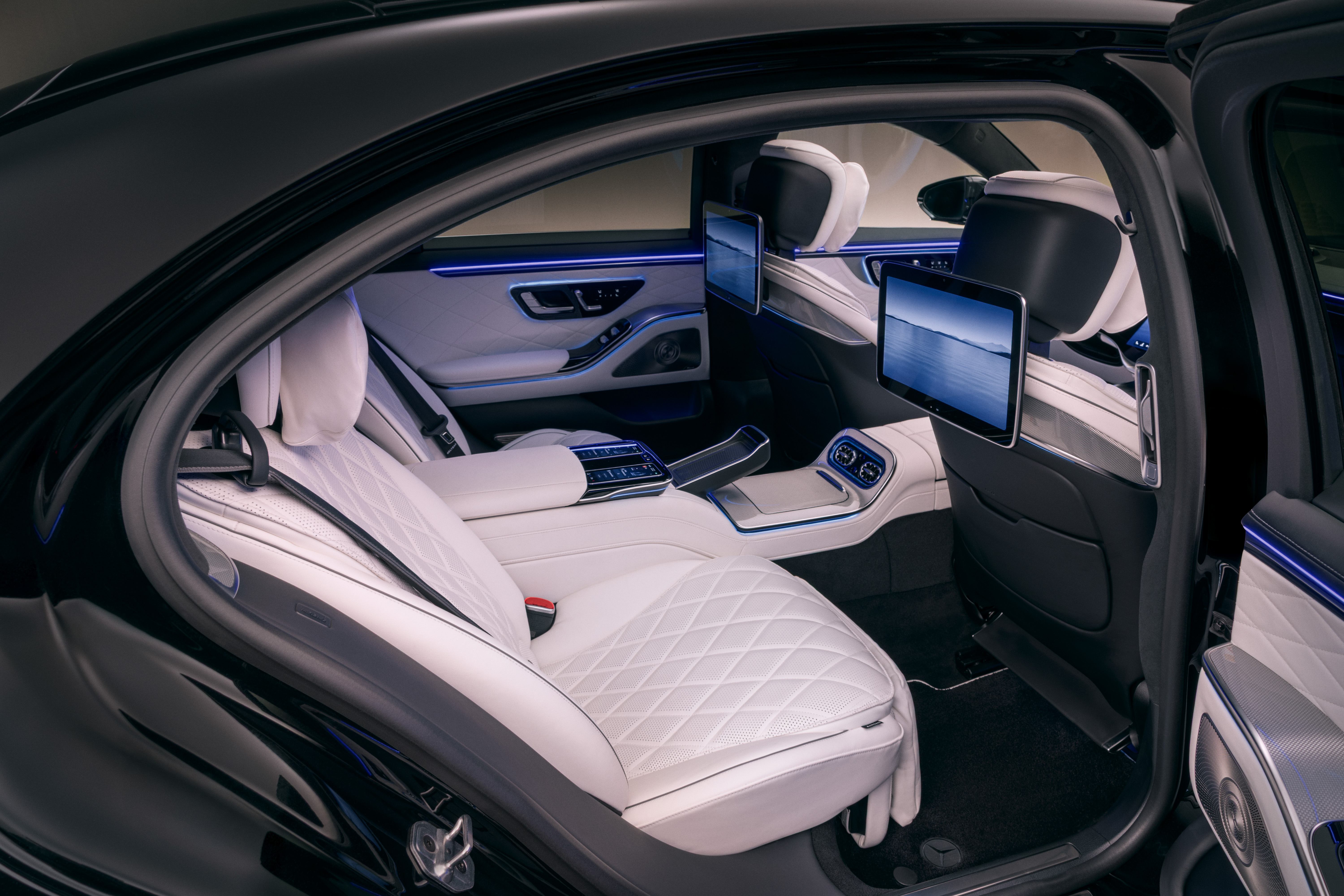
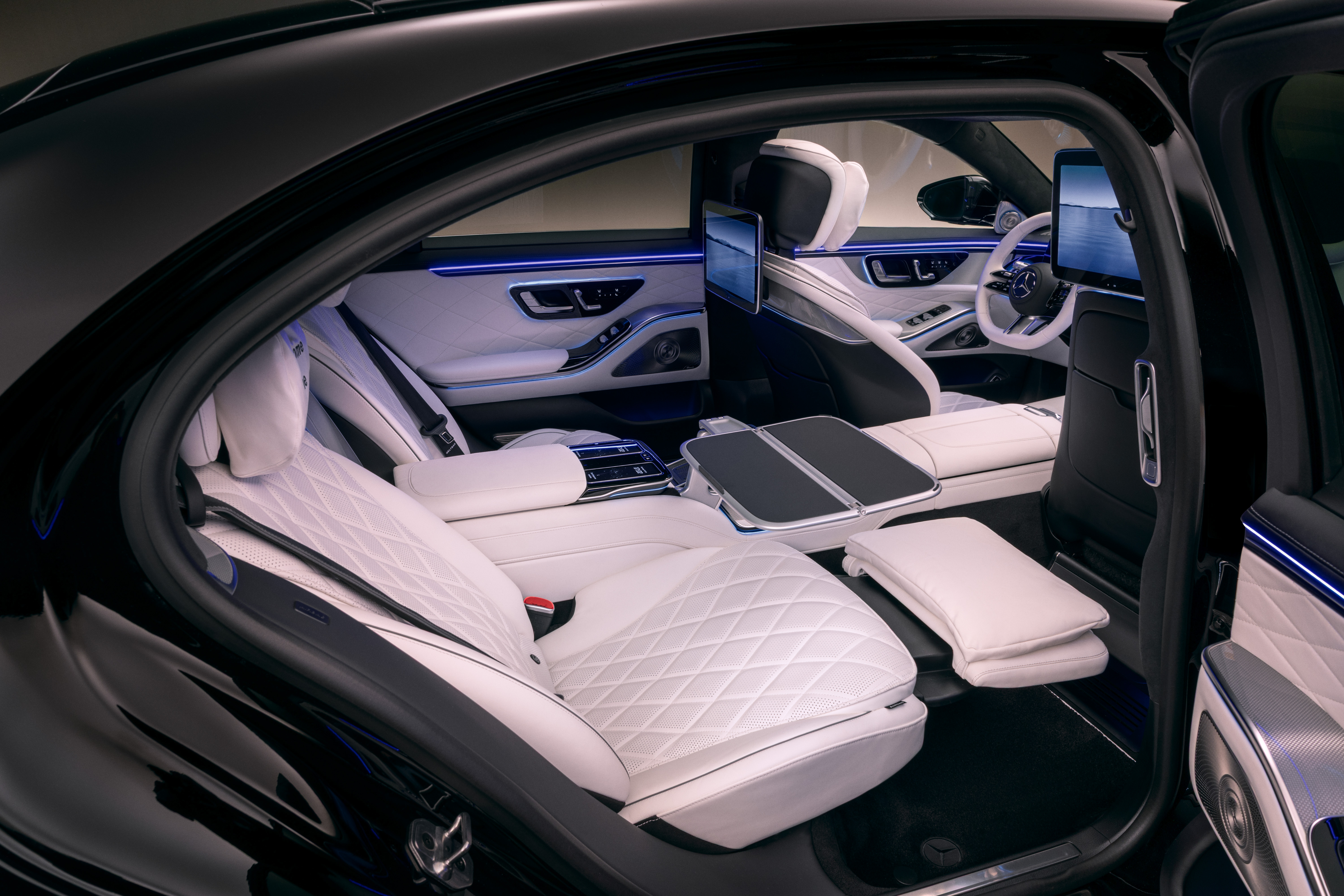
The rear seat remains where the S-Class quietly humiliates most other luxury cars. In its long-wheelbase form with the First-Class rear compartment, the car becomes a rolling study in indulgence and productivity. There are reclining seats, folding tables, chilled cupholders, detachable control tablets, and large rear displays that support video conferencing. Yes, you can join a meeting from the back seat, though whether you should is a question for your therapist, not your automaker.
Comfort extends beyond leather and legroom. Mercedes has added details that sound small until you experience them, such as a heated seat belt that gently warms your chest on cold mornings and an advanced air filtration system that refreshes the cabin every ninety seconds. These are the kinds of features that never make headlines but quietly ruin lesser cars for you forever.
Under the hood, Mercedes has not abandoned tradition, even as it electrifies it. Buyers can choose from updated six- and eight-cylinder engines, diesels, and plug-in hybrids, all supported by a 48-volt mild hybrid system that smooths power delivery and makes start-stop nearly imperceptible. The V8 remains a masterpiece of restraint and muscle, while the plug-in hybrid offers meaningful electric range without sacrificing long-distance comfort.
Ride quality, always an S-Class calling card, has been further refined. The air suspension anticipates road imperfections and adjusts damping proactively, smoothing long speed bumps before passengers even register them. Rear-wheel steering, now standard, shrinks the turning circle enough to make this large sedan feel unexpectedly nimble in parking garages and hotel driveways.
Safety, unsurprisingly, remains exhaustive. The new S-Class can deploy up to fifteen airbags, adjust seat belts preemptively, and even reposition the vehicle in certain crash scenarios. Mercedes has also expanded its armored S-Class GUARD lineup, offering certified civilian protection that would make heads of state feel comfortably anonymous.
Customization rounds out the picture. Through the MANUFAKTUR program, buyers can choose from hundreds of exterior and interior colors, materials, and finishes, with personal consultations available for those who believe restraint is optional. The S-Class can now be tailored with the precision of a Savile Row suit, or a maximalist art installation, depending on taste.
The new S-Class goes on sale in early 2026, with pricing that confirms it is not meant to be democratic. But the S-Class has never been about affordability. It is about leadership. For 140 years after the invention of the automobile, Mercedes is still asking a familiar question: what should a car be capable of now?
This latest S-Class answers with confidence, clarity, and just enough warmth to make you forget how much engineering is humming beneath the surface. It does not beg for attention. It simply welcomes you home.