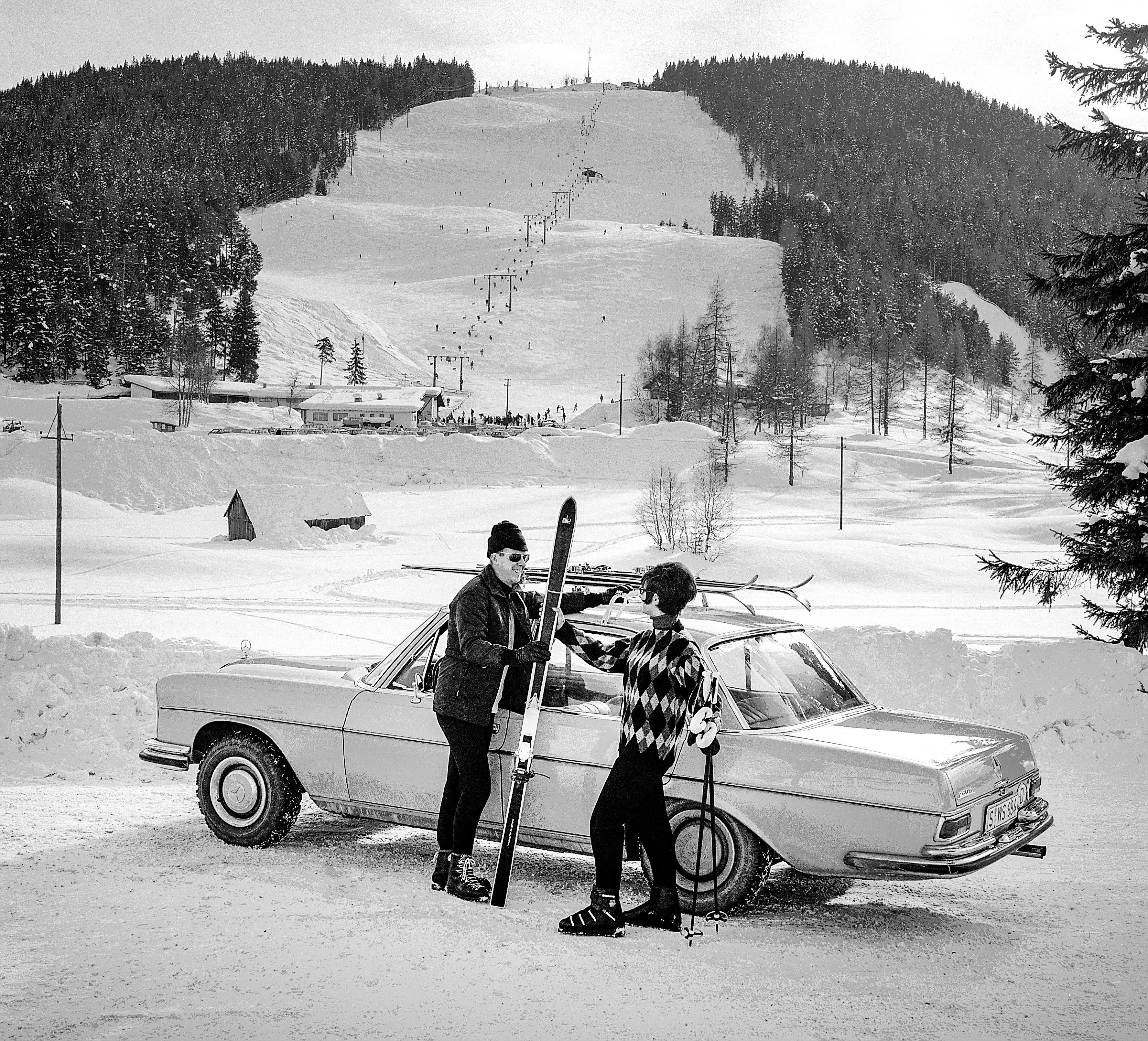
In the summer of 1965, while the Beatles were still promising that help was on the way and Le Corbusier’s modernism was being baked into every glass-and-concrete tower from Stuttgart to São Paulo, Mercedes-Benz quietly slipped something onto the stage in Frankfurt. It was the 108 series, soon joined by the 109, and together they redefined what the German maker meant by luxury.
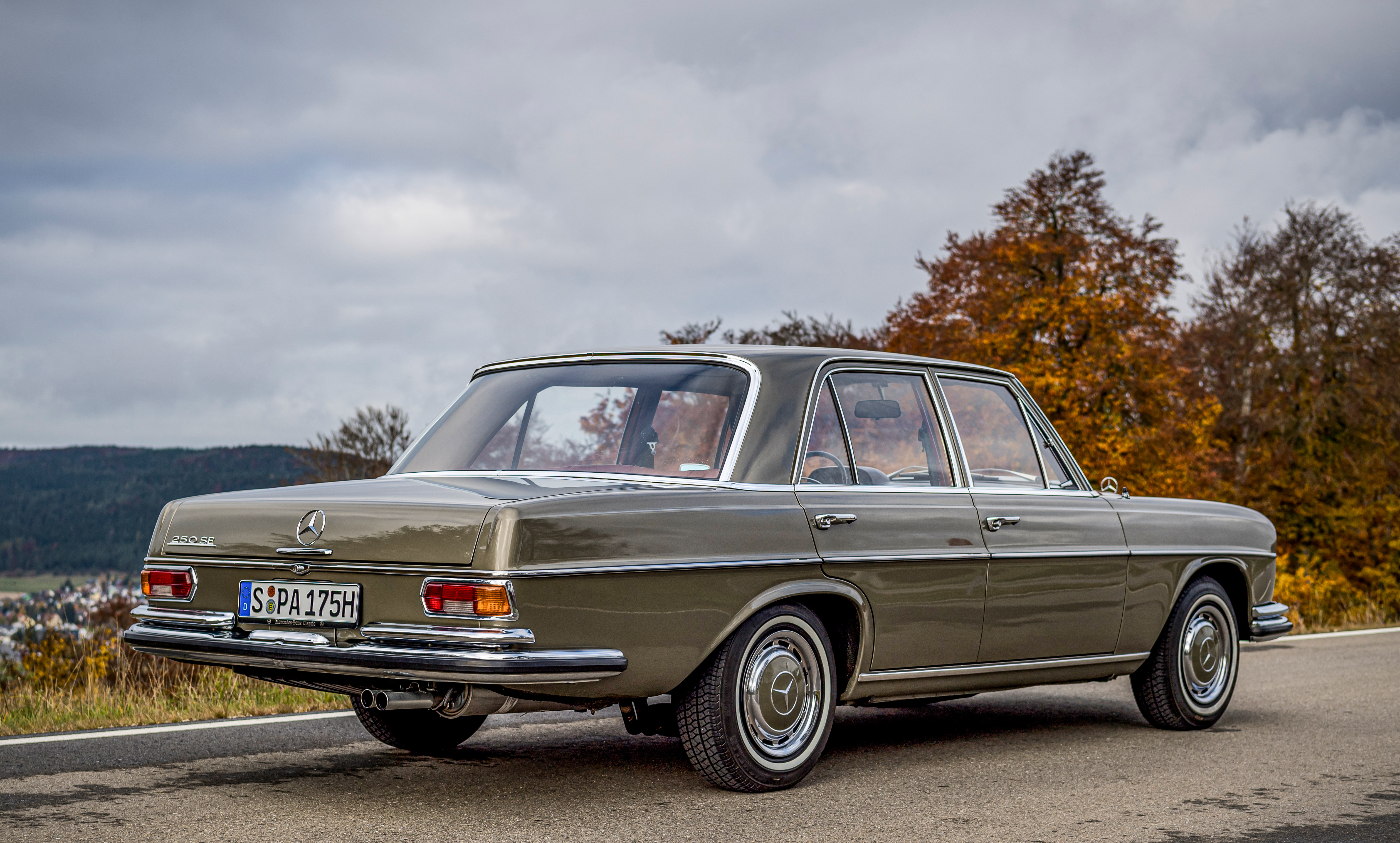
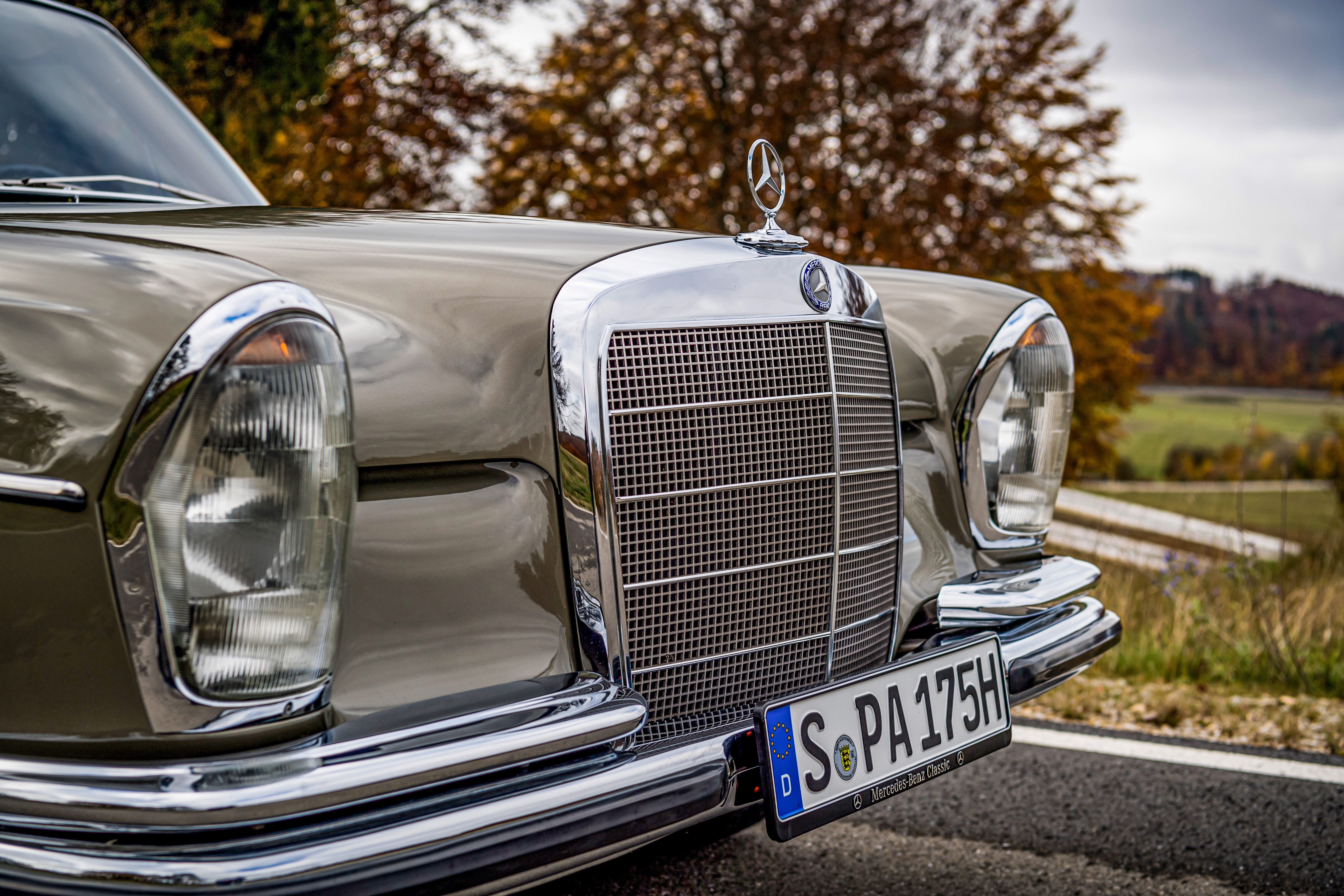
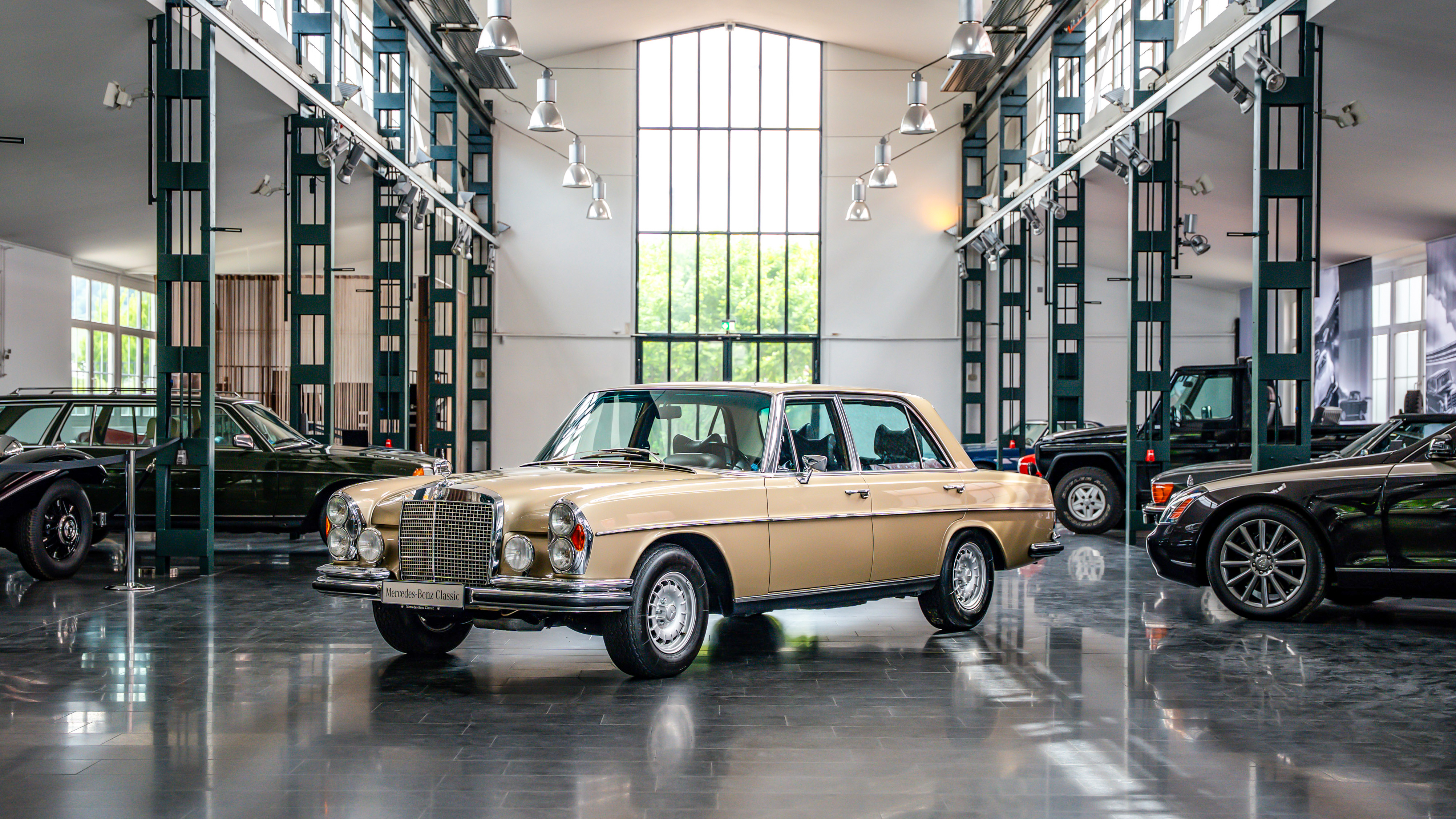
Gone was the baroque formality of the fin-tailed sedans. In its place stood a car designed by Paul Bracq that looked like it had studied the Bauhaus before it studied the wind tunnel. Straight lines, a low roofline, glassy openness, and that squared-off grille: the effect was not ostentation but confidence. These were cars that didn’t need to shout. They knew exactly what they were.
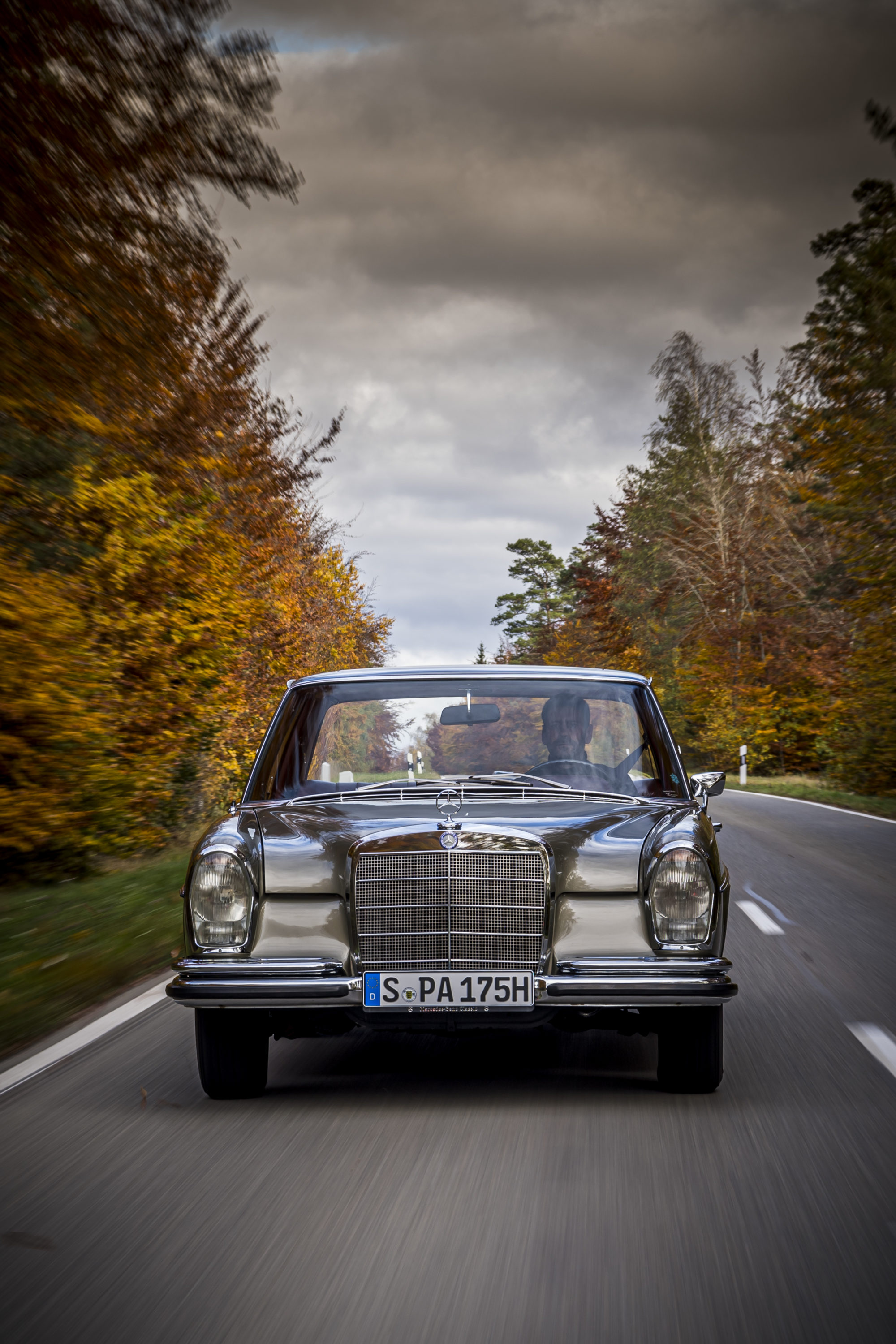
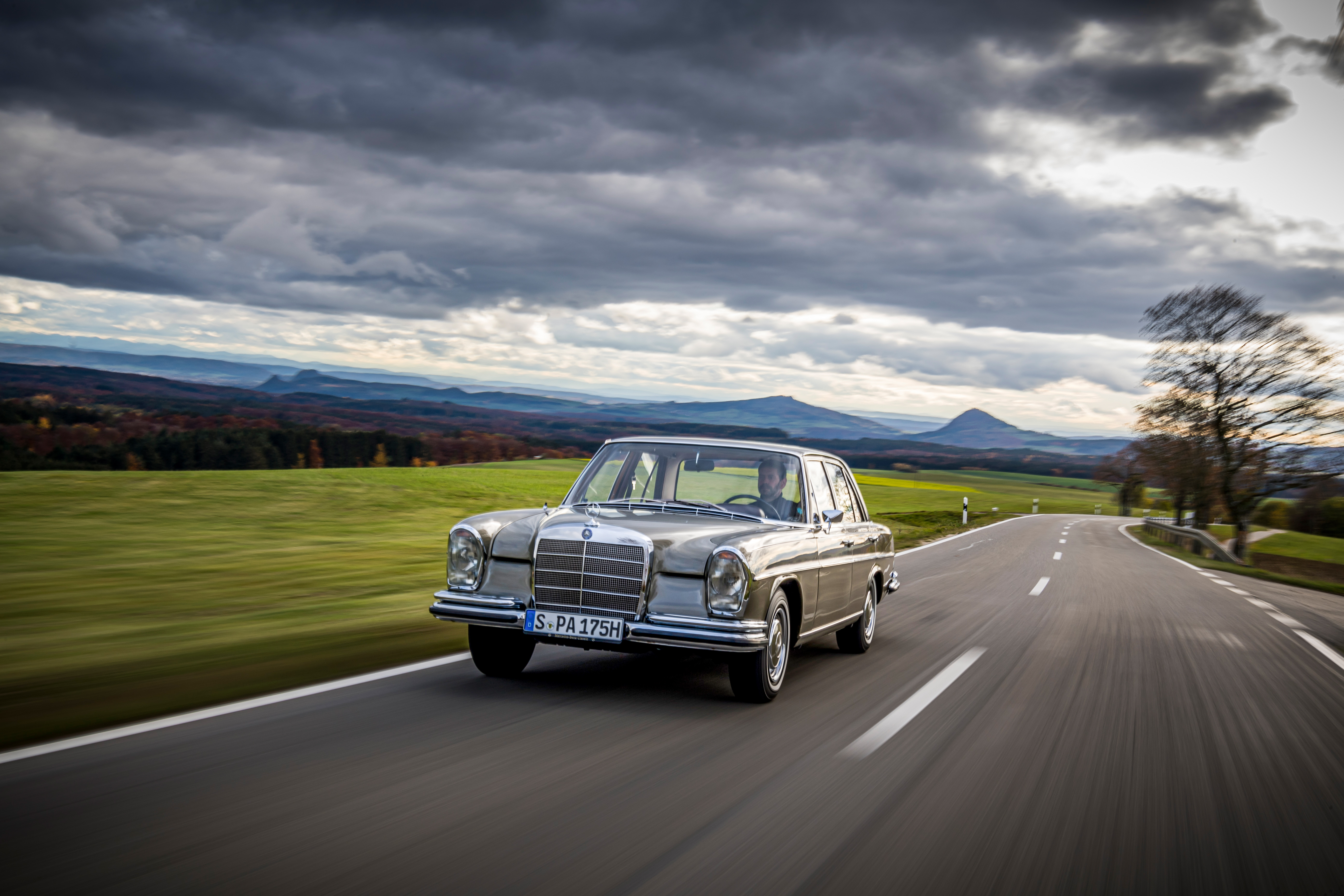
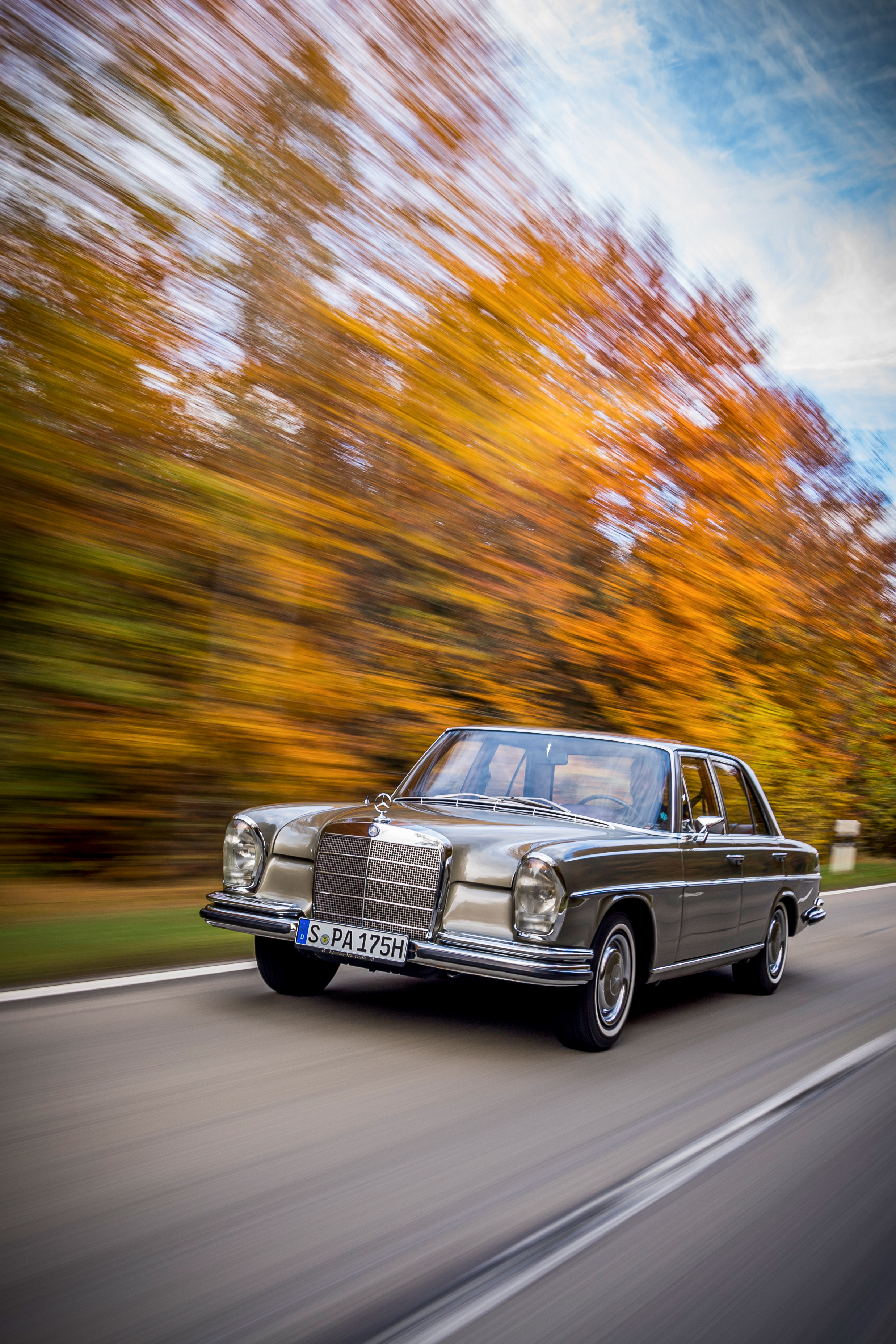
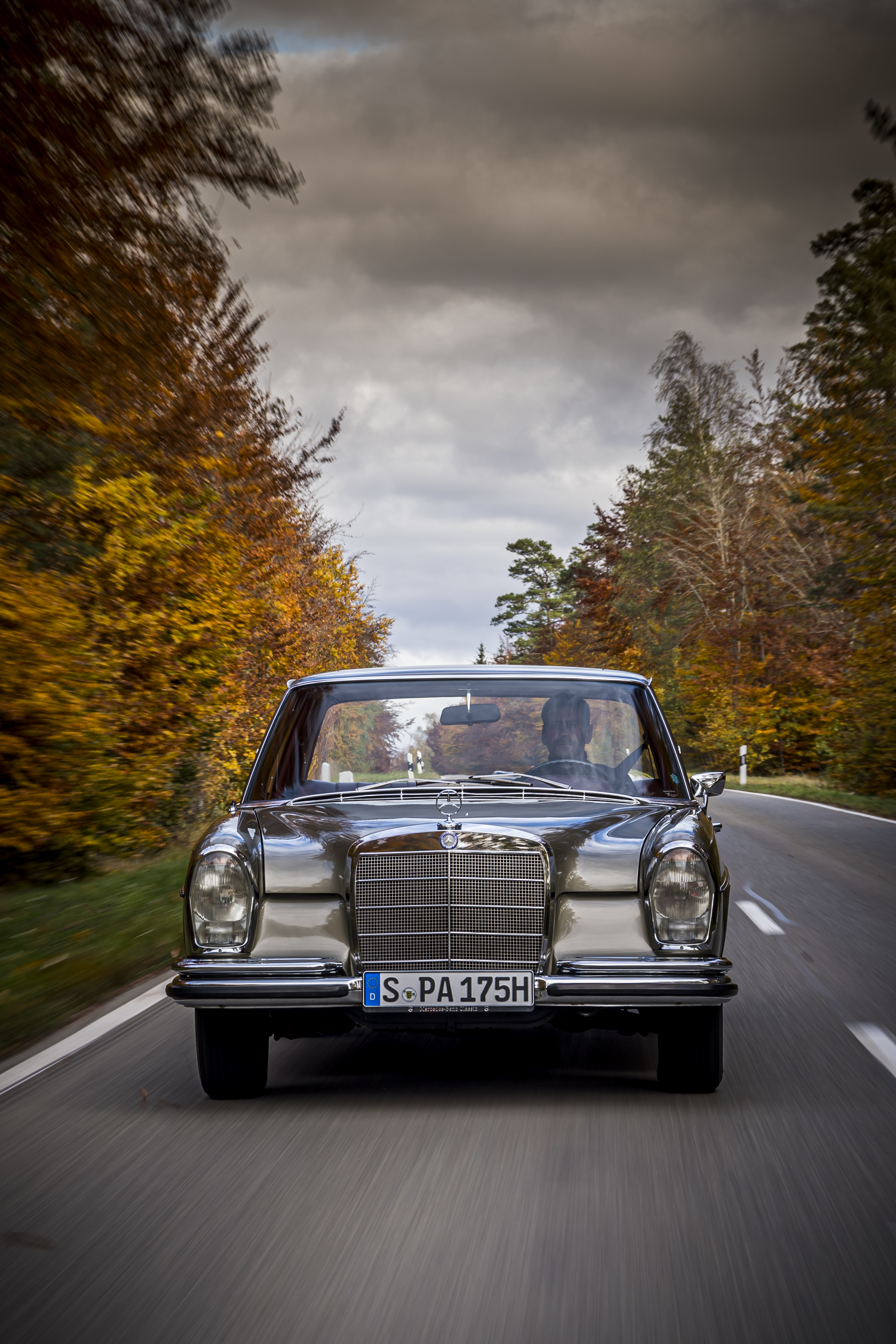
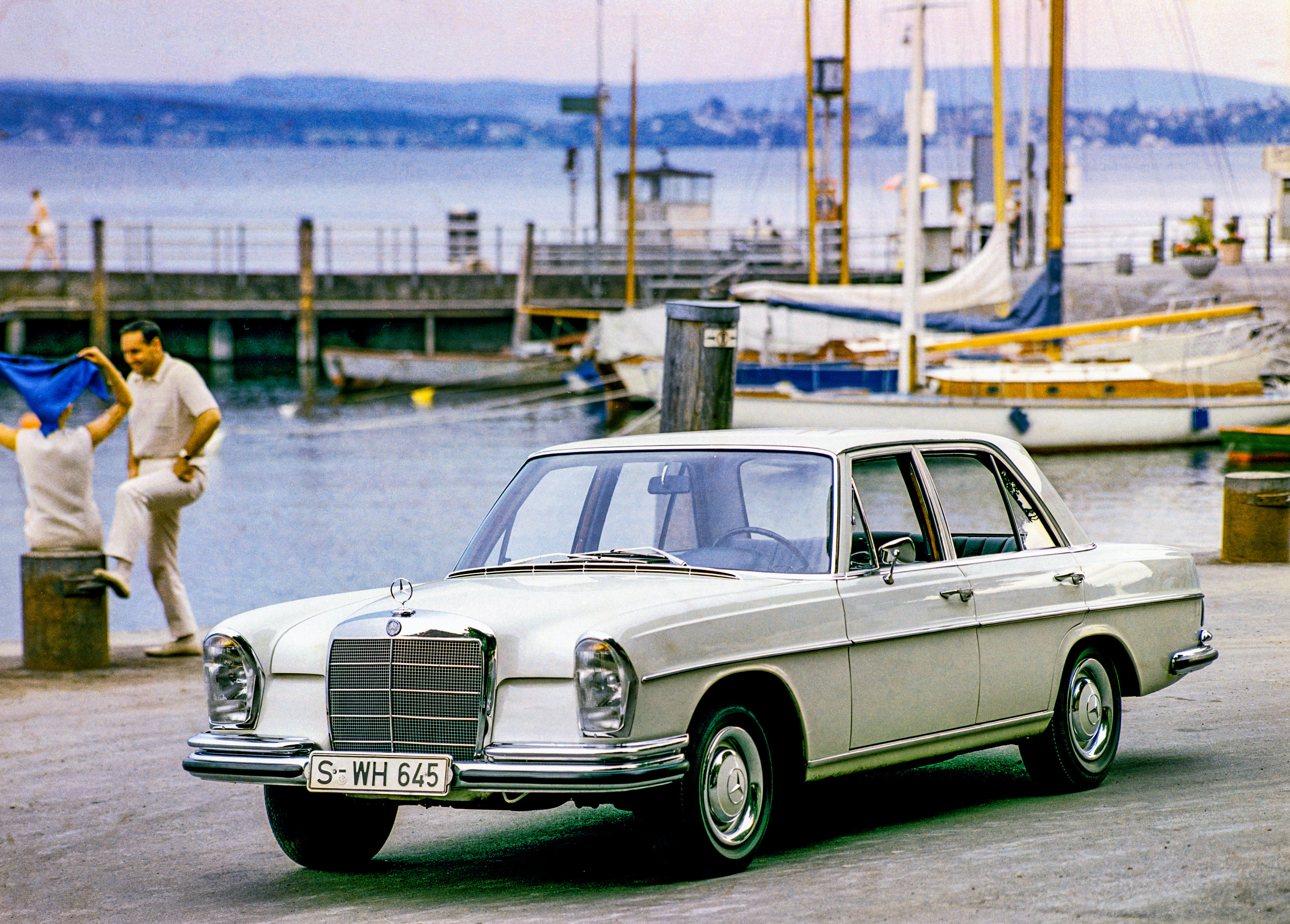
Mercedes-Benz 250 SE of the 108 model series. Driving shot from the left from the year 2020. (Photo index number in the Mercedes-Benz Classic Archive: D694947)
Luxury, Minus the Lace
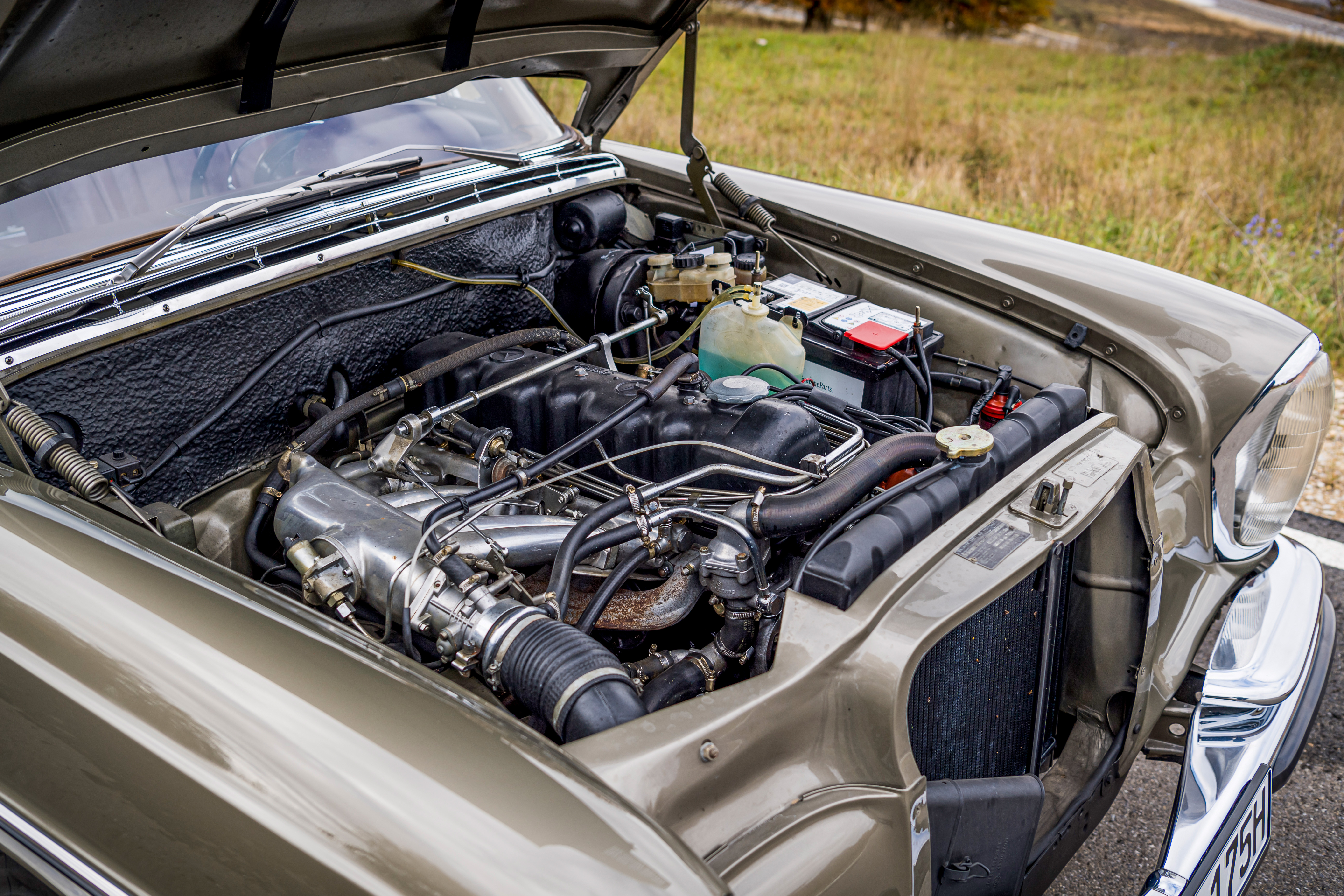
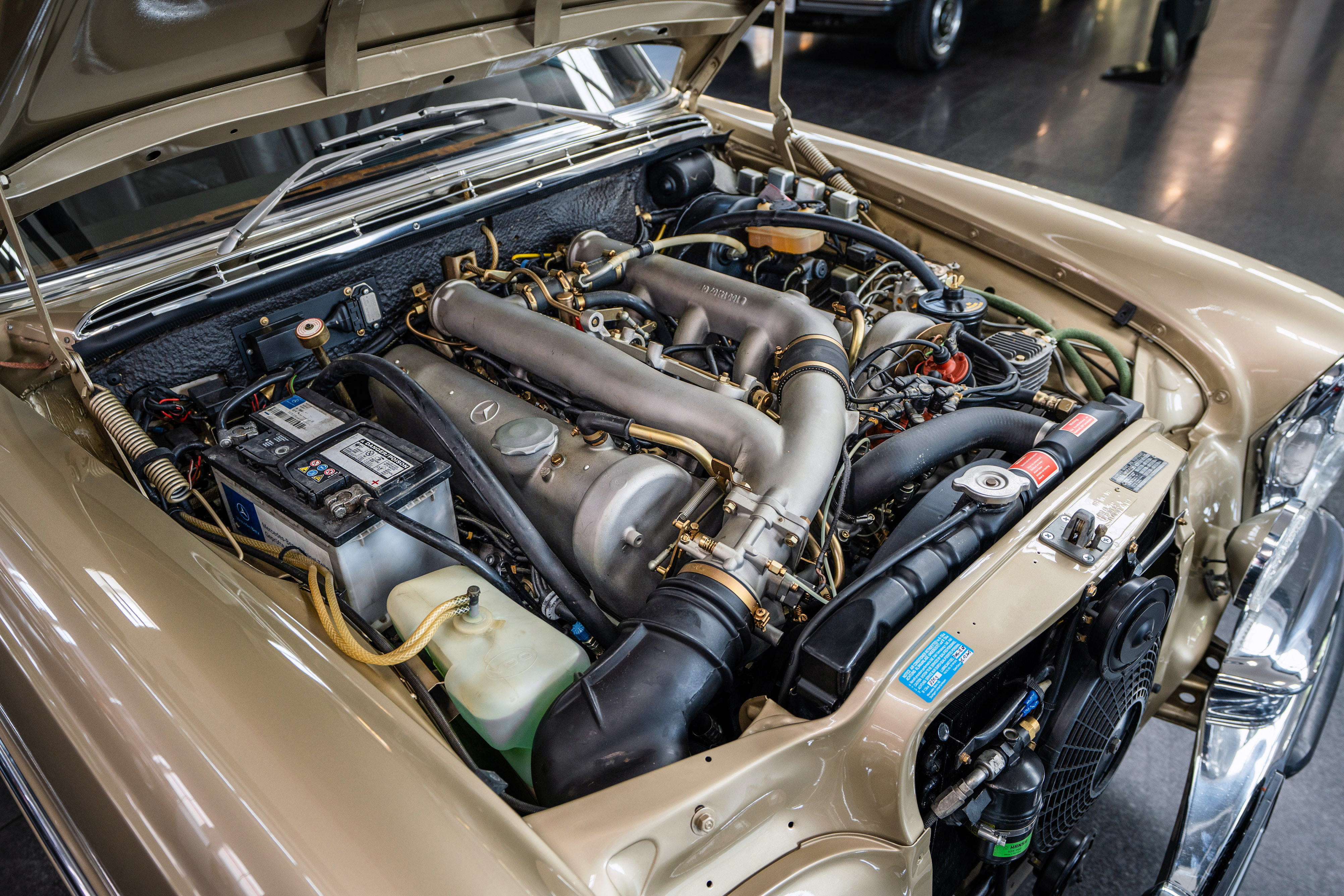
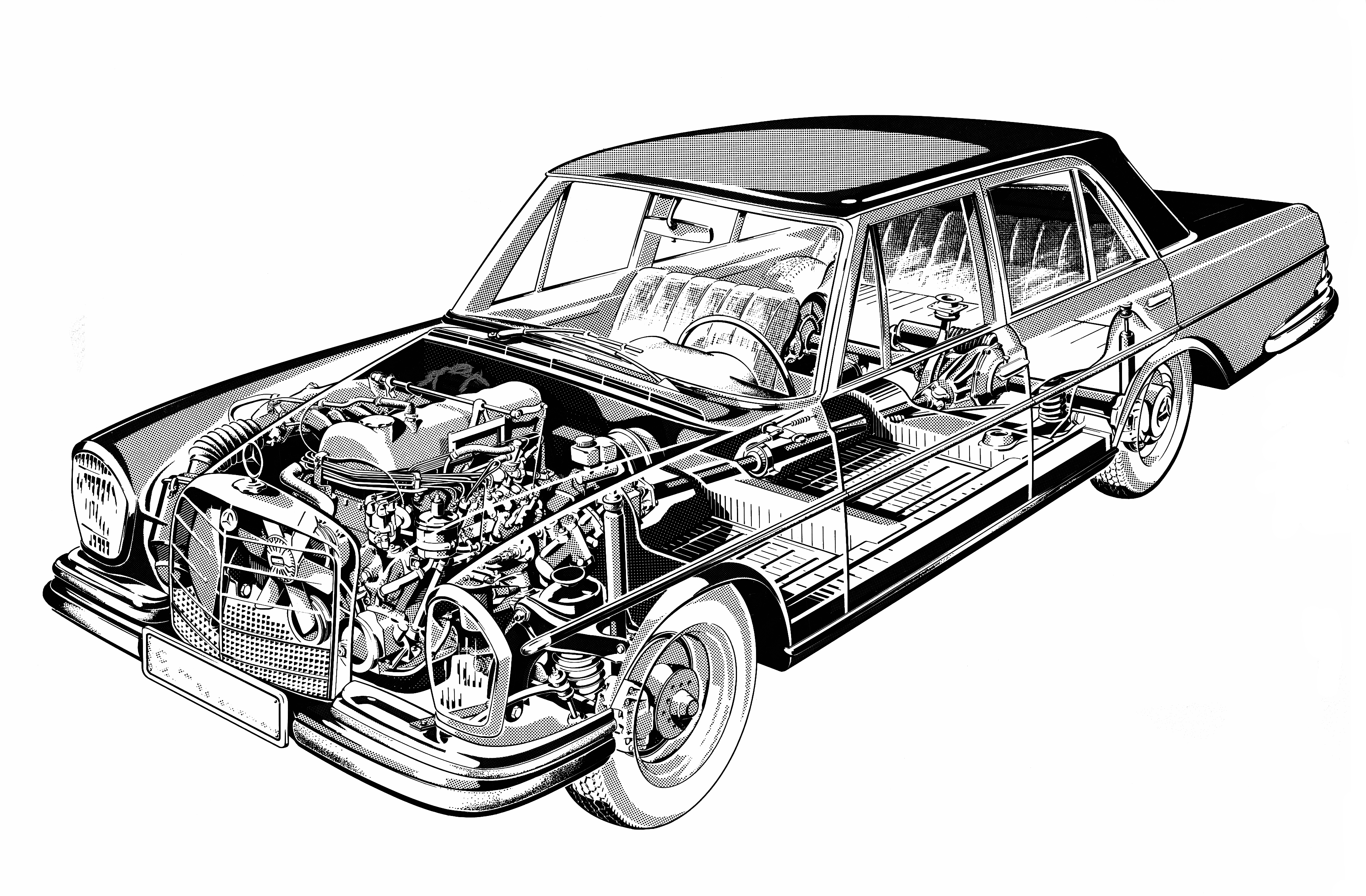
The 108 and 109 weren’t just beautiful; they were disciplined. Disc brakes all around, a rear compensating spring to keep things level under heavy loads, six-cylinder engines that were smooth if not yet transcendent. Then came the revolution. In 1969 Mercedes introduced the 300 SEL 3.5, its first large-scale V8 with Bosch’s D-Jetronic electronic fuel injection. For a company that had made its reputation on durability, this was a leap into the modern era.
And if that wasn’t enough, the 300 SEL 6.3 arrived, an unassuming executive sedan powered by the same V8 that propelled the stately Mercedes 600 limousine beloved by heads of state and Bond villains. It was a wolf in an impeccably tailored suit, capable of humiliating sports cars while still delivering diplomats to their appointments without wrinkling a trouser leg. It sold more than six thousand units, not bad for something that practically invented the category of the “power saloon.”
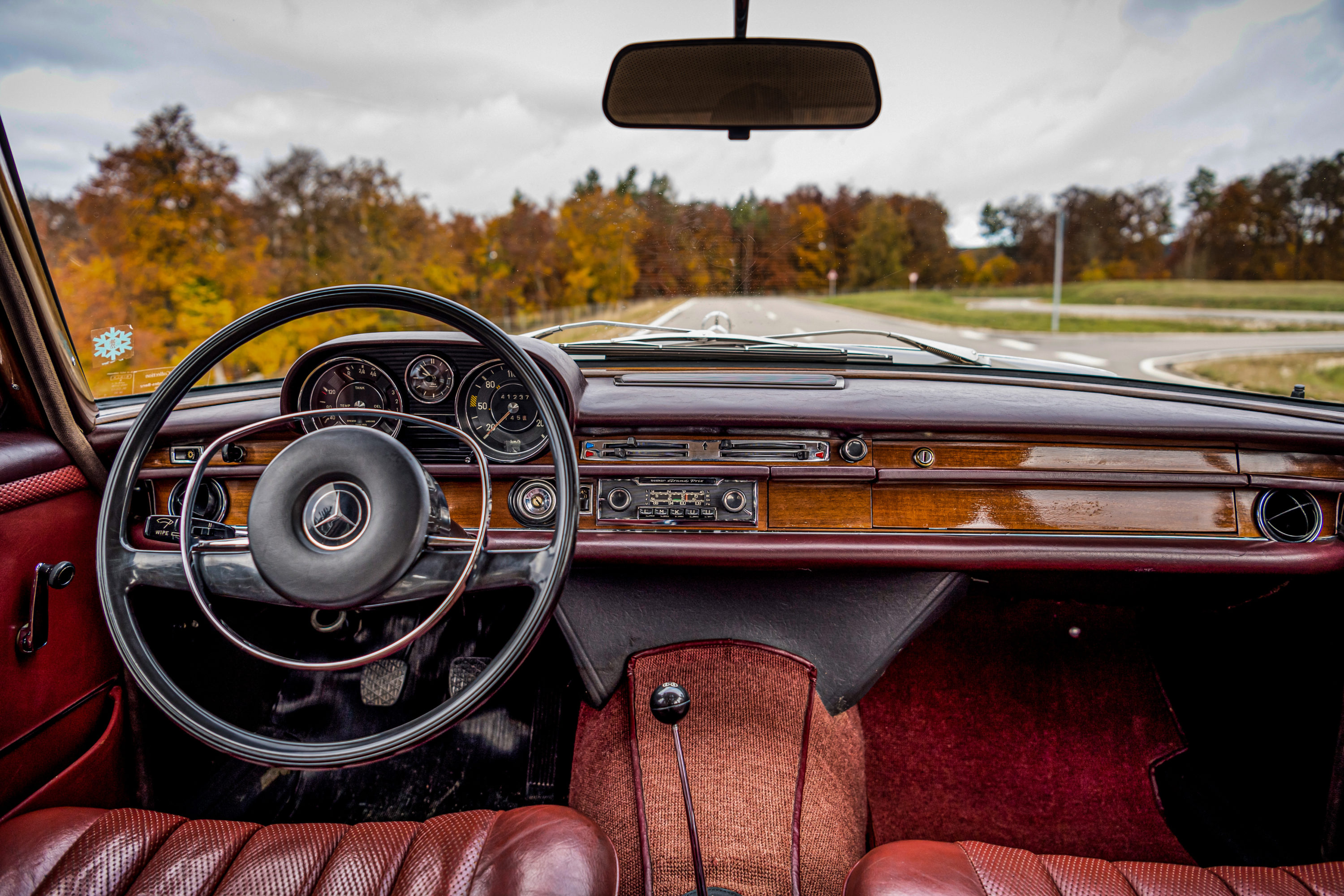
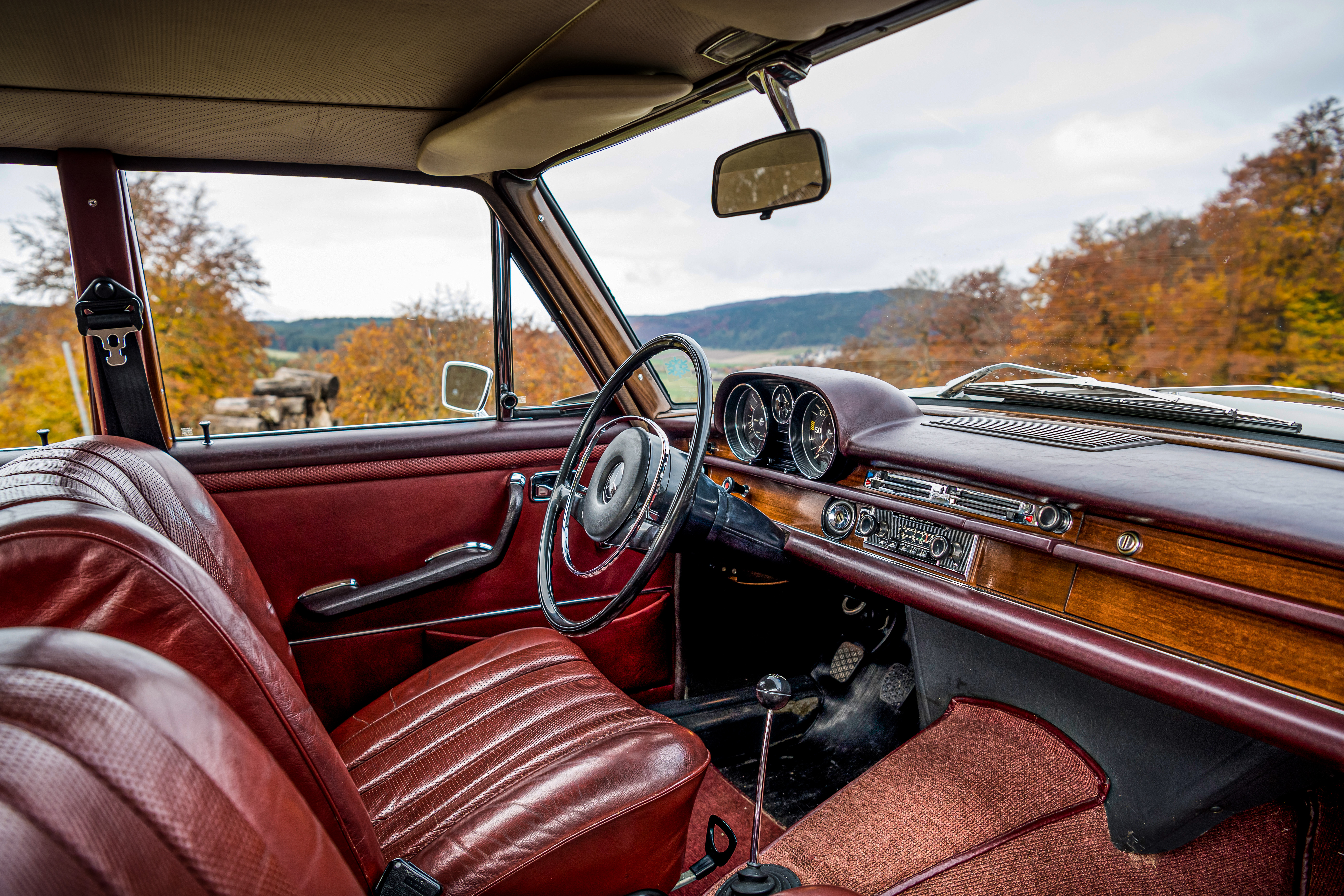
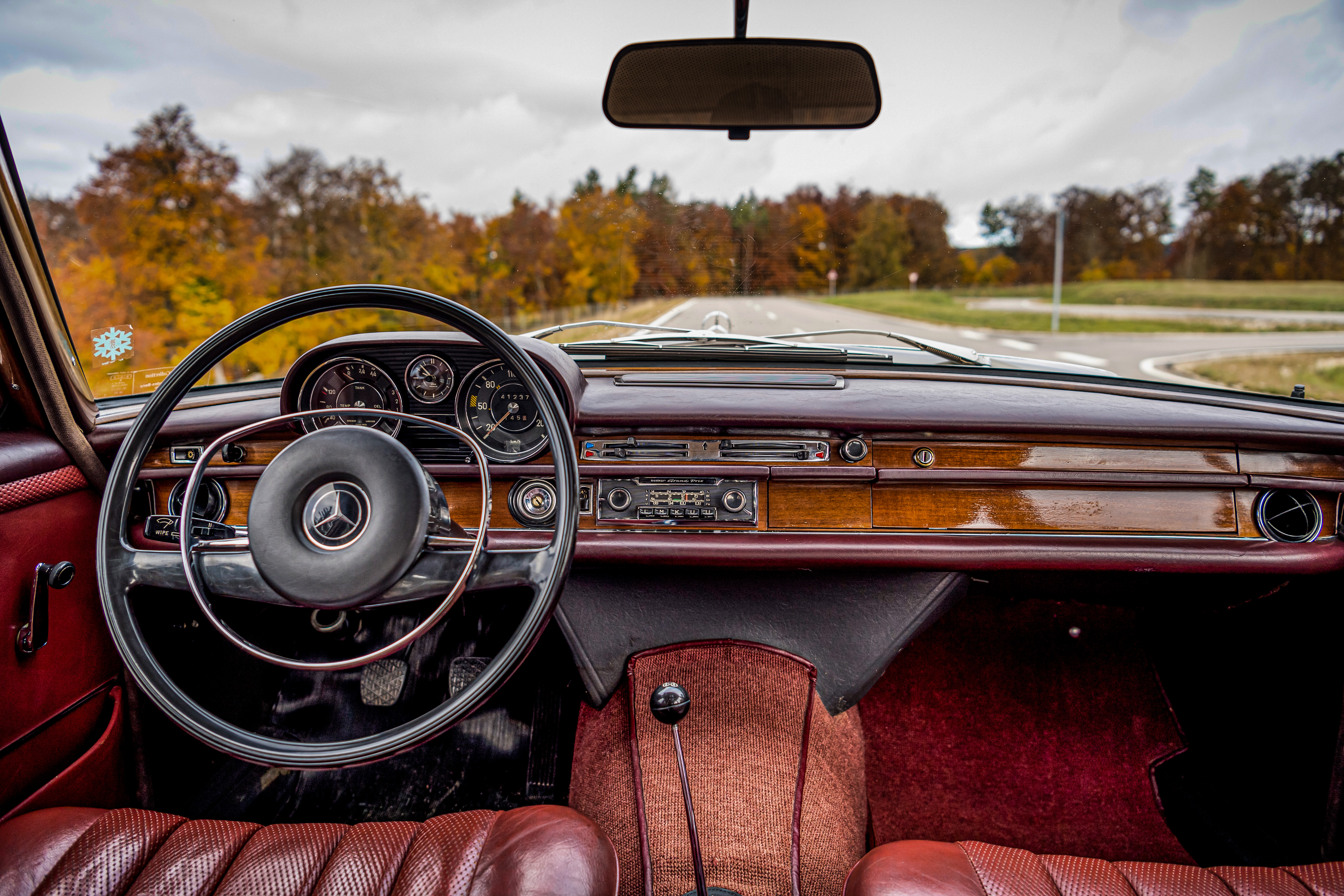
Mercedes-Benz 250 SE of the 108 model series. Close-up shot of the cockpit from the year 2020. (Photo index number in the Mercedes-Benz Classic Archive: D694920)
Setting the Table for the S-Class
Between 1965 and 1972, Mercedes sold more than 382,000 of the 108/109 series. That figure alone made them the best-selling luxury sedans of their era, but their real importance lies in genealogy. These cars were the immediate precursors to the S-Class, a name that has since become shorthand for the very idea of luxury on four wheels. Every flagship Mercedes since, the hushed W116 of the seventies, the gadget-laden W140 of the nineties, today’s high-tech W223, can trace its DNA back to Bracq’s clean lines and the engineers’ insistence on safety and refinement.
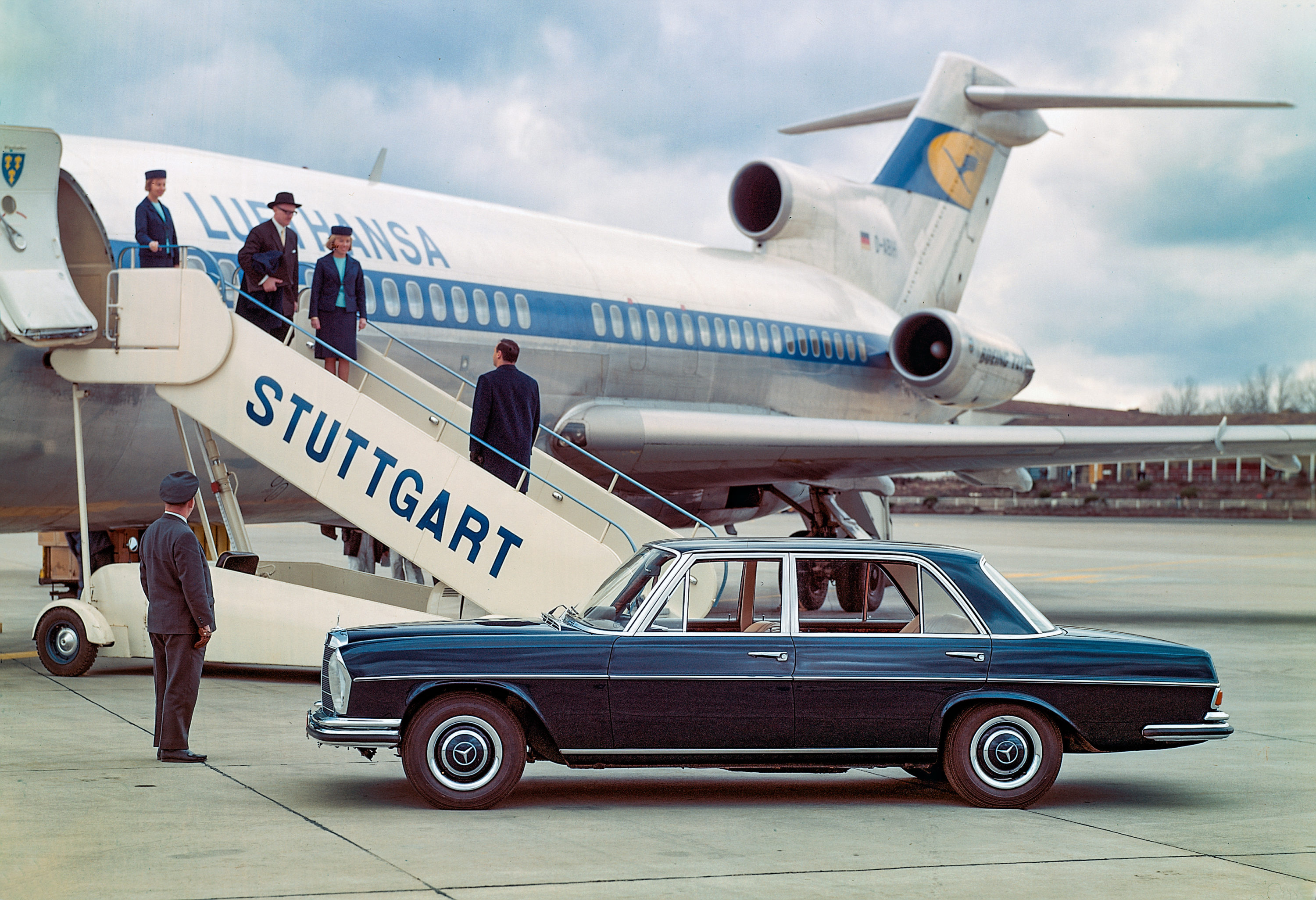
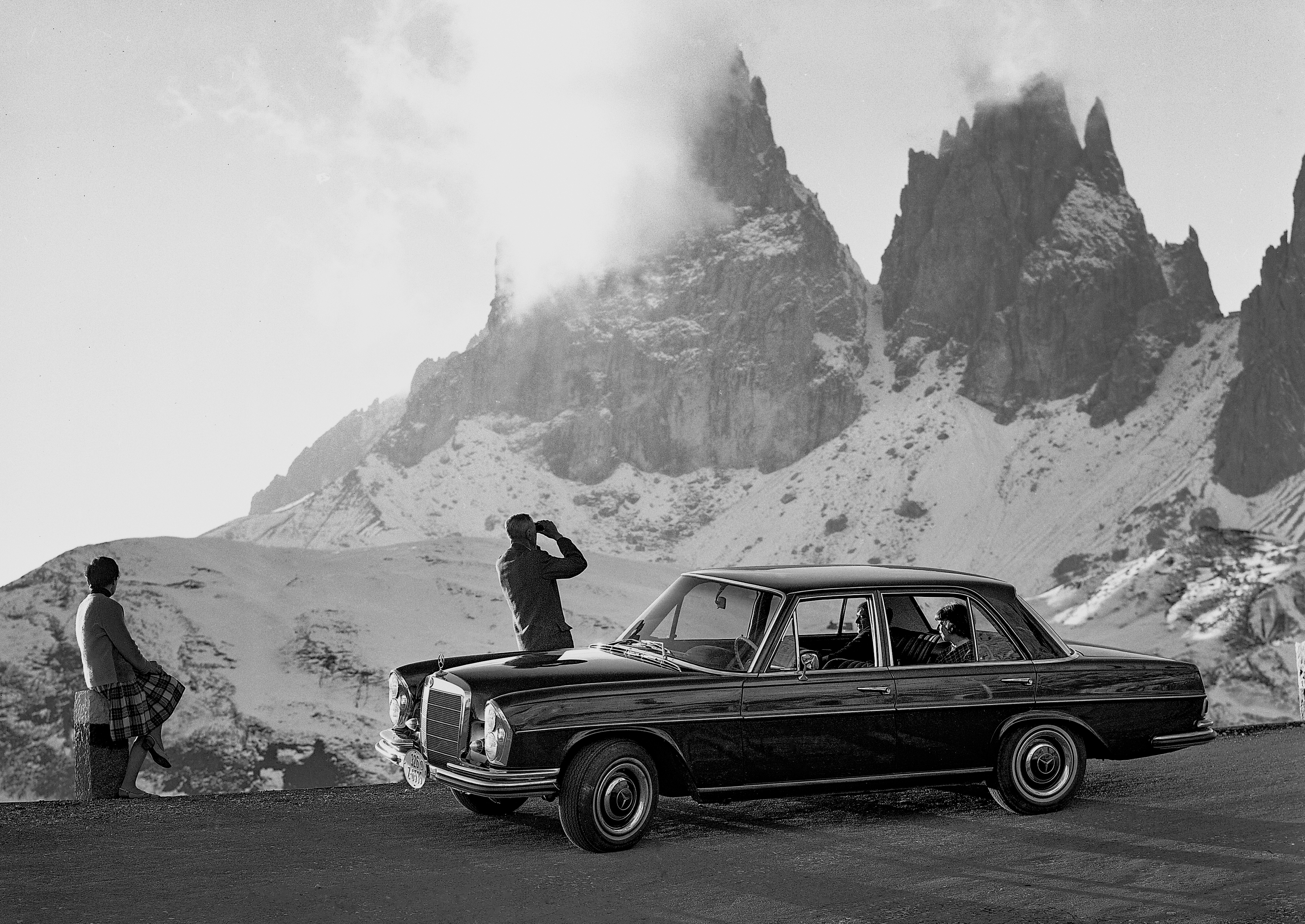
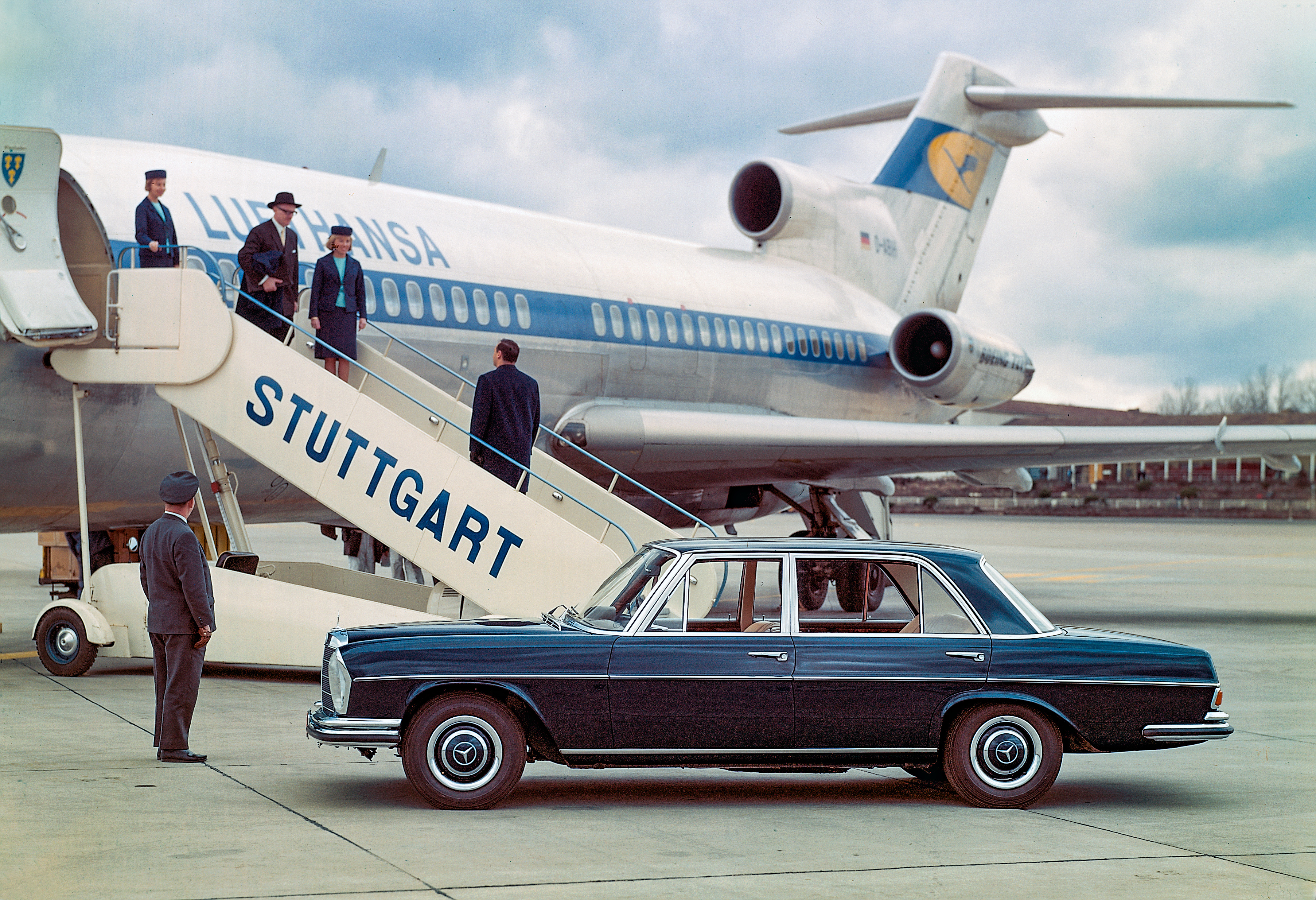
Mercedes-Benz 300 SEL of the 109 model series. Contemporary genre shot at the airport. (Photo index number in the Mercedes-Benz Classic Archive: 1999DIG1269)
Classics With Staying Power
The survival rate is remarkable. You still see 108s and 109s on the road, not just at concours lawns but in the hands of enthusiasts who actually drive them. Part of that is due to Mercedes-Benz itself, which continues to supply over 2,100 genuine parts for the series, including everything from camshafts to windscreens. (You can even choose between heat-insulated green glass or the more austere clear variety, a level of choice not often extended to modern buyers.)
And like all cars that were once attainable but now seem imbued with aura, values are climbing. A tidy 280 SE 3.5 is north of €30,000. The legendary 6.3, if in top condition, commands more than €90,000, proof that cultural capital, like compound interest, grows with time.
Why It Still Matters
What made the 108 and 109 remarkable is not just that they were successful, or that they inaugurated Mercedes’ love affair with the V8. It’s that they distilled an era. The sixties were loud, sometimes gaudy, often chaotic, but Mercedes-Benz responded with restraint. These cars were quiet revolutions: modern without being trendy, luxurious without being vulgar, powerful without seeming insecure.
Nearly sixty years later, they still look fresh. And that is the mark of true design, cars that carry themselves with the same poise as a well-cut suit, even as fashion shifts around them.